American Airlines has built one of the world’s most diverse route networks, stretching from short domestic sectors to some of aviation’s most demanding ultra-long-haul operations. In 2026, the carrier operates several nonstop services exceeding 14 hours, with its longest journey reaching an impressive 17 hours. These marathon routes showcase how modern aircraft, evolving geopolitics, and growing demand for nonstop travel continue to reshape long-haul aviation.
As one of the United States’ “Big Three” carriers and a founding member of the oneworld alliance, American Airlines relies heavily on its Boeing widebody fleet to connect North America with Asia, Australia, and India. Scheduling data reveals nine routes with maximum block times exceeding 14 hours between June and December 2026, demonstrating the airline’s commitment to maintaining a global footprint despite operational challenges and changing airspace restrictions.
The majority of these ultra-long sectors cross the Pacific Ocean, linking key American hubs with major cities in East Asia and Oceania. However, one route stands apart, stretching between India and the United States while being significantly affected by ongoing restrictions over Russian airspace. The resulting detours have transformed an already lengthy service into the carrier’s longest flight.
American Airlines’ most time-consuming route connects New Delhi’s Indira Gandhi International Airport with New York John F. Kennedy International Airport. When the service launched in 2021, the return sector was scheduled for approximately 16 hours and 39 minutes. In 2026, however, geopolitical realities have forced aircraft to avoid Russian airspace, requiring a longer routing and pushing the maximum block time to an extraordinary 17 hours.
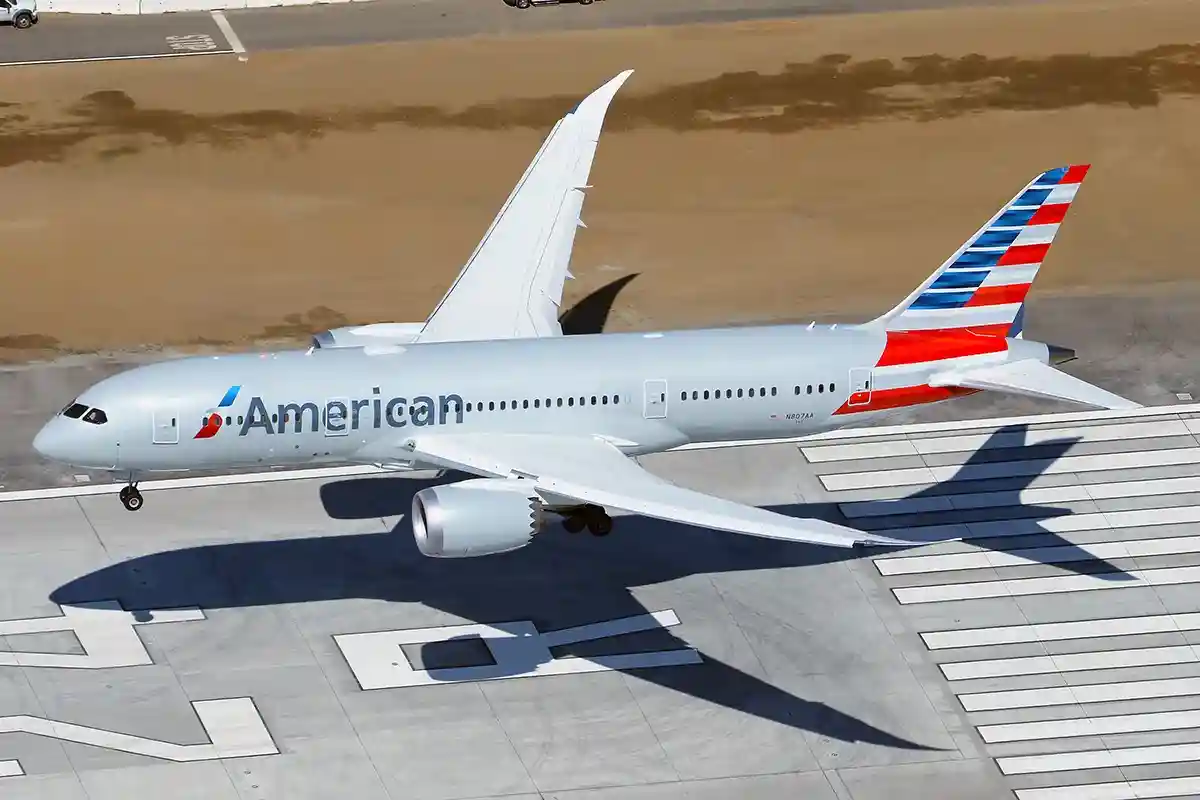
The route operates daily with the Boeing 787-9 Dreamliner, one of the airline’s most versatile long-haul aircraft. Configured with 285 seats across three cabins, the aircraft offers the range and efficiency necessary to sustain such demanding operations. The New Delhi service also complements American Airlines’ partnerships across South Asia, allowing the carrier to strengthen its position in the growing India-US travel market.
Dallas/Fort Worth Emerges as the Carrier’s Ultra-Long-Haul Gateway
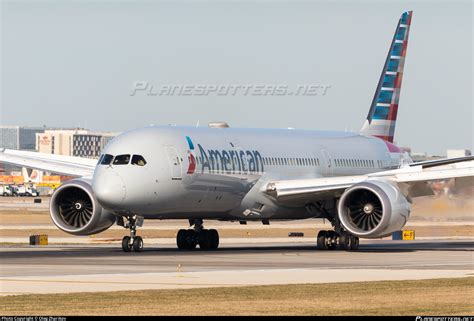
Dallas/Fort Worth International Airport serves as the center of American Airlines’ long-haul ambitions. Six of the airline’s longest routes originate from its Texas megahub, reinforcing DFW’s role as one of the world’s most important connecting airports. These services primarily target Asia and Australia, requiring aircraft capable of enduring flights lasting more than fifteen hours.
Among them, the route between Dallas/Fort Worth and Brisbane represents the hub’s longest operation. The westbound journey can take as long as 16 hours and 40 minutes, placing it among the most demanding flights in the carrier’s entire network. The Boeing 787-9 Dreamliner handles this service, combining fuel efficiency with passenger comfort on these marathon sectors.
Shanghai Pudong ranks among the next longest destinations from Dallas, with block times approaching 15 hours and 50 minutes. Auckland and Seoul follow closely behind, both reaching approximately 15 hours and 40 minutes depending on winds and seasonal conditions. While Shanghai and Auckland primarily utilize Boeing 787 aircraft, Seoul receives a mixture of Boeing 777s and 787s, allowing flexibility based on demand.
Tokyo remains one of American Airlines’ most important Asian markets. Services from Dallas/Fort Worth to Narita Airport require up to 14 hours and 10 minutes, while flights to Haneda Airport can last roughly 14 hours and 5 minutes. Narita operations are conducted exclusively with Boeing 777 aircraft, whereas Haneda receives both Boeing 777s and Boeing 787s.
Los Angeles and New York Continue Supporting Premium Long-Haul Markets
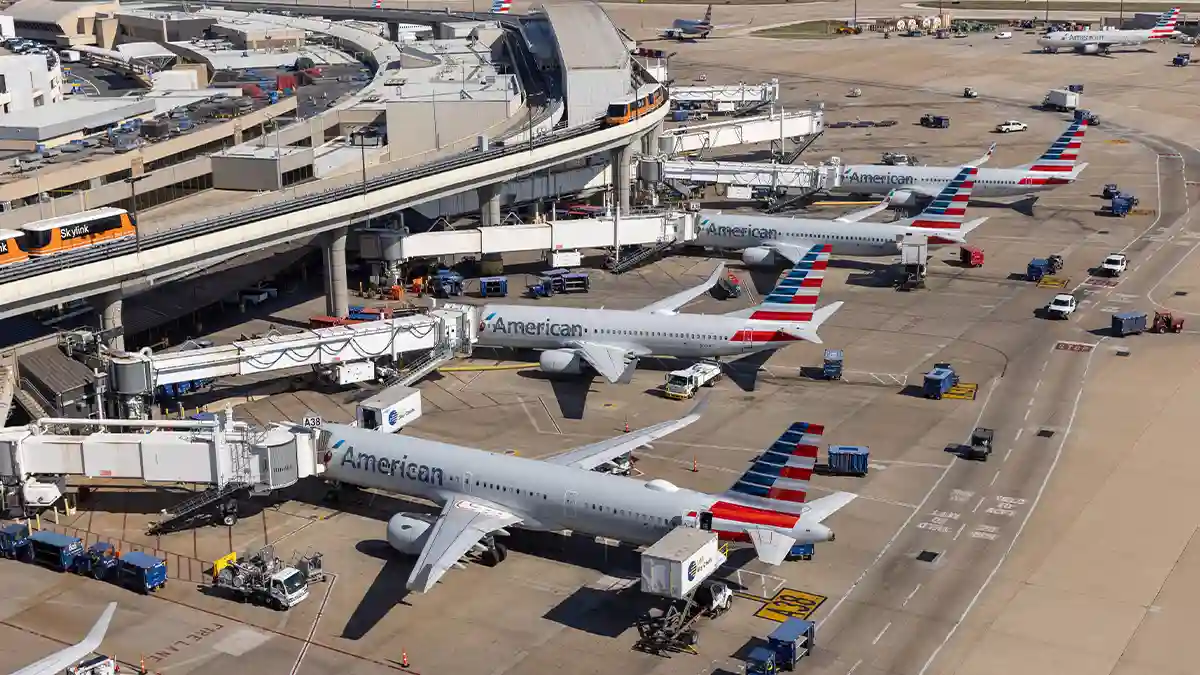
Although Dallas dominates the airline’s ultra-long-haul network, other hubs also host important marathon flights. Los Angeles International Airport maintains a strong connection with Australia through nonstop service to Sydney Kingsford Smith Airport. The westbound journey reaches approximately 15 hours and 25 minutes, making it the sixth-longest route in the network.
Unlike many other routes that rely on the 787 Dreamliner, the Los Angeles-Sydney corridor is operated with the Boeing 777-300ER. This aircraft provides increased capacity and premium seating options, reflecting the strong mix of leisure travelers, corporate passengers, and international connections passing through Southern California.
New York’s John F. Kennedy International Airport also maintains an important position within the carrier’s global strategy. Beyond the New Delhi route, the airport supports daily nonstop flights to Tokyo Haneda. These westbound services can last up to 14 hours and 45 minutes, with the Boeing 787-9 Dreamliner serving as the primary aircraft.
Aircraft Technology Makes 17-Hour Flights Possible
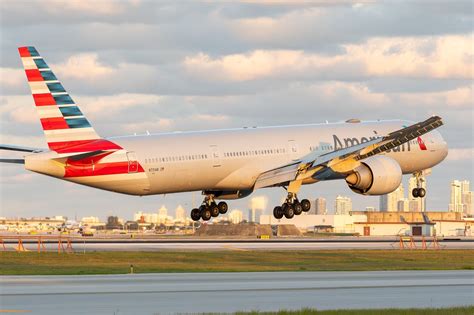
Modern long-haul operations depend heavily on advanced aircraft. American Airlines’ fleet of Boeing 787 Dreamliners and Boeing 777 widebodies enables the carrier to maintain routes that would have been economically challenging only two decades ago. Improved fuel efficiency, reduced maintenance requirements, and enhanced passenger comfort have made ultra-long-haul flying increasingly viable.
The Dreamliner, in particular, has become the backbone of American’s longest routes. Its composite construction, lower cabin altitude, and increased humidity levels help reduce passenger fatigue during flights approaching seventeen hours. These technological advantages also allow airlines to bypass intermediate stops, saving time while improving operational efficiency.
American Airlines’ Longest Nonstop Routes in 2026
The airline’s ultra-long-haul network highlights the growing importance of direct international connectivity. From India and Japan to Australia and South Korea, American Airlines continues to deploy its most capable aircraft on routes that connect continents without interruption. While geopolitical events and changing airspace restrictions influence block times, the carrier’s commitment to long-range flying remains evident.
As passenger preferences increasingly favor nonstop travel, American Airlines’ 17-hour operations demonstrate how technology and network strategy are pushing the boundaries of commercial aviation. What once seemed impossible has become routine, allowing travelers to cross oceans and continents in a single flight while reinforcing the airline’s presence across some of the world’s most competitive international markets.