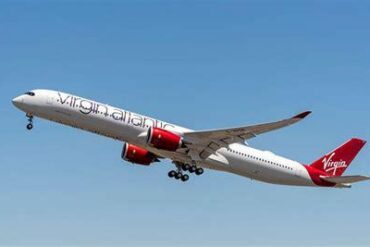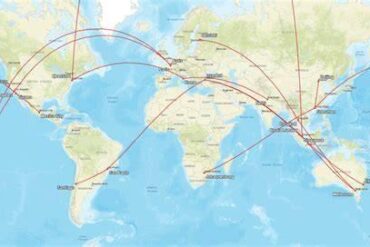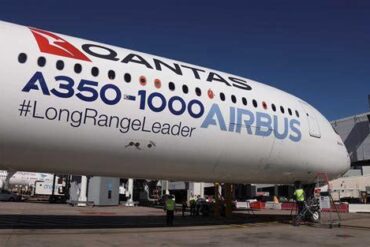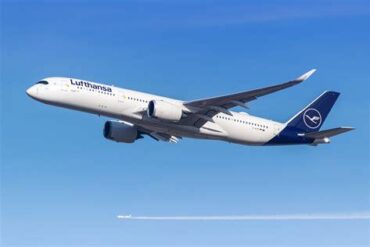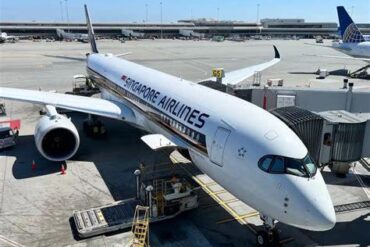
The race to conquer distance without compromise has reached a remarkable new frontier. In 2026, ultra-long-haul travel is no longer a novelty—it is a defining pillar of global aviation strategy. At the center of this transformation stands the Airbus A350, a technologically advanced aircraft engineered to stretch the limits of endurance, efficiency, and passenger comfort. Capable of connecting continents in a single bound, the A350 is reshaping how travelers perceive distance, time, and the very experience of flight.
What makes these routes extraordinary is not just their duration, but the precision behind them. Airlines are no longer simply flying farther—they are optimizing cabin layouts, fuel loads, and flight paths to unlock routes once considered commercially unviable. The result is a curated network of flights that exceed 17 hours and, in some cases, push beyond the 19-hour threshold.
Breaking the 19-Hour Barrier: New York to Singapore Dominance
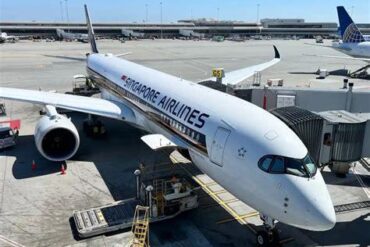
At the pinnacle of ultra-long-haul aviation sits the uninterrupted connection between New York and Singapore. These flights, operating from both JFK and Newark, represent the longest commercial routes in the world, each exceeding 19 hours gate-to-gate. Designed specifically for these missions, the Airbus A350-900ULR (Ultra Long Range) transforms endurance flying into a refined experience.
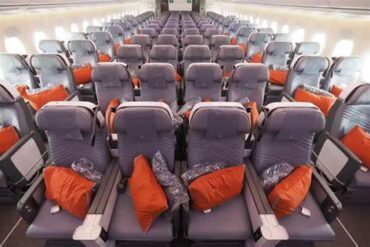
Unlike traditional long-haul configurations, these aircraft prioritize space and comfort over capacity. With significantly fewer seats—focused heavily on premium cabins—the onboard environment feels less crowded, more controlled, and deliberately tailored for long-duration travel. Every design choice, from cabin pressure to lighting cycles, is engineered to combat fatigue and jet lag.
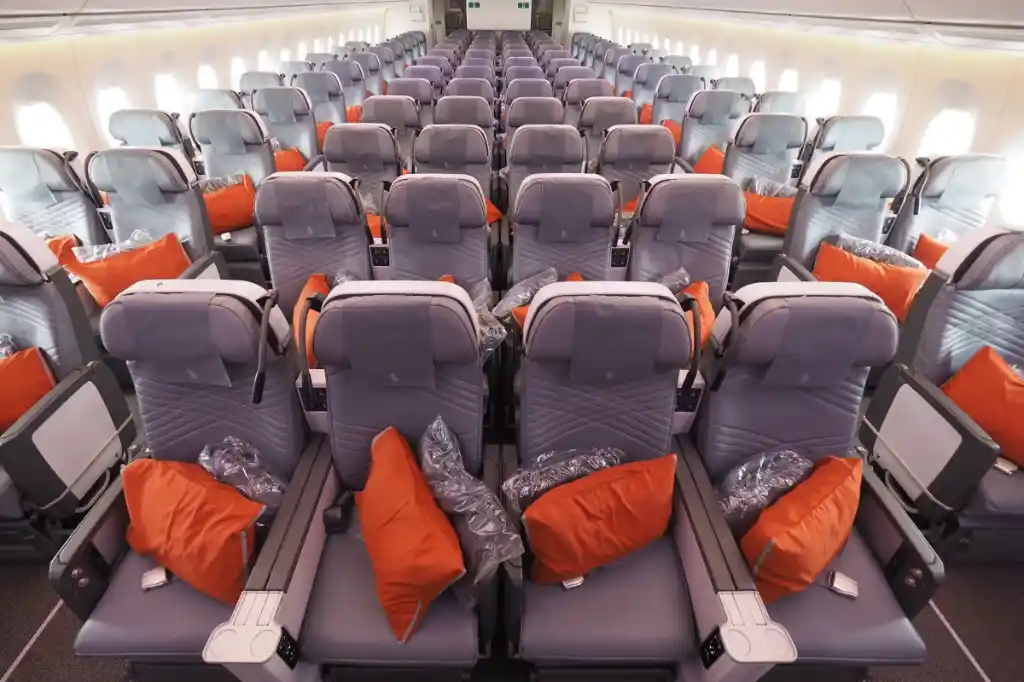
The significance of these routes extends beyond passenger convenience. They eliminate layovers, reduce total travel time, and create seamless connections between major financial hubs. For business travelers and high-value passengers, this is not just a flight—it is a strategic advantage.
The 17-Hour Club: Where Endurance Meets Efficiency
While 19-hour flights capture headlines, the 17-hour range is where the A350 truly proves its versatility. These routes strike a balance between operational feasibility and passenger demand, forming the backbone of long-haul global connectivity.
Flights linking Los Angeles and Singapore approach 18 hours, showcasing how West Coast America is increasingly tied directly to Southeast Asia. Meanwhile, connections between Doha and San Francisco highlight the A350-1000’s ability to handle high-demand, ultra-long routes with remarkable efficiency. Even amid geopolitical disruptions, these routes demonstrate resilience, adapting flight paths while maintaining viability.
What distinguishes this category is frequency. Unlike the ultra-exclusive 19-hour routes, many of these flights operate multiple times per week—or even daily—indicating strong and sustained demand. Airlines are no longer testing these routes; they are embedding them into their core networks.
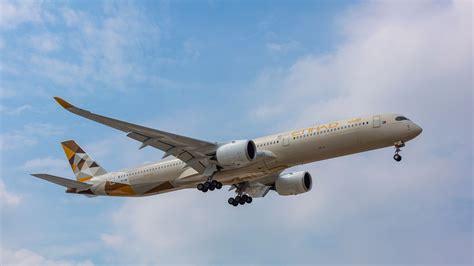
San Francisco to Singapore, another standout, reinforces the dominance of Southeast Asia as a global aviation hub. The consistent demand for these routes underscores a broader shift: travelers increasingly favor direct, time-saving journeys over traditional hub-and-spoke connections.
Strategic Reach: Middle East and Transpacific Power Routes
The Middle East plays a crucial role in long-haul aviation strategy, and the A350 is central to that expansion. Routes from Doha to Dallas/Fort Worth and San Francisco exemplify how Gulf carriers leverage geography to connect distant markets efficiently.
These flights, often exceeding 17 hours, are not merely long—they are strategically positioned. By linking North America with the Middle East and beyond, they enable seamless access to Africa, Asia, and Europe through a single hub. The A350’s extended range and fuel efficiency make these connections economically viable, even under fluctuating global conditions.
Operational flexibility is another defining feature. Airlines can scale frequency up or down based on demand while maintaining route integrity. Even when temporary suspensions occur, these routes are rarely abandoned—they are simply recalibrated.
India’s Ultra-Long-Haul Ambitions Take Flight
India’s emergence in the ultra-long-haul segment marks a significant shift in global aviation dynamics. Nonstop routes connecting Delhi with New York and Newark signal a bold move toward direct international connectivity, reducing reliance on intermediate hubs.
These flights, clocking in at over 17 hours, demonstrate how the A350 enables new market opportunities. Even when external factors force temporary technical stops, the long-term vision remains clear: sustained, nonstop service between India and North America.
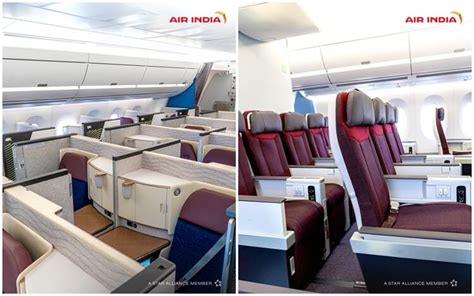
The implications are profound. For passengers, it means shorter travel times and fewer logistical hurdles. For airlines, it represents a chance to capture high-value traffic and strengthen global positioning. India is no longer just a destination—it is becoming a central node in the ultra-long-haul network.
Expanding Horizons: Asia-Pacific and Beyond
Beyond the headline routes, several emerging connections highlight the expanding reach of the A350. Flights between Dallas/Fort Worth and Hong Kong, as well as Johannesburg and Atlanta, illustrate the aircraft’s ability to connect diverse, geographically distant markets.
These routes may sit slightly lower in duration rankings, but they are no less significant. Each represents a calculated move to bridge economic centers, tourism markets, and cultural hubs. The consistency of daily or near-daily operations further emphasizes their importance within airline networks.
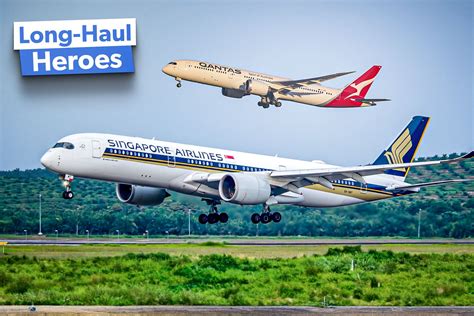
The Johannesburg–Atlanta route, in particular, stands out as a vital link between Africa and the United States. Its seasonal adjustments reflect demand patterns, yet its presence in the top tier of long-haul routes underscores its strategic value.
Engineering Excellence: Why the A350 Leads the Long-Haul Revolution
The Airbus A350’s dominance in ultra-long-haul travel is no coincidence. Built with advanced composite materials, it offers reduced weight, improved fuel efficiency, and extended range capabilities. Its engines are optimized for long-duration performance, enabling airlines to operate routes that were once beyond reach.
Cabin design is equally transformative. Higher humidity levels, lower cabin altitude, and quieter interiors significantly enhance passenger comfort. On flights exceeding 17 hours, these factors are not luxuries—they are necessities.
The aircraft’s adaptability is another key advantage. From the ultra-long-range A350-900ULR to the larger A350-1000, airlines can tailor configurations to specific route demands. This flexibility ensures that each route operates at peak efficiency, both economically and operationally.
The Future of Nonstop Travel Is Already Here
Ultra-long-haul travel is no longer an experiment—it is the future of global aviation. As airlines continue to refine their strategies and passengers increasingly prioritize time efficiency, the demand for nonstop, long-distance flights will only grow.
The Airbus A350 stands at the forefront of this evolution, enabling routes that redefine what is possible. From 19-hour journeys linking global financial capitals to emerging connections bridging continents, these flights represent more than just distance—they symbolize progress.
In 2026, the sky is not the limit. It is the pathway to a more connected, efficient, and remarkably direct world.