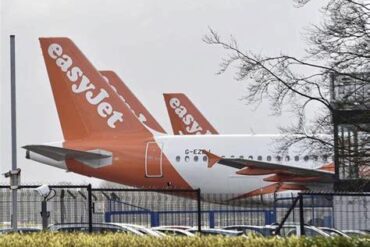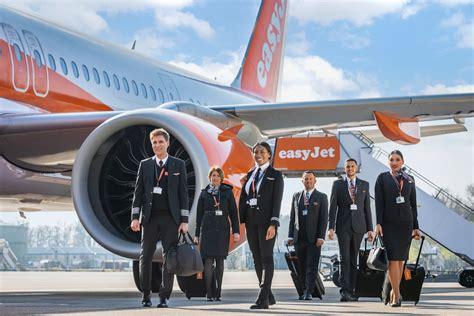
easyJet could be on the verge of a significant shift in the way it connects passengers with the wider global airline network. Following Apollo Global Management’s £5.7 billion takeover agreement, speculation has emerged that the British low-cost carrier could pursue a deeper commercial relationship with Air France-KLM, potentially through codeshare or interline agreements. The idea would give passengers access to a much broader range of long-haul destinations while allowing easyJet to preserve its core short-haul, point-to-point business model.
The possibility is particularly interesting because the two sides occupy complementary positions in the European aviation market. easyJet has a huge network of short-haul routes, while Air France-KLM operates major global hubs at Paris Charles de Gaulle Airport (CDG) and Amsterdam Schiphol Airport (AMS). A structured partnership could therefore allow easyJet to feed passengers into Air France and KLM services without either side needing to undertake a full corporate combination.
The speculation follows Apollo’s successful takeover of easyJet. On August 6, easyJet confirmed an agreement to be acquired by Apollo for approximately £5.7 billion, following the withdrawal of rival bidder Castlelake. The transaction is expected to complete by the end of March 2027, subject to the necessary conditions and approvals.
Apollo’s easyJet Strategy Opens the Door to Airline Partnerships
The most important element behind the latest speculation is not simply the change in easyJet ownership. Apollo has already indicated that it sees opportunities to increase the value of the airline through commercial development, distribution and partnerships with other carriers. Its proposed investment strategy includes strengthening easyJet’s existing low-cost model while accelerating initiatives involving fleet upgauging, ancillary revenues, loyalty and easyJet Holidays.
That creates an obvious strategic question. Could easyJet become more than a standalone European low-cost carrier by acting as a distribution and feeder platform for airlines with much larger long-haul networks?
The concept would not be entirely new. easyJet has previously experimented with connecting its network to long-haul airlines through Worldwide by easyJet, launched in 2017. That platform demonstrated that passengers could use easyJet’s extensive European network as the short-haul component of a broader journey. A partnership with Air France-KLM could take that concept considerably further, particularly because of the strength of the French-Dutch group’s international hubs.
A codeshare could allow Air France or KLM to place its own flight number on selected easyJet services. An interline agreement would be somewhat different, allowing flights operated by the two airlines to be combined into a single itinerary. For travelers, the practical benefits could include simpler booking, coordinated connections and, depending on the final agreement and operating arrangements, baggage being checked through to the final destination.
Why Paris and Amsterdam Are the Logical Starting Points
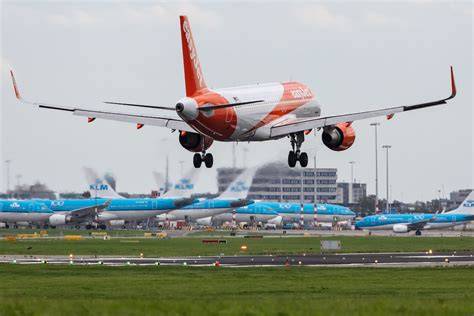
The strongest argument for an easyJet and Air France-KLM partnership is geography. easyJet already has substantial operations at both Paris Charles de Gaulle and Amsterdam Schiphol, making the two airports natural candidates for cooperation.
That matters because CDG is Air France’s principal global hub, while AMS is the central long-haul hub of KLM. easyJet can potentially bring passengers from European cities into these airports, after which Air France or KLM could transport them onward to destinations across North America, Asia, Africa and other international markets.
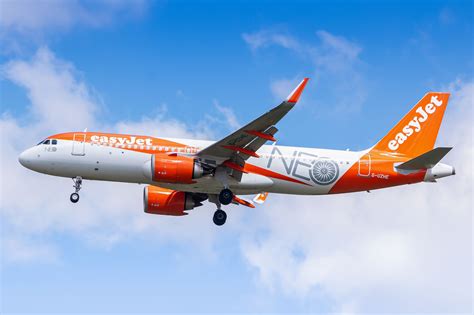
This arrangement could provide a meaningful advantage without requiring easyJet to purchase widebody aircraft or transform itself into a traditional network carrier. Instead, the airline could remain focused on its core strength: operating high-frequency short-haul services across Europe.
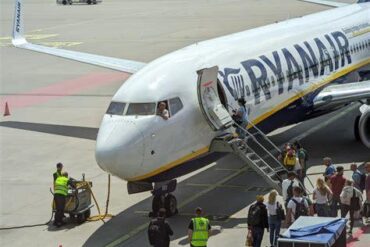
The airport economics are also compelling. easyJet’s presence at major airports provides something that many other low-cost carriers cannot easily replicate. Ryanair, for example, has a substantially larger European network overall, but its presence at CDG is absent and its Amsterdam operation is much smaller. For Air France-KLM, therefore, easyJet’s value is not simply the number of destinations it serves. It is where those destinations are connected to the group’s hub network.
Air France-KLM has already demonstrated the value of this type of arrangement through its cooperation with other airlines. Its codeshare and interline agreements with SAS, for example, give customers access to additional European destinations through the respective airline networks.
easyJet Could Become a Feeder Without Becoming a Network Airline
A partnership would also challenge the traditional distinction between low-cost and full-service airline models.
easyJet does not need to abandon its low-cost structure to provide connecting itineraries. Instead, it could monetize the enormous geographical reach of its network by selling access to passengers who might otherwise never consider easyJet for a long-distance journey.
Imagine a passenger traveling from a smaller European city to Tokyo. Rather than buying separate tickets and accepting the risks associated with a self-transfer, a future interline arrangement could potentially allow that traveler to purchase an itinerary combining an easyJet flight with an Air France or KLM long-haul service. The passenger would gain a more convenient journey, while the airlines could capture revenue from a customer who might otherwise choose another alliance or connecting hub.
For Apollo, the attraction would be equally clear. A partnership can potentially generate additional revenue without requiring the enormous capital expenditure associated with building a long-haul operation. It also makes easyJet’s network more valuable because each European route could become relevant to passengers traveling far beyond its immediate destination.
Air France-KLM Has Its Own Reasons to Pursue Cooperation
Air France-KLM would not necessarily need to acquire easyJet to benefit from its network. In fact, a commercial agreement could provide many of the strategic advantages while avoiding the financial, regulatory and operational complications of a full takeover.
Air France-KLM CEO Ben Smith has previously indicated that easyJet possesses assets that could interest other airlines, while distinguishing that interest from an active acquisition effort. That suggests the group understands the strategic value of easyJet even if outright ownership is not currently the objective.
The relationship could become even more interesting if Air France-KLM expands its position in Portugal. The group submitted a binding offer in July for a significant stake in TAP Air Portugal, potentially adding another major European network and another gateway toward Latin America and Africa to its portfolio. If that transaction ultimately succeeds, easyJet’s substantial presence at Lisbon could become strategically relevant to a much broader Air France-KLM network.
This does not mean a TAP transaction and an easyJet partnership are automatically connected. Rather, they illustrate how Air France-KLM is thinking increasingly about network reach, hubs and partnerships across Europe.
Virgin Atlantic Could Make the Strategy Even Bigger
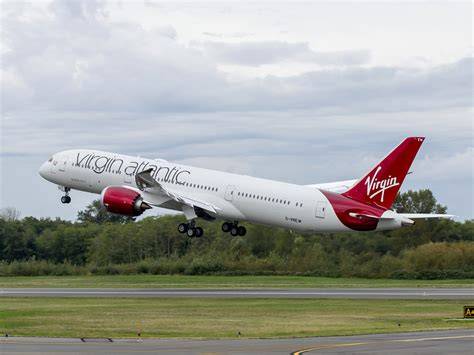
Air France-KLM may also not be the only potential partner. Separate reporting has indicated that easyJet has discussed possible codeshare and interline cooperation with Virgin Atlantic, creating an even more intriguing strategic picture.
The connection has historical foundations. Virgin Atlantic previously participated in Worldwide by easyJet, enabling connections between easyJet’s European network and Virgin’s long-haul services through London Gatwick.
Apollo also has an existing financial relationship with Virgin Atlantic, having provided significant financing secured against the airline’s Heathrow slot portfolio. That does not establish a direct commercial strategy between the three companies, but it makes the broader network implications difficult to ignore.
Virgin is part of SkyTeam, alongside Air France-KLM, and participates in the transatlantic joint venture involving Delta, Air France and KLM. A combination of bilateral relationships could therefore give easyJet access to a much wider international ecosystem without requiring the low-cost carrier to join an alliance itself.
What the Partnership Could Mean for easyJet Passengers
For customers, the biggest potential change would be connectivity rather than aircraft.
easyJet could continue operating its familiar Airbus fleet across Europe while offering access to destinations that are far beyond the practical reach of its own aircraft. Travelers could potentially book more complex journeys through one commercial platform, reducing the inconvenience associated with separate tickets and independent connections.
The opportunity is particularly significant at airports where easyJet already has substantial traffic but where long-haul connectivity is dominated by network carriers. If agreements are carefully designed, easyJet could feed premium and leisure passengers into long-haul services while Air France-KLM gains additional European traffic.
There would also be challenges. Codeshares require coordination over schedules, customer service, disruption handling, baggage, fares and revenue sharing. The airlines would need to ensure that connecting passengers receive a sufficiently reliable experience, because a missed connection can quickly undermine the convenience that an interline arrangement is designed to create.
A Potentially Important Chapter in easyJet’s Apollo Era
Nothing yet establishes that easyJet and Air France-KLM will sign a formal partnership. The reported discussions remain speculative, and neither airline has publicly confirmed a completed agreement. The takeover itself is also still progressing toward completion, with regulatory and transaction conditions remaining relevant.
Nevertheless, the strategic logic is unusually strong. easyJet has the European short-haul network, Air France-KLM has the global long-haul hubs, and Apollo has a clear incentive to unlock additional commercial value from the combination.
If cooperation eventually develops at Paris and Amsterdam, easyJet could become an increasingly important feeder for one of Europe’s largest airline groups without losing its low-cost identity. Add possible cooperation with Virgin Atlantic and the wider SkyTeam ecosystem, and the result could be much more significant than a simple codeshare.
Apollo’s takeover therefore may represent more than a change in easyJet’s ownership. It could mark the beginning of a new commercial strategy in which Europe’s low-cost network becomes a bridge to the world’s long-haul airlines.