In a significant move for European aviation, major airlines and aviation bodies have issued a joint statement calling on the European Union to adopt a more balanced and proportionate approach to airport noise management. The statement, released on June 19, 2025, marks a pivotal moment in the ongoing debate surrounding airport noise restrictions and their impact on both the aviation industry and local communities. This push, backed by key industry players including Lufthansa, British Airways, KLM, Air France, Ryanair, EasyJet, and Wizz Air, emphasizes the growing concern about unilateral national restrictions on airport operations.
The Growing Concern Over National Restrictions on Airport Noise
The aviation groups, supported by ACI EUROPE (the European Airports Council International), A4E (Airlines for Europe), and the European Regions Airline Association (ERA), expressed serious concerns regarding the increasing trend of ad hoc national decisions on airport noise restrictions. These actions are being implemented without sufficient adherence to established international frameworks like the ICAO Balanced Approach. The airlines argue that these restrictions not only disrupt air connectivity across Europe but also pose a significant threat to the EU’s aviation competitiveness on the global stage. These measures, they warn, are fragmented and could lead to inefficiencies, increased operational costs, and reduced market share for European airports in the increasingly competitive global aviation sector.
ICAO’s Balanced Approach: A Path to Sustainable Noise Management
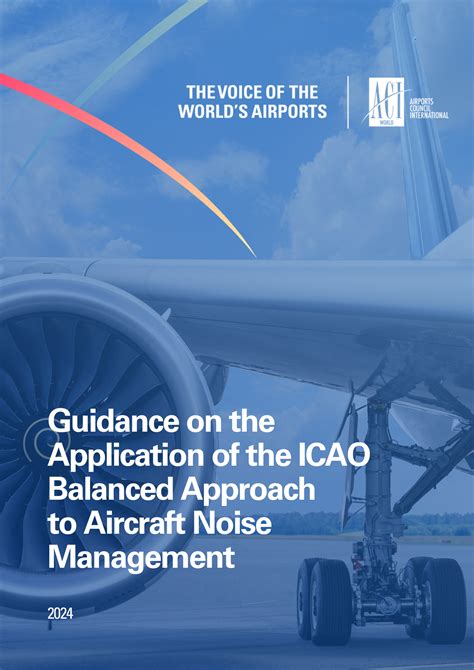
Adopted in 2001, the ICAO Balanced Approach to airport noise management offers a structured, multi-faceted framework for addressing airport noise issues. It is designed to provide a comprehensive solution to the growing concerns about noise pollution from aircraft, balancing the needs of aviation with those of local communities. The approach involves four key elements:
- Reduction at source: Focusing on the development and implementation of noise-reducing technologies and improvements in aircraft design.
- Land use planning and management: Ensuring that land around airports is managed to minimize noise impact on surrounding residential and commercial areas.
- Noise abatement operational procedures: Implementing measures to reduce noise during aircraft operations, including adjustments to flight paths, takeoff, and landing procedures.
- Noise-related operating restrictions: Imposing restrictions only when necessary, based on thorough analysis, and ensuring these measures are proportionate, targeted, and enforceable.
These four pillars ensure that noise management decisions are measured and effective, without being overly restrictive. The EU aviation groups have called for these measures to be mandatory under EU Regulation 598/2014, which governs noise-related operating restrictions at EU airports.
National Governments’ Unilateral Actions Threaten EU Aviation Competitiveness
Despite the existence of the ICAO framework, a growing number of EU member states are imposing unilateral noise restrictions on their airports. This trend is particularly evident in major European hubs such as Frankfurt, Munich, Berlin, Paris, London, Stockholm, Zurich, and Amsterdam. These measures often include night flight bans and operational restrictions that limit the capacity of these airports during certain hours.
For example, the Dutch government has recently announced plans to reduce the capacity of Amsterdam Schiphol Airport from 500,000 flights per year to 478,000 flights starting in 2025. While these measures are intended to reduce noise pollution, they have been met with fierce opposition from airlines, particularly KLM, which relies heavily on Schiphol as a major hub for international flights. The aviation industry argues that these capacity reductions will have a significant economic impact, disrupting connectivity and undermining the global competitiveness of Europe’s aviation sector.
Similarly, other major airports such as Frankfurt Airport, Munich Airport, and London Heathrow have faced debates over night flight restrictions, which have the potential to severely disrupt flight schedules and operational efficiency. These measures are typically supported by local residents and environmental groups but have sparked strong opposition from the aviation sector, which argues that such policies can damage the economic viability of the surrounding regions and hurt the aviation industry’s ability to compete internationally.
The Risk to Air Connectivity and European Competitiveness
The aviation industry’s concerns are not just about noise; they also focus on the broader impact of these national restrictions on air connectivity. The joint declaration from ACI EUROPE, A4E, and ERA stresses that these measures pose a direct threat to the ability of European airlines to offer affordable air travel to millions of passengers. Air France, Ryanair, EasyJet, and Wizz Air, which rely on a network of European hubs to connect passengers to international destinations, argue that these restrictions could limit their growth and reduce the number of available flights.
The European aviation sector is also facing increasing competition from non-European carriers, which are not subject to the same noise restrictions. As such, the imposition of ad hoc noise management measures could result in European airports losing market share to airports in regions with more flexible policies. This could undermine Europe’s position as a global aviation leader, particularly as the demand for air travel continues to rise.
A Call for Coordinated Policies
The aviation groups advocating for the adoption of the ICAO Balanced Approach argue that it provides a holistic and integrated framework for managing airport noise. By adhering to this framework, airports can address noise concerns without resorting to overly restrictive measures that disrupt the industry’s operations. The groups emphasize that sustainability, noise management, and connectivity must be addressed together—not in isolation.
The key to sustainable growth in the aviation sector, they argue, is the adoption of consistent, coordinated policies that align with international standards while allowing for the continued operation of European airports in a globally competitive market. The ICAO Balanced Approach provides the necessary tools to achieve this, ensuring that noise management is both effective and aligned with broader industry goals.
The Future of EU Aviation Policy: A Delicate Balance
As the European Commission and EU member states move to address the ongoing challenge of balancing environmental sustainability with operational efficiency, the aviation sector will continue to rely on the ICAO Balanced Approach as a guiding principle. Defining airport noise policy in a way that promotes sustainability, while ensuring that Europe remains competitive in the global aviation market, will require greater coherence and consistency in policy-making.
In the face of rising pressure from local communities and environmental advocates, EU aviation policy must evolve to accommodate the needs of both local residents and the aviation industry. The call for the adoption of ICAO’s Balanced Approach serves as a critical step toward achieving this balance. As the EU works toward these goals, it will need to ensure that all stakeholders—aviation authorities, airport operators, and airlines—cooperate to find solutions that serve both short-term local concerns and the long-term viability of the aviation sector.