In a transformative step towards making air travel more equitable and transparent, Europe is poised to eliminate cabin baggage fees on all flights by mid-2025, affecting major airlines such as Lufthansa, Ryanair, EasyJet, and Air France. This landmark proposal, backed decisively by EU lawmakers on June 24, 2025, is expected to usher in a unified standard for hand luggage across the continent, a long-anticipated move aimed at easing passenger frustration and eliminating deceptive pricing practices.
The decision follows years of mounting complaints from travelers, particularly those flying with budget carriers, over the opaque and often exorbitant charges levied for hand luggage. The European Parliament’s vote now brings the continent a step closer to guaranteeing passengers the right to one free cabin bag—a rule that will apply to all flights within the EU and to and from EU territories.
EU Standardization: A New Era for Cabin Baggage Rules
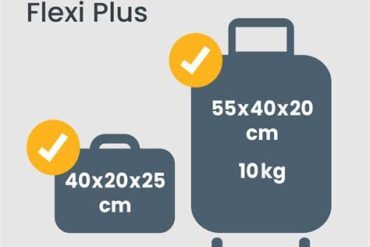
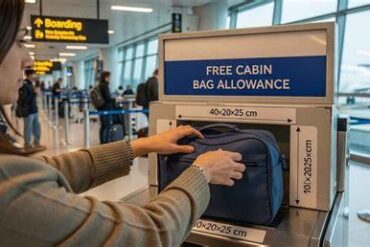
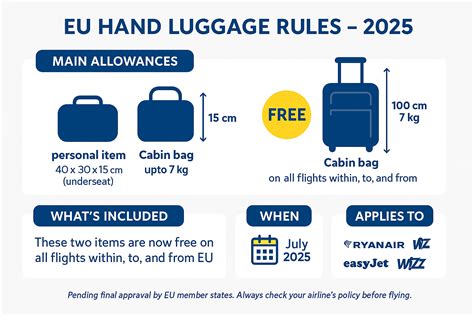
Under the new rules, passengers will be allowed to bring one cabin bag up to 100 cm in total dimension (length + width + height) and one small personal item, such as a handbag or laptop case, free of charge. The combined weight limit for these items will be 7 kilograms (15.4 pounds).
These standardizations replace the chaotic patchwork of airline-specific regulations that have made intra-European air travel a confusing and often costly experience. The unified policy aims to eliminate the need for travelers to decipher and adapt to a different luggage policy with each new airline, bringing an end to the frustrating ‘gotcha’ fees at boarding gates.
A Financial Win for Budget-Conscious Travelers
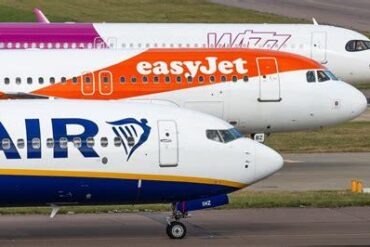
The financial implications of this reform are substantial. Budget airlines such as Ryanair, Wizz Air, and EasyJet have historically charged between €20 and €60 for cabin bags that exceed tightly restricted sizes. Passengers who have previously been forced to pay these premiums for short-haul flights or weekend trips will now benefit from substantial savings.
This change was partly inspired by the €179 million fine levied by Spain’s consumer watchdog in 2024 against five budget airlines, including Ryanair and EasyJet, for imposing what regulators called “unfair” hand luggage fees. The backlash prompted broader scrutiny across the EU, culminating in this 2025 legislation.
A Fragmented Past: Confusing Airline Baggage Policies
Until now, European air travelers have navigated a minefield of inconsistent cabin baggage allowances:
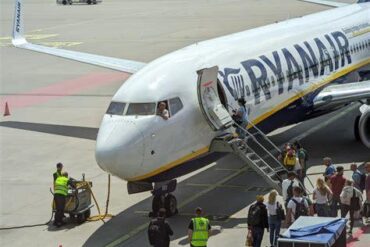
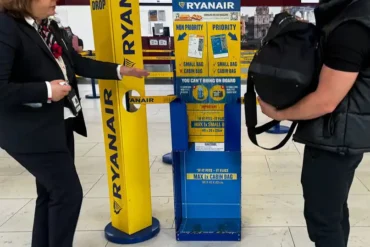
- Ryanair: Permitted only a small personal item (40x20x25 cm) unless passengers paid for priority boarding.
- Wizz Air: Allowed one personal item (40x30x20 cm), with fees for larger bags fluctuating by route and demand.
- EasyJet: Restricted free baggage to an under-seat item (45x36x20 cm), with charges for larger cabin bags.
- Lufthansa and Air France: Typically included one cabin bag and one personal item in standard fares, though exceptions applied.
This inconsistency not only caused consumer frustration but also bred mistrust, with many feeling airlines were deliberately hiding real costs behind misleading base fares.
Legislative Details: What Passengers Can Expect
The new EU regulation enshrines several critical principles that redefine the passenger experience:
- Uniform cabin bag dimensions of up to 100 cm (total of all sides).
- Personal item allowance of 40 x 30 x 15 cm.
- No additional charges, regardless of airline or ticket class.
- Weight limit of 7 kg for both items combined.
These reforms will apply to all commercial flights operating within, to, or from the European Union, ensuring widespread coverage and eliminating regional disparities.
The Wider Reform: More Than Just Bags
This cabin baggage policy is part of a broader consumer rights overhaul in the EU aviation sector. Other key reforms include:
- Free seat selection for children under 12, ensuring families can sit together without incurring extra costs.
- Transparent pricing mandates for travel agencies and booking platforms, requiring the full cost of a flight—fees, luggage, and all services—to be displayed upfront.
- Expanded compensation rights for missed connections caused by delays, even if subsequent travel is on a separate mode of transport like buses or trains.
These measures reflect a commitment to protect consumer interests in an industry often accused of prioritizing profit over passenger satisfaction.
Airlines Push Back: Revenue Concerns and Industry Criticism
Not everyone in the aviation industry has welcomed these reforms. Airline associations like Airlines for Europe (A4E) argue that abolishing bag fees will remove pricing flexibility and potentially force all passengers to pay for services they may not use.
A4E likens the scenario to forcing every moviegoer to buy popcorn, whether they want it or not. The concern is that airlines, stripped of their ability to monetize ancillary services, will hike ticket prices across the board. Budget carriers in particular—who rely heavily on these extra fees for profitability—warn of higher base fares and reduced service options.
Despite this pushback, EU regulators and consumer advocacy groups remain firm, citing passenger surveys and studies showing overwhelming support for transparent, fee-free pricing structures.
Timeline and Implementation: What Comes Next?
With the European Parliament’s approval secured, the legislation now requires final ratification by a majority of EU member states. If no significant objections arise, the law will take effect by mid-2025.
In preparation, airlines will be given a grace period to update their pricing models, train staff on new baggage protocols, and adapt digital booking systems to reflect the changes. Regulatory enforcement is expected to be overseen by national aviation authorities, in coordination with EU bodies.
In the interim, travelers are advised to remain vigilant and continue reviewing airline baggage policies carefully, especially when flying with carriers that have not yet transitioned to the new standards.
Public Sentiment: A Rare Consumer Victory
For the flying public, the reform is seen as a long-overdue correction. Frequent travelers, especially those using budget airlines for work or weekend getaways, have greeted the announcement with enthusiasm. Social media is awash with positive reactions from those who view the policy as a rare instance where legislation meaningfully improves everyday experiences.
“It’s about time someone stepped in,” said Katrin H., a Berlin-based software developer who flies frequently across Europe. “I once had to pay €45 just to bring a backpack I use every day. This reform will finally level the playing field.”
A New Era for European Aviation
The EU’s bold stance on eliminating cabin bag fees marks a defining moment in the evolution of air travel within Europe. By standardizing hand luggage policies, abolishing hidden fees, and fortifying passenger protections, the reforms promise to restore a sense of fairness and simplicity to the flying experience.
Whether you’re a seasoned business traveler, a budget-conscious backpacker, or a parent trying to navigate a family vacation, these changes ensure greater clarity, lower costs, and improved service across the European skies.
As mid-2025 approaches, the aviation world will be watching closely to see how airlines adapt, and whether this new approach inspires similar reforms beyond Europe’s borders. One thing is clear: the age of paying extra for a basic cabin bag in Europe is drawing to a close—and with it, a new chapter of smarter, fairer travel begins.