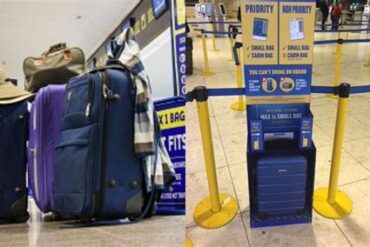
The battle over airline fees in Europe has entered a new phase after Ryanair launched a fierce attack on proposed European Union rules that would require airlines to allow passengers to bring cabin baggage onboard without additional charges. The low-cost carrier argues that the measure, presented as a win for consumer rights, could ultimately make air travel more expensive for millions of passengers.
According to Ryanair, the proposed regulations represent a fundamental misunderstanding of how travelers choose flights. The airline insists that most customers prioritize the lowest possible fare above all other factors, and forcing carriers to bundle cabin baggage into every ticket price would remove a key element of consumer choice.
Ryanair Says Free Bags Are Not Really Free
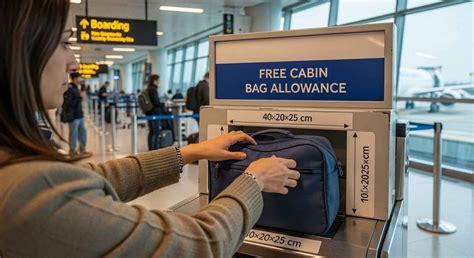
The proposed EU rules would grant passengers the right to carry a personal item and a small cabin suitcase without paying extra fees. Supporters argue that the change would increase transparency and eliminate unexpected charges that often frustrate travelers when booking flights.
Ryanair, however, contends that there is no such thing as a free cabin bag. The airline argues that the cost would simply be absorbed into base fares, meaning passengers who travel light would end up subsidizing those who bring additional luggage.
The carrier maintains that a significant percentage of its customers deliberately choose cheaper tickets by traveling with only a small personal item. Under the new framework, those travelers could face higher fares despite receiving no additional benefit.
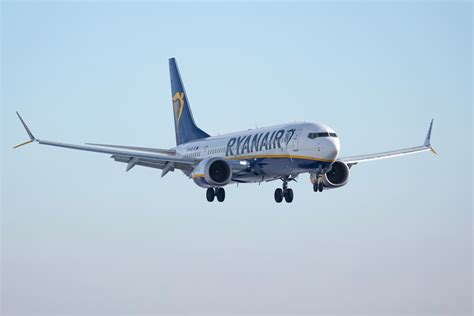
The airline believes that mandatory baggage inclusion undermines the ultra-low-cost business model that has helped transform air travel across Europe over the past two decades. By separating optional services from the ticket price, carriers such as Ryanair have been able to advertise exceptionally low fares and allow customers to customize their travel experience.
Chief Executive Michael O’Leary described the proposed measures as unnecessary bureaucracy and criticized European lawmakers for introducing regulations that, in his view, fail to address the industry’s most pressing challenges.
A Decade-Long Push for Expanded Passenger Rights
The baggage proposal forms part of a broader package of passenger-rights reforms that has been under discussion among European institutions for more than ten years. Lawmakers have sought to modernize aviation consumer protections while creating more consistent standards across the continent.
Among the most notable provisions is a ban on charging parents extra fees to sit next to their children. Consumer advocacy groups have long argued that family seating fees are unfair and place unnecessary financial pressure on travelers with young children.
The proposed rules would also preserve compensation rights for passengers affected by significant flight disruptions. Travelers would continue to be entitled to compensation in qualifying circumstances when delays exceed three hours.
Under the current draft, passengers would be allowed to carry a personal item measuring up to 40 x 30 x 15 centimeters, along with a small wheeled cabin bag weighing no more than seven kilograms. Supporters view these standards as a practical compromise that balances passenger convenience with operational realities.
Before becoming law, however, the measures must still receive formal approval from both the European Parliament and the European Council.
The Cost Debate at the Heart of the Dispute
At the center of Ryanair’s opposition is the belief that the proposal distorts price competition within the airline industry. The carrier argues that displaying a higher mandatory fare could make low-cost airlines appear less competitive when consumers compare ticket prices online.
According to company estimates, the regulation could add approximately €8 to the price of every ticket. While that amount may appear modest on an individual basis, Ryanair argues that the cumulative impact would be substantial across millions of annual passengers.
The airline claims that roughly half of its customers do not purchase a second cabin bag. In Ryanair’s view, requiring every traveler to pay for that option regardless of whether they use it would weaken one of the industry’s most successful low-cost pricing strategies.
Critics of the airline’s position counter that clearer pricing reduces confusion and helps travelers understand the true cost of a journey before reaching the checkout page. They argue that unbundled fees can sometimes make advertised fares appear lower than the final amount customers ultimately pay.
Ryanair Shifts Focus to Air Traffic Control Reform
Beyond baggage rules, Ryanair has used the debate to renew its criticism of Europe’s air traffic control infrastructure. The airline argues that lawmakers are concentrating on secondary issues while ignoring systemic operational problems that contribute to widespread delays.

O’Leary has repeatedly stated that the vast majority of flight delays affecting European passengers originate outside airlines’ direct control. According to the carrier, disruptions linked to air traffic management frequently trigger compensation obligations that airlines must absorb despite not causing the delays themselves.
Ryanair contends that meaningful reform should focus on improving efficiency within Europe’s fragmented air traffic control network. The airline argues that modernizing the system would reduce delays, lower costs, and provide more tangible benefits to passengers than mandatory baggage allowances.
As the proposed legislation moves toward final votes, the debate highlights a broader philosophical divide within European aviation. Consumer groups and lawmakers emphasize stronger passenger protections, while low-cost carriers warn that additional regulation risks increasing prices and reducing flexibility. The outcome could reshape how airlines price their services and how travelers experience air travel across Europe in the years ahead.