Europe’s aviation landscape is undergoing a significant transformation as Ryanair, one of the continent’s largest low-cost carriers, announces an increase in its free cabin baggage allowance across all routes. This bold policy shift is not only a win for passengers but reflects growing momentum toward standardized airline rules within the European Union, aiming to reduce confusion, eliminate hidden fees, and improve the overall air travel experience.
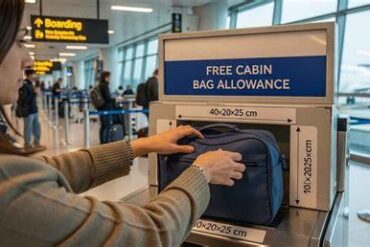
Ryanair’s updated policy allows passengers to carry a larger personal item onboard, adjusting the size limit for underseat bags from 40 x 25 x 20 centimeters to 40 x 30 x 20 centimeters, effectively increasing total capacity from 20 liters to 24 liters. While a few centimeters may appear trivial on paper, this change carries significant implications for millions of travelers across Europe who have long navigated an inconsistent maze of baggage policies.
The timing of Ryanair’s announcement is strategic. European institutions have been pushing aggressively for harmonized airline rules, particularly regarding passenger rights and transparent baggage policies. The European Parliament’s Transport Committee recently backed a proposal mandating that all airlines operating within the EU allow passengers to bring one small carry-on bag—measuring up to 40 x 30 x 15 centimeters—free of charge, alongside a smaller personal item with a maximum weight of seven kilograms. Though not yet enacted into law, the proposal signals a clear direction for the future of European aviation.
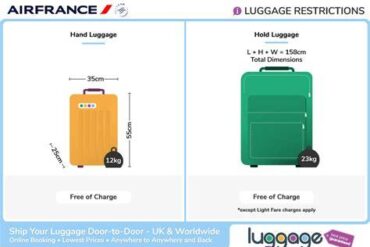
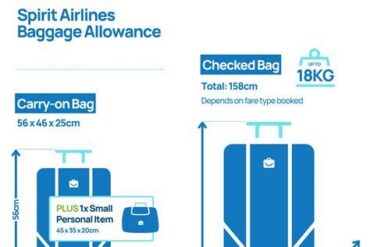
Ryanair’s move places it closer in line with other major carriers in the competitive low-cost sector. Wizz Air, a key rival, already permits bags of identical dimensions. Meanwhile, easyJet remains the most generous, allowing personal items up to 45 x 36 x 20 centimeters, offering substantially more space than Ryanair’s revised limits. Nevertheless, Ryanair’s adjustment narrows the gap and reflects growing industry pressure to standardize policies and reduce passenger frustration.
Ryanair’s Incremental Implementation and Airport Adaptation
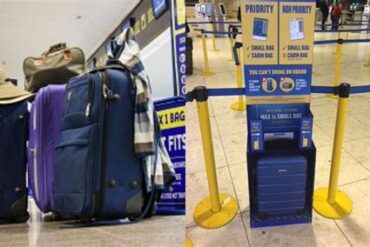
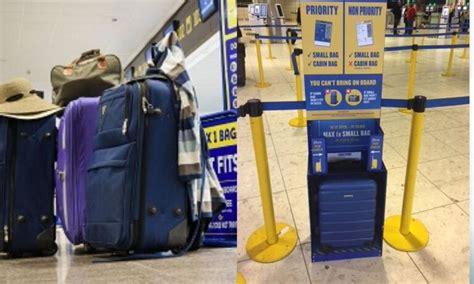
This policy shift is not being rolled out overnight. Ryanair will implement the updated baggage allowance gradually, giving airports, staff, and passengers time to adjust. The airline is modifying measurement frames at boarding gates to reflect the new size restrictions, aiming to avoid the confusion and last-minute penalties that have historically plagued travelers.
This incremental rollout also acknowledges the operational complexities of Ryanair’s vast European network. With thousands of flights daily across over 200 destinations, ensuring consistent enforcement of new rules requires careful logistical planning. Passengers are advised to double-check their baggage dimensions before traveling, as airports may adopt the updated measuring devices at different stages.
The airline’s proactive approach signals a broader strategy to align with evolving European regulations while safeguarding its market reputation. For years, budget carriers have faced criticism for charging hidden fees, particularly concerning hand luggage. Passengers often report being caught off guard by strict baggage enforcement at gates, resulting in unexpected costs that can dwarf the price of the ticket itself.
By offering more cabin space within the free allowance, Ryanair enhances its public image without sacrificing its ultra-low-cost business model. The increased dimensions accommodate a wider range of bags, such as small backpacks, tote bags, and larger laptop cases, making short trips and weekend getaways more convenient and less stressful.
The EU’s Push for Unified Passenger Rights
Ryanair’s baggage update is just one piece of a much larger puzzle—the European Union’s bid to create consistent, passenger-friendly airline rules across all member states. The current patchwork of regulations leaves travelers navigating vastly different policies, with discrepancies in baggage allowances, pricing transparency, and compensation for delays or cancellations.
The latest EU proposal aims to address these inconsistencies by:
- Mandating free carriage of small cabin bags up to 40 x 30 x 15 centimeters
- Allowing an additional small personal item weighing up to 7 kilograms
- Standardizing compensation protocols for delays, cancellations, and denied boarding
- Enhancing accessibility for travelers with reduced mobility
For the proposal to become law, it requires approval from at least 55 percent of EU member countries, representing 65 percent of the total population. Should it pass, airlines across Europe—whether budget or full-service—will be required to align their policies, eliminating one of the most common sources of passenger complaints.
The political momentum reflects mounting public dissatisfaction with airlines’ fragmented rules and hidden charges. The rise of budget travel has democratized air travel across Europe, but it has also exposed millions to inconsistent and often confusing baggage restrictions. The EU’s unified approach promises to simplify travel, reduce passenger anxiety, and rebuild trust in the aviation sector.
Airlines Under Pressure: Balancing Revenue and Passenger Experience
For low-cost carriers like Ryanair, these regulatory shifts present both challenges and opportunities. Ancillary fees, including charges for cabin luggage, account for a substantial portion of airline revenue. However, the backlash against opaque pricing models and aggressive baggage enforcement is forcing companies to reevaluate how they balance profit with passenger satisfaction.
Ryanair’s decision to increase free baggage dimensions reflects an understanding that customer goodwill and repeat business are increasingly tied to transparent, fair policies. Airlines that fail to adapt risk regulatory penalties and damage to their brand reputation.
This evolution is not unique to Europe. Globally, airlines are grappling with similar pressures as travelers demand greater clarity, fairness, and flexibility, particularly in the wake of the pandemic, which reshaped customer expectations. The European Union’s proposals are among the most comprehensive efforts to codify these expectations into enforceable rules.
The Future of Air Travel in Europe: Toward Consistency and Fairness
As Ryanair leads by example, other carriers will likely face pressure to follow suit, either voluntarily or through legal mandates. The airline industry, especially in Europe, is approaching an inflection point where unified, passenger-centric policies may become the norm rather than the exception.
While Ryanair’s updated cabin bag policy may seem like a small logistical tweak, it symbolizes a broader shift in how airlines engage with passengers and regulators alike. If successful, this could mark the beginning of the end for hidden fees, inconsistent rules, and the frustration of travelers trying to decipher complex baggage policies.
In the interim, passengers flying with Ryanair can enjoy a slightly more generous baggage allowance, offering greater convenience and reducing the likelihood of unexpected charges. Though incremental, such changes demonstrate that the aviation sector is listening—if not always voluntarily, then under the steady guidance of European lawmakers committed to simplifying air travel across the continent.
The next few months will be critical as the EU’s proposals advance through legislative channels and airlines adjust their operations. For travelers, the message is clear: the era of opaque baggage policies and inconsistent airline rules is being challenged, and the skies above Europe may soon become more navigable—for luggage and passengers alike.