Ryanair has reached a milestone few airlines in modern aviation can claim. After repaying its final €1.2 billion bond, the Irish ultra-low-cost giant is now effectively debt-free, entering the peak summer travel season with more than 620 owned Boeing 737 aircraft and a cash-positive balance sheet exceeding €2.1 billion.
For an airline industry built around borrowing, leasing, and long-term financial obligations, Ryanair’s position is unusually powerful. The carrier has not operated without significant debt since 1997, the year it was floated on the stock market. Nearly three decades later, the airline is emerging from a turbulent post-pandemic era with one of the strongest balance sheets in global aviation.
The announcement immediately reinforced Ryanair’s long-standing promise to passengers: lower fares than competitors, even as operating costs across Europe continue to climb.
The timing is significant. Airlines throughout Europe are struggling with elevated jet fuel prices, rising airport charges, labor pressures, and weakening consumer confidence in some markets. While many carriers remain tied to expensive aircraft leases and pandemic-era borrowing, Ryanair is entering summer with virtually no aircraft financing burden hanging over its operations.
Ryanair’s Debt-Free Strategy Changes The Competitive Landscape
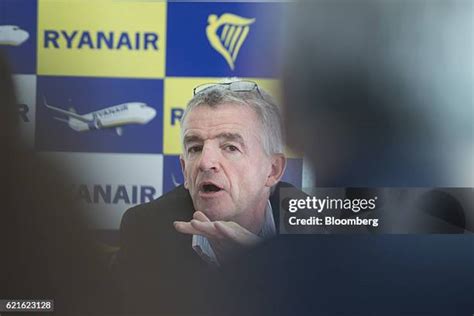
Ryanair Group Chief Financial Officer Neil Sorahan described the moment as “historic,” emphasizing that the airline’s financial strength creates a widening gap between Ryanair and rival carriers.
According to Sorahan, the company’s “fortress balance sheet” is supported by a fully unencumbered Boeing 737 fleet, strong liquidity, and investment-grade BBB+ ratings from both Fitch Ratings and S&P.
That financial flexibility matters enormously in aviation. Aircraft ownership is one of the largest cost burdens for airlines, with a single narrowbody jet potentially costing tens of millions of dollars. Most carriers spread that expense over years through leases or debt structures. Ryanair, however, now owns its core fleet outright without major liabilities attached.
This gives the airline several strategic advantages simultaneously. It reduces financing costs, protects the company from rising interest rates, improves cash flow stability, and gives management greater flexibility during economic downturns.
More importantly, it allows Ryanair to continue its aggressive pricing strategy across Europe.
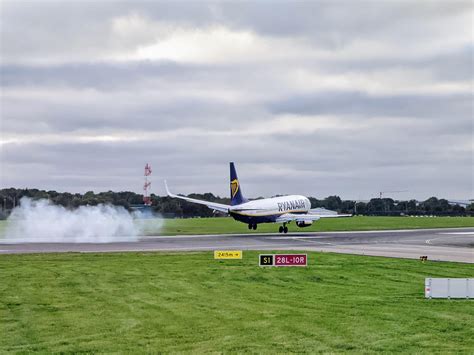
Why Lower Fares Remain Ryanair’s Most Powerful Weapon
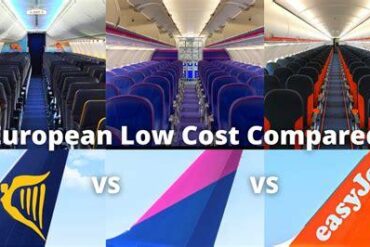
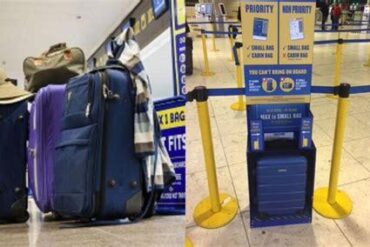
Ryanair’s business model has always revolved around relentless cost control. The airline’s reputation for strict baggage rules, secondary airports, paid seat selection, and minimal onboard frills has often frustrated passengers, yet the formula consistently delivers some of Europe’s cheapest airfares.
Now, with aircraft debt largely eliminated, Ryanair may be able to push ticket prices even lower relative to competitors.
Sorahan stated that the company’s financial strength would “enable Ryanair to continue to grow traffic at much lower fares than our competitors.” In practical terms, this means the airline can absorb economic shocks better than many rivals while continuing to stimulate demand through cheap pricing.
This could become especially important during a volatile summer season. Fuel prices remain unstable due to geopolitical tensions and ongoing disruptions linked to the Middle East. Many airlines are exposed to sharp swings in operating costs because they lack adequate fuel hedging programs.
Ryanair claims to have hedged approximately 80% of its fuel needs, significantly insulating the company from sudden price spikes.
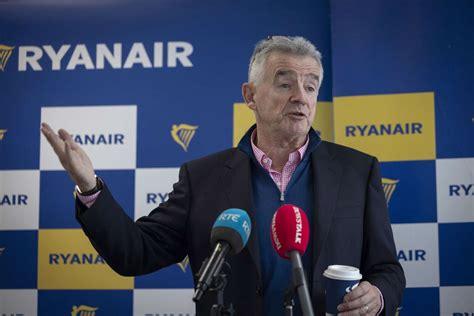
Chief Executive Michael O’Leary has already warned that several European airlines could struggle to survive the summer under current economic conditions. His comments may sound dramatic, but the industry’s financial reality supports the concern. Many smaller or heavily indebted airlines remain vulnerable after years of pandemic-related losses and rising borrowing costs.
A Fleet Built For Scale And Efficiency
Ryanair’s operational scale is another major factor behind its financial resilience. The carrier currently operates one of Europe’s largest narrowbody fleets, heavily standardized around Boeing 737 aircraft.
Its active fleet includes:
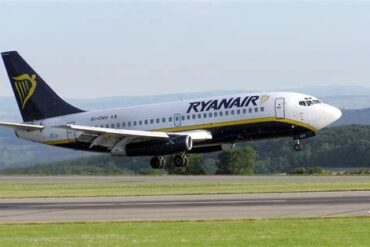
- 411 Boeing 737-800 aircraft
- 210 Boeing 737 MAX 8-200 aircraft
- 26 Airbus A320-200 aircraft operated by Lauda Europe
- One Boeing 737-700 operated by Buzz
- Four Bombardier Challenger 3500 business jets used for operational support
The Boeing 737 MAX 8-200 has become particularly important to Ryanair’s expansion strategy. Configured with 197 all-economy seats, the aircraft delivers improved fuel efficiency while maximizing passenger capacity. Lower fuel burn combined with high seat density allows Ryanair to spread operating costs across more travelers per flight.
The airline also has ambitious growth plans ahead. Ryanair intends to increase annual passenger numbers to 300 million by 2034 and expects additional Boeing 737 MAX 10 aircraft deliveries beginning in 2027 as part of an order exceeding 150 jets.
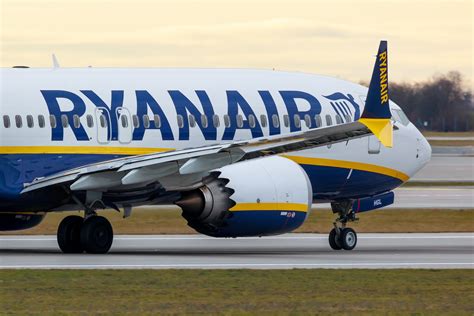
Secondary Airports Continue To Define Ryanair’s Model
Despite its enormous scale, Ryanair has not abandoned the tactics that helped build its low-cost empire. The airline continues prioritizing secondary airports where landing fees are lower and turnaround times are faster.
This strategy has long divided travelers. Airports such as Frankfurt Hahn, marketed as serving Frankfurt despite being much closer to Luxembourg, illustrate how Ryanair balances geography against operational efficiency.
For passengers willing to trade convenience for lower fares, the model remains highly attractive. For Ryanair, secondary airports provide a critical economic advantage that legacy airlines often struggle to match.
Combined with debt-free operations, those savings strengthen Ryanair’s ability to undercut competitors on ticket prices while maintaining profitability.
Europe’s Aviation Industry Faces A Difficult Summer
Ryanair’s strong position contrasts sharply with the uncertainty facing many European airlines entering summer 2026. Carriers across the continent are confronting rising fuel bills, aircraft delivery delays, labor shortages, and softer economic conditions in several key markets.
O’Leary believes some airlines may not survive the season at all.
Whether those predictions materialize or not, Ryanair appears positioned to capitalize on industry weakness. A debt-free balance sheet gives the company flexibility to expand routes, increase capacity, and seize airport slots if competitors reduce operations or collapse entirely.
The airline’s financial transformation also signals something broader about the aviation sector. After years of disruption caused by the pandemic, supply chain issues, inflation, and geopolitical instability, financial durability has become as important as operational scale.
Ryanair now possesses both.