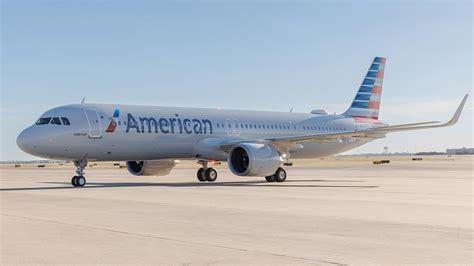
American Airlines is executing a calibrated shift in fleet growth and financing, trimming its Airbus A321XLR order while simultaneously tapping capital markets to sustain modernization. The airline has reduced its commitment from 50 to 40 A321XLR aircraft, a move that signals strategic fine-tuning rather than retreat, even as it raises $1.14 billion in aircraft-backed bonds to fund new deliveries and refinance existing assets.
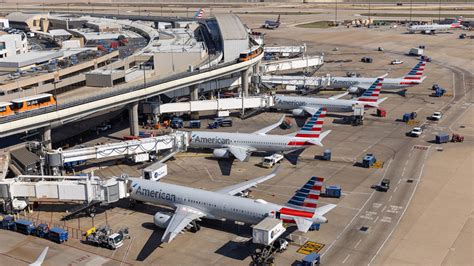
This dual-track decision reflects a broader effort to align capacity planning, capital discipline, and operational flexibility heading into 2026. With a mainline fleet exceeding 1,000 aircraft, American is navigating a complex balance between growth ambitions and financial resilience in a volatile aviation environment.
Why American Airlines Trimmed Its Airbus A321XLR Order
The decision to cut ten A321XLRs underscores a more measured approach to long-range narrowbody expansion. While the A321XLR remains a cornerstone of American’s network strategy—particularly for long-thin transatlantic routes and extended domestic missions—the airline appears to be reassessing how many of these specialized aircraft it truly needs.
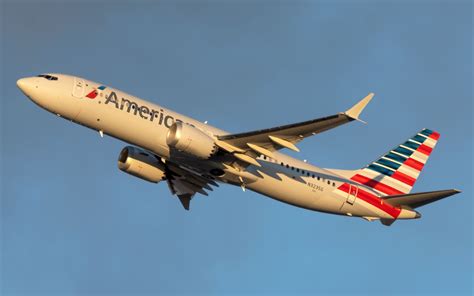
Several dynamics are shaping this recalibration. Delivery timelines, evolving route economics, and the rapid integration of Boeing 737 MAX 8 aircraft all influence fleet composition. American has already surpassed 100 deliveries of the 737 MAX 8, reinforcing the importance of balancing Airbus and Boeing assets within its network.
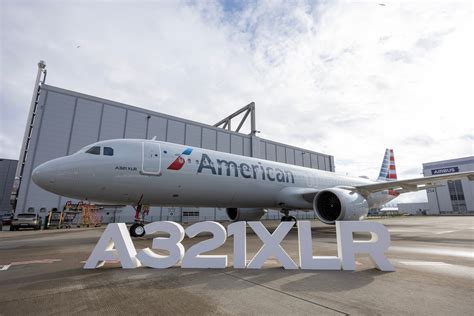
Rather than signaling diminished confidence in the A321XLR, the reduction suggests capacity optimization. Oversupply in niche long-haul narrowbody markets could dilute yields, and trimming the order helps mitigate that risk. In essence, American is refining its fleet to match realistic demand projections, not speculative growth.
The Strategic Role of the $1.14 Billion Bond Sale
Parallel to its fleet adjustment, American Airlines has secured $1.14 billion through aircraft-backed bonds, a financing mechanism that leverages the tangible value of its fleet. The proceeds are earmarked to fund approximately 17 new aircraft, refinance loans on 15 existing jets, and support broader corporate liquidity.
This approach allows the airline to spread capital expenditures over time, preserving cash flow while continuing its modernization efforts. Aircraft-backed bonds are particularly attractive because they are secured by high-value, revenue-generating assets, making them more appealing to debt investors compared to unsecured instruments.
For creditors, the appeal lies in the collateral strength of newer aircraft, especially fuel-efficient narrowbodies and modern long-haul jets. These assets retain resale value and operational relevance, offering a degree of protection even in downturns.
Investor Perspectives: Opportunity Meets Risk
The bond issuance presents a nuanced picture for investors. Debt holders benefit from structured, asset-backed security, but remain exposed to the inherent volatility of the airline industry. Factors such as fuel price fluctuations, demand shocks, and economic cycles can still impact repayment confidence.
Equity investors, meanwhile, face a more complex equation. While the financing supports fleet renewal and potential margin improvement, it also adds to the airline’s leverage profile. Compared to competitors like Delta Air Lines, American’s balance sheet remains more heavily burdened by debt, which could weigh on valuations if earnings underperform.
Ultimately, the success of this strategy hinges on whether the new aircraft deliver operational efficiencies and revenue growth sufficient to offset the increased financial obligations.
Implications for Airbus and the A321XLR Program
American’s order reduction carries broader implications for Airbus, particularly for the A321XLR program, which has been positioned as a game-changer in long-range narrowbody travel. Losing ten units from a major U.S. carrier’s order book is not catastrophic, but it does raise questions about market depth.
The A321XLR was designed around the premise that airlines would increasingly favor smaller aircraft for long-distance, lower-demand routes. If a key customer scales back, it suggests that demand for this niche may be more محدود than initially anticipated.
This comes at a challenging time for Airbus, which has been contending with engine supply constraints and slower production momentum. While demand for the broader A321neo family remains strong, the XLR variant occupies a more specialized segment, making every order adjustment more significant.
A Calculated Move, Not a Retreat
Despite the headlines, American Airlines is not stepping away from growth—it is redefining how that growth is executed. The combination of a targeted order reduction and a substantial bond issuance reflects a strategy rooted in precision rather than expansion at all costs.
The airline is effectively aligning its fleet with market realities, ensuring that capacity additions are supported by sustainable demand and financial prudence. In an industry where overextension can quickly erode profitability, this kind of discipline may prove निर्ण.
As 2026 approaches, American Airlines is positioning itself to remain competitive while maintaining flexibility. The message is clear: growth is still on the agenda, but it will be measured, data-driven, and financially grounded—a strategy that could define the next phase of its evolution.