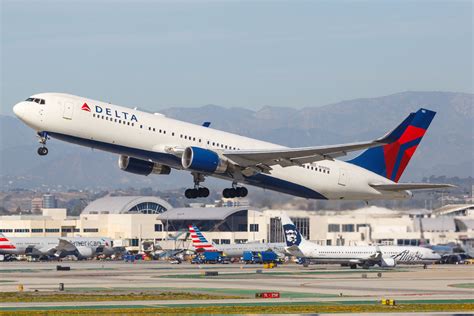
Delta Air Lines has made significant changes to its transatlantic network, removing dozens of destinations that were once part of its global schedule. As one of the largest operators between North America and Europe, Africa, South Asia, and the Middle East, Delta’s international footprint has evolved considerably over the past two decades. The airline’s latest adjustments reflect changing passenger demand, aircraft strategy, geopolitical conditions, and the growing importance of alliance partnerships.
An analysis of Delta’s transatlantic operations from January 2006 through July 2026 compared with its planned schedule from August 2026 to March 2027 reveals a major transformation. During this period, Delta has withdrawn from 24 airports across several regions, with even more destinations disappearing if older historical services are considered. While some routes were discontinued because of weak demand, others were affected by changing market conditions and shifts in Delta’s long-term international strategy.
Delta’s Reduced Presence in Africa, South Asia, and the Middle East
Some of Delta’s biggest international changes have occurred outside Europe. The airline once operated flights to several major cities in Africa, South Asia, and the Middle East, but many of these services have since disappeared. These cuts affected routes from two of Delta’s most important hubs: Hartsfield-Jackson Atlanta International Airport (ATL) and John F. Kennedy International Airport (JFK).
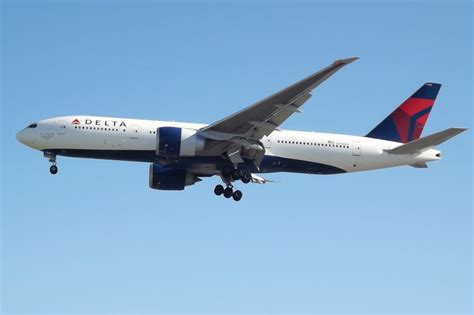
Delta previously operated some of its most ambitious long-haul routes from Atlanta. Between 2007 and 2016, the airline connected Atlanta and Dubai International Airport, while services to Kuwait and Mumbai also operated during the late 2000s. These flights required some of Delta’s longest-range aircraft, including the Boeing 777-200LR, which was specifically designed for ultra-long-distance operations.
The Atlanta-Mumbai route was especially notable because it became Delta’s longest nonstop service by both distance and flight time. However, changing economics, international competition, and shifting aircraft deployment priorities eventually led to its cancellation.
New York’s John F. Kennedy International Airport also experienced major reductions. Delta previously served destinations including Abuja, Amman, Cairo, and Mumbai from JFK. These routes represented Delta’s attempt to strengthen its presence in emerging international markets, but many struggled to achieve sustainable profitability.
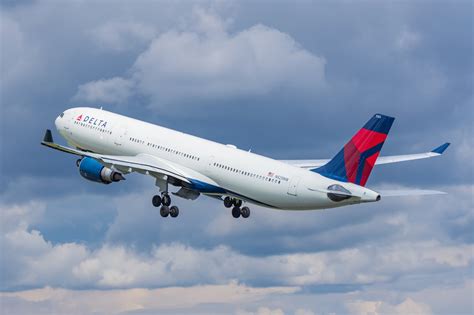
The airline has repeatedly expressed interest in expanding again into India, especially as new aircraft such as the Airbus A350-1000 become available. A return to some previously abandoned markets remains possible if demand, aircraft availability, and competitive conditions align.
European Destinations Removed From Delta’s Network
Europe represents the largest portion of Delta’s historical transatlantic network changes. Over the last twenty years, the airline has stopped serving numerous European airports, although many destinations remain accessible through SkyTeam alliance partners, particularly Air France and KLM.
Several discontinued routes were once important parts of Delta’s European expansion strategy. Cities including Vienna, Bucharest, Kyiv, Budapest, Istanbul, Moscow, Manchester, Glasgow, Pisa, Málaga, Düsseldorf, Stuttgart, and Geneva have all seen Delta service disappear at different points.
The airline’s European network has become more concentrated around stronger markets with consistent business and leisure demand. Instead of maintaining a wide collection of smaller routes, Delta has increasingly focused capacity on major international cities where premium travelers and corporate customers generate stronger revenue.
Aircraft changes have also played an important role. In previous years, Delta frequently used the Boeing 757-200 on European routes. The aircraft’s range allowed Delta to serve smaller European airports that could not support larger widebody aircraft. However, today Delta’s 757 operations across the Atlantic are much more limited, with only a small number of routes remaining.
The former New York JFK to Pisa service demonstrates how aggressively Delta once used narrowbody aircraft for long-distance international flying. Operating between 2007 and 2016, the route covered approximately 3,590 nautical miles (6,649 kilometers) and could require nearly ten hours of flying time back to the United States. The Boeing 757 made such routes possible, but rising costs and newer aircraft strategies changed the equation.
Why Delta Is Reducing International Routes
Delta’s transatlantic cuts are not simply a reduction in global ambition. Instead, they represent a more selective approach to international growth. Airlines increasingly evaluate routes based on profitability rather than network size alone.
Several factors influence these decisions. Passenger demand patterns have changed significantly since the mid-2000s, with some secondary European cities failing to generate enough year-round traffic. Competition from European carriers has also increased, particularly through major hubs operated by alliance partners.
Operational challenges have played a role as well. Political instability, sanctions, and regional conflicts have affected certain destinations. For example, services to Kyiv and Moscow have disappeared largely because of circumstances beyond normal commercial considerations.
At the same time, Delta has strengthened partnerships that allow customers to reach many destinations without operating its own aircraft. Through agreements with carriers such as Air France, KLM, and other SkyTeam members, Delta can maintain global connectivity while reducing the cost of operating less profitable routes.
Several Former Delta Destinations Still Have US Service
Although Delta has withdrawn from many airports, some destinations continue to receive flights from other American carriers. The disappearance of Delta service does not always mean a city loses access to the United States.
Between August 2026 and March 2027, several former Delta destinations are expected to maintain regular US connections. Airlines including American Airlines, United Airlines, and JetBlue continue serving selected European markets.
For example, United Airlines operates flights to destinations such as Dubrovnik, Geneva, Málaga, and Ponta Delgada, while JetBlue maintains service to London Gatwick. American Airlines has also expanded its presence in certain European markets.
However, some airports no longer have direct scheduled US flights. These include Düsseldorf, Lyon, Pisa, Stuttgart, and Valencia, creating opportunities for other carriers to evaluate potential new routes.
Valencia, Spain, is one example of a market that could attract future attention. With a large population, strong tourism sector, and meaningful passenger demand from North America, the city remains a potential candidate for future transatlantic expansion.
Delta’s New International Strategy Focuses on Strength Over Size
The latest Delta Air Lines transatlantic cuts show how the airline industry continues to evolve. Maintaining a massive international network is no longer the only measure of success. Modern airlines increasingly prioritize profitable routes, premium passengers, efficient aircraft utilization, and strategic partnerships.
Delta’s global network today is more focused than it was two decades ago. While some destinations have disappeared, the airline continues investing in major international markets and newer aircraft capable of supporting longer and more efficient flights.
The removal of 25 transatlantic destinations highlights a broader trend across aviation: airlines are becoming more selective, adapting quickly to market changes, and reshaping their networks around where passengers want to travel most.