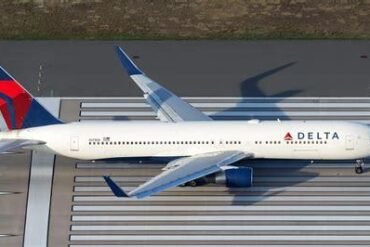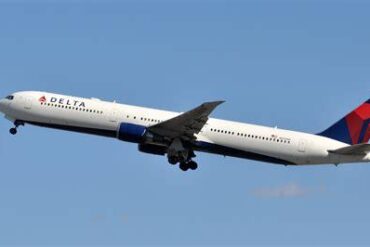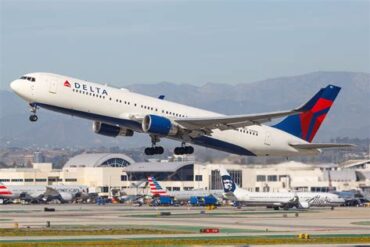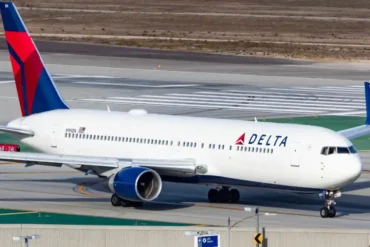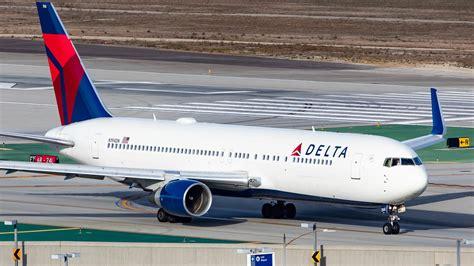
Delta Air Lines is making a decisive adjustment to its summer network, suspending five seasonal routes as rising fuel costs disrupt carefully planned growth. The move reflects a broader recalibration within the aviation industry, where volatile oil markets are once again dictating operational strategy and profitability. For passengers, it signals fewer options during peak travel months; for the airline, it represents a calculated effort to protect margins in an increasingly uncertain environment.
Fuel Prices Reshape Airline Economics in 2026
The catalyst behind these suspensions is clear: jet fuel costs are climbing sharply, driven by geopolitical instability and supply constraints. The ongoing tensions surrounding the Strait of Hormuz have pushed oil prices higher, placing immense pressure on airlines that already operate on thin margins. Fuel typically accounts for roughly a quarter of operating expenses, and even modest increases can ripple through an airline’s entire network.
Delta estimates that elevated fuel prices will add more than $2 billion to its operating costs in the June quarter alone. That figure underscores why even a well-capitalized carrier is forced to rethink expansion plans. Rather than absorbing these costs across its network, Delta is selectively trimming routes that may not deliver sufficient returns under current conditions.
Strategic Route Suspensions Across Key Markets
The suspended routes span both domestic and international markets, affecting travelers across multiple major hubs. The airline has chosen to pause services where seasonal demand may not offset the increased cost of operations.
The affected routes include:
- New York (JFK) to Memphis (MEM): June 7 to September 7
- New York (JFK) to St. Louis (STL): June 7 to September 7
- Detroit (DTW) to Reykjavik (KEF): May 7 to July 6
- Boston (BOS) to Nassau (NAS): July 18 to September 5
- Seattle (SEA) to Cancun (CUN): June 2 to November 8
These suspensions align closely with peak summer travel periods, highlighting just how significant the cost pressures have become. Instead of maximizing seasonal demand, Delta is prioritizing financial discipline.
Domestic Cuts Reflect Competitive Pressures
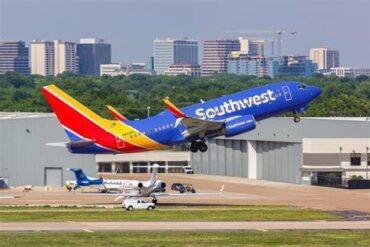
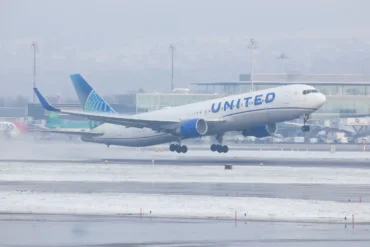
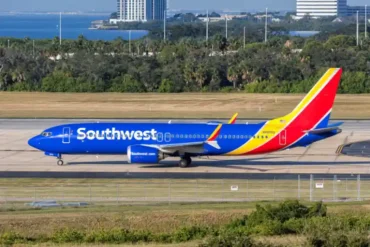
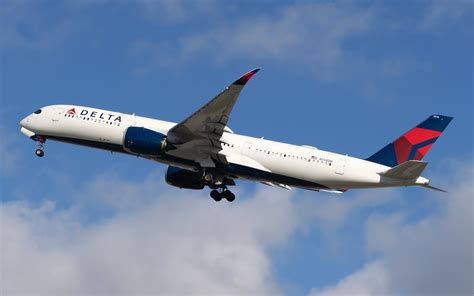
The decision to suspend two domestic routes from New York’s JFK Airport—serving Memphis and St. Louis—reveals a nuanced competitive landscape. These routes are not disappearing entirely; other carriers will continue to operate them. American Airlines and United Airlines remain active in both markets, while Southwest Airlines also maintains service to St. Louis.
For Delta, stepping back from these routes is less about abandoning the markets and more about reallocating resources. Aircraft and crews can be redirected to routes with stronger yields or more resilient demand, ensuring better overall efficiency.
International Network Adjustments Signal Caution
On the international front, the suspension of the Detroit to Reykjavik route is particularly notable. Iceland has become an increasingly popular destination for American travelers, yet it remains highly seasonal. By pausing this route early in the summer, Delta is signaling caution about transatlantic demand relative to operating costs.
The Boston to Nassau and Seattle to Cancun routes further illustrate this trend. Both destinations are popular leisure markets, but they are also highly competitive and sensitive to price fluctuations. With fuel costs rising, maintaining profitability on these routes becomes significantly more challenging.

A Hidden Advantage: Delta’s Refinery Strategy
Despite the challenges, Delta holds a unique advantage among U.S. carriers: ownership of its own oil refinery. The Trainer Refinery in Pennsylvania, operated through Monroe Energy, was acquired in 2012 as a strategic hedge against fuel price volatility.
This asset is expected to deliver approximately $300 million in benefits during the second quarter, partially offsetting the surge in fuel costs. While it does not eliminate the impact entirely, it provides Delta with a level of control that competitors lack. In times like these, that foresight becomes a critical differentiator.
Operational Discipline Over Aggressive Growth
Delta’s decision to suspend routes rather than push forward with expansion highlights a broader shift in airline strategy. Growth for its own sake is no longer the priority; sustainability and profitability have taken center stage. The airline is effectively pressing pause, waiting for clearer signals from the energy markets before committing to additional capacity.
This approach also reflects uncertainty about how long current conditions will persist. Without a stable outlook on fuel prices, forecasting becomes increasingly difficult. Delta has already indicated hesitation in providing a full-year financial projection, emphasizing just how fluid the situation remains.
What This Means for Travelers and the Industry
For travelers, these suspensions may translate into higher fares and fewer direct flight options, particularly on leisure routes. Increased reliance on connecting flights or alternative carriers is likely, especially during peak summer months.
For the broader airline industry, Delta’s move serves as a bellwether. When a major carrier takes preemptive action, others often follow. Capacity cuts could become more widespread if fuel prices remain elevated, potentially reshaping travel patterns throughout the year.
A Calculated Pause in an Uncertain Market
Delta Air Lines is not retreating—it is recalibrating. By suspending five summer routes, the airline is demonstrating a disciplined response to external pressures that are largely beyond its control. The decision underscores a fundamental reality of aviation: even the most sophisticated networks must adapt when fuel prices surge.
As the summer season approaches, all eyes will remain on the energy markets. If prices stabilize, these routes could return stronger than before. If not, this may mark the beginning of a broader industry shift toward leaner, more resilient operations.