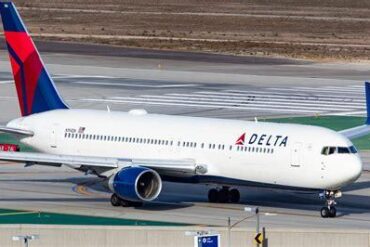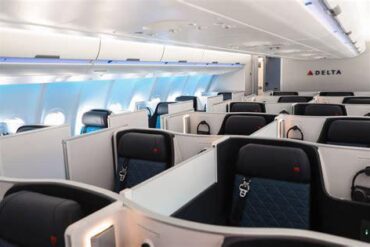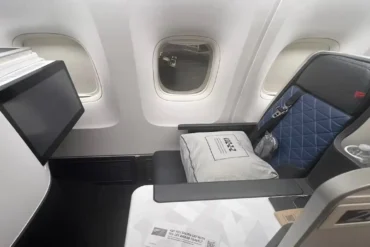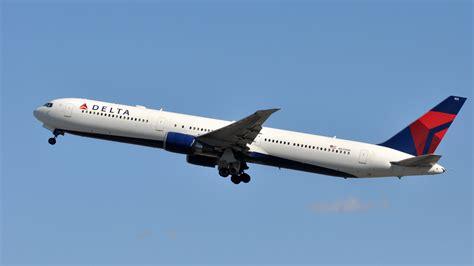
The latest schedule overhaul from Delta Air Lines signals a decisive pivot in how the carrier deploys its widebody fleet, with the Boeing 767-400ER emerging as a central player in long-haul strategy rather than domestic operations. A staggering 67% reduction in domestic 767-400 flights marks one of the most aggressive redeployments of widebody capacity in recent years, underscoring shifting demand patterns and a renewed focus on transatlantic profitability.
In the same quarter last year, Delta operated 1,040 two-way domestic flights using the 767-400ER. That number is set to plunge to just 347 in 2026, effectively removing the aircraft from nearly all domestic routes. The scale of the reduction is not merely a scheduling tweak—it represents a structural realignment of fleet utilization that prioritizes international yield over domestic frequency.
This dramatic shift reflects broader industry dynamics, where airlines are increasingly leveraging widebody aircraft for long-haul markets that offer higher margins, particularly during peak summer travel seasons. For Delta, the Boeing 767-400ER is no longer a flexible domestic workhorse but a specialized asset optimized for transatlantic and select long-haul routes.
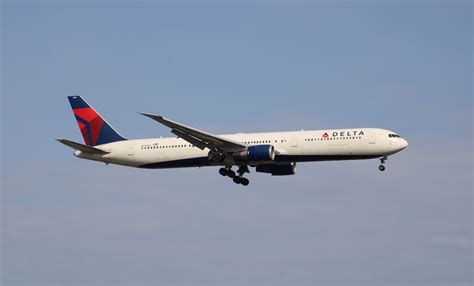
Domestic Network Retreat: A Single Route Remains
The domestic footprint of the 767-400ER has been reduced to a single surviving route: the premium transcontinental service between New York JFK and Los Angeles International Airport. This route, long associated with high-yield business and premium leisure traffic, will continue to see between one and three daily frequencies.
Previously, the aircraft served several key domestic corridors, including Los Angeles to Atlanta, New York to San Francisco, and Atlanta to Orlando. These routes will now transition to alternative aircraft types, likely narrowbodies or smaller widebodies better aligned with current demand and cost structures.
The decision to consolidate the 767-400ER on just one domestic route highlights Delta’s confidence in the profitability of premium transcontinental travel while acknowledging that most domestic markets no longer justify widebody deployment at scale.
Transatlantic Expansion Drives Redeployment
While domestic operations shrink, international utilization of the 767-400ER is surging. Delta plans a 14% increase in flights to Europe, with a total of 1,367 non-stop international services scheduled across the quarter. The majority of these flights will originate from major hubs in New York and Atlanta, reinforcing their roles as gateways to Europe.
Atlanta to London Heathrow stands out as the flagship route, with up to four daily flights and a total of 276 one-way services across July, August, and September. This level of frequency reflects sustained demand and Delta’s strategic emphasis on maintaining a dominant presence in one of the world’s most competitive transatlantic markets.
Close behind is the New York JFK to Paris route, which will see 252 services, operating at a cadence of two to three flights daily. These high-frequency routes demonstrate how the 767-400ER is being deployed where it can generate maximum revenue through both passenger demand and cargo capacity.
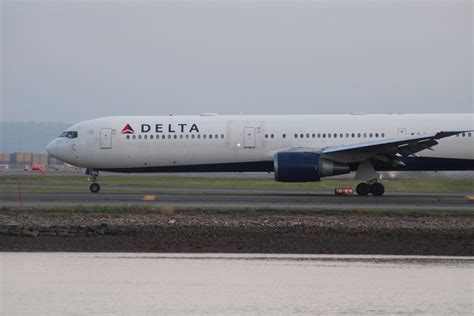
Expanding European Reach and New Market Opportunities
Beyond core hubs, Delta is expanding the reach of the 767-400ER into a diverse range of European destinations. Cities such as Munich, Nice, and Zurich will benefit from daily service, while Venice will see frequencies ramp up from three times weekly to daily by September.
Additional routes include Atlanta to Brussels and Paris, as well as new seasonal expansions like New York to Milan and Madrid. These additions reflect a calculated approach to capturing peak summer demand across both established and emerging leisure markets.
Notably, Delta is also introducing the 767-400ER on a South American route between Atlanta and Rio de Janeiro. Operating four times weekly, this service adds 53 flights over the quarter and signals a willingness to deploy the aircraft beyond traditional transatlantic corridors when demand supports it.
Fleet Strategy and Long-Term Implications
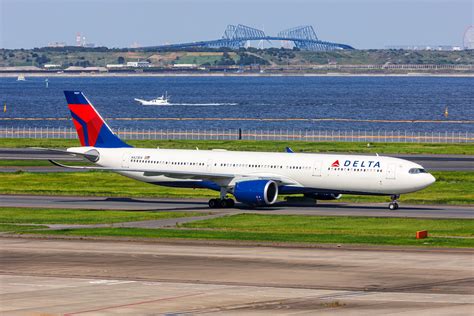
This redeployment aligns with Delta’s broader fleet modernization strategy. While the airline continues to operate a sizable fleet of Boeing 767-300ER aircraft, these are slated for retirement by the end of the decade. Their eventual replacement with next-generation aircraft such as the Airbus A330-900neo and A350-1000 will further reshape the airline’s long-haul capabilities.
In the interim, the 767-400ER serves as a critical bridge—offering the range and capacity needed for transatlantic routes while maintaining operational flexibility. By concentrating these aircraft on international services, Delta is maximizing their economic value during a period of strong global travel demand.
A Strategic Shift Toward Higher-Yield Markets
The 67% reduction in domestic 767-400 flights is not simply a cutback—it is a strategic reallocation of resources toward markets that promise stronger returns. As international travel continues to rebound and premium demand remains resilient, Delta is positioning itself to capitalize on these trends with precision.
By narrowing the domestic role of the 767-400ER and expanding its international presence, the airline is making a clear statement: widebody aircraft belong where they generate the most value. This recalibration may well set a precedent for how legacy carriers optimize fleet deployment in an increasingly competitive global aviation landscape.