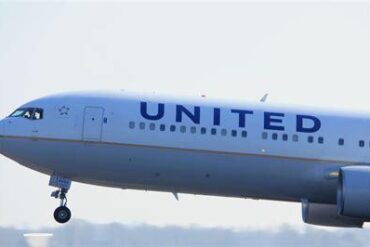
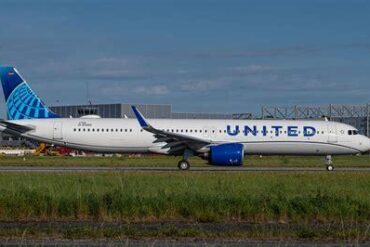
United Airlines has confirmed a series of major schedule adjustments that will significantly reshape its international and domestic operations in the second half of 2025. Among the most consequential changes is the suspension of its only direct flight to Cuba, alongside a 4% reduction in domestic capacity, primarily targeting off-peak times. These decisions reflect a blend of waning traveler demand, tightening U.S. government restrictions, and cost-control measures, all of which are prompting the airline to refine its strategy going into the winter travel season.
Why United Airlines Is Pulling Out of Cuba
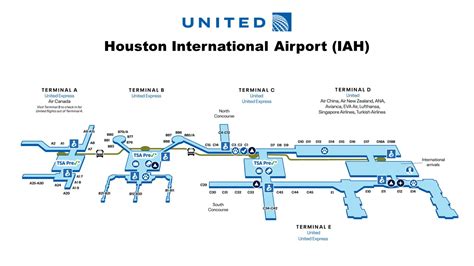
United Airlines has announced it will terminate its nonstop flight between Houston George Bush Intercontinental Airport (IAH) and Havana’s José Martí International Airport (HAV) starting September 2025. This decision effectively removes United’s only direct service to Cuba, marking a stark reversal in U.S.-Cuba air connectivity.
The move is rooted in two principal challenges: a sharp drop in passenger demand and increasing travel restrictions imposed by the U.S. government. Despite years of incremental improvements in U.S.-Cuba relations, recent months have seen a tightening of sanctions and administrative hurdles, further discouraging travelers from visiting the island.
According to internal evaluations, the route was no longer economically viable, with occupancy rates falling and competitive alternatives through other countries making Havana less accessible via direct service. United cited these limitations in its application to the U.S. Department of Transportation (DOT), requesting a dormancy waiver for the winter season—one that allows for the potential reinstatement of the route in summer 2026.
Travel Restrictions and Their Ripple Effect
The resurgence of stringent federal travel policies toward Cuba has made it increasingly difficult for U.S. airlines to profit from routes to the island. Restrictions have narrowed the categories under which Americans can travel, cutting off once-popular tourism loopholes and affecting passenger volume. Tour operators have seen declines, and passengers now more frequently bypass direct routes in favor of multi-leg journeys via third countries.
This regulatory climate, coupled with diminishing interest from American travelers, has triggered similar actions from other carriers in the past. For United, which only had a single Cuba-bound route, the losses proved unsustainable. The winter suspension aligns with lower seasonal travel activity and allows the airline to reallocate aircraft and crew resources more effectively.
Domestic Flight Reductions: Timing, Targets, and Impact
Alongside its international adjustments, United is trimming back its domestic network by up to 4% starting in Q3 2025. These reductions are not blanket cuts but are surgically targeted at flights with historically low load factors—early mornings, late evenings, and mid-week schedules.
This data-driven decision stems from ongoing post-pandemic behavioral shifts. More passengers are clustering around weekend getaways, holiday peaks, or prime business travel windows, while avoiding less convenient slots. Routes to secondary cities and regional hubs, especially those outside of United’s core coastal and midwestern markets, may be among the most affected.
Travelers who typically rely on off-peak itineraries should prepare for longer layovers, reduced options, and possible fare increases, especially in markets where competition is already sparse. United has not published a full list of affected routes but has confirmed that high-frequency corridors and major business destinations will be largely shielded from these changes.
Strategic Rationale Behind the Cuts
United’s strategy reflects a broader realignment across the airline industry, with carriers increasingly prioritizing yield over volume. Rather than maintaining routes with minimal profit margins, United is doubling down on flights that generate higher returns per seat. This focus on operational efficiency also allows the airline to manage crew shortages, rising fuel prices, and maintenance costs more effectively.
From a competitive standpoint, these changes may allow United to optimize fleet utilization, particularly with newer aircraft entering service. More efficient aircraft, better route pairings, and fewer idle hours during low-demand windows contribute directly to profitability and sustainability.
Travelers Face New Realities for Winter 2025
The effects of United’s schedule changes will begin to materialize as early as September 2025, affecting passengers’ winter travel plans. For Cuba-bound travelers, direct flight options from the U.S. are now even more limited, with alternatives likely involving connections through Mexico, Panama, or Canada.
Those planning domestic trips—particularly from smaller regional airports or aiming to travel during off-peak hours—will need to adjust expectations. United has encouraged passengers to book early and monitor their itineraries closely for any changes as the new schedule is finalized.
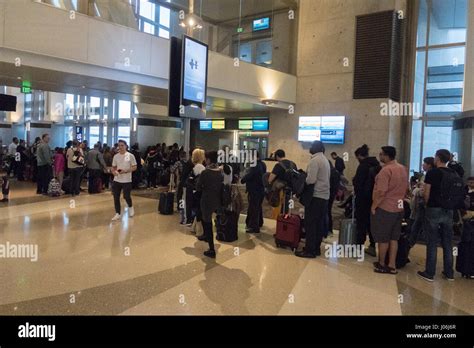
Seasoned flyers and travel planners are advised to build in extra flexibility, particularly if traveling around Thanksgiving, Christmas, or New Year’s holidays, when available inventory may become tighter due to the cutbacks. Also, travelers with existing reservations on affected routes will be contacted by United to make alternate arrangements or receive travel credits.
What This Means for the Broader Industry
United’s adjustments are emblematic of a wider trend among legacy carriers, who are increasingly adapting to volatile market conditions, shifting demand curves, and geopolitical developments. Airline route planning in 2025 is no longer about mere availability—it’s about agility and precision.
The rollback of the Cuba route raises questions about the future of U.S.-Cuba air connectivity. Unless diplomatic conditions improve or consumer interest rebounds, other carriers may follow suit. For domestic markets, the reduction in low-demand flight segments suggests a move toward hub consolidation and frequency rationalization, which could alter the competitive dynamics among U.S. airlines, especially in underserved markets.
Is a Comeback for Cuba Possible?
Despite the current retreat, United has left the door open to reenter the Havana market by requesting dormancy waivers from the DOT. This legal maneuver allows them to preserve their slot rights and resume operations in the summer of 2026, should market and political conditions improve.
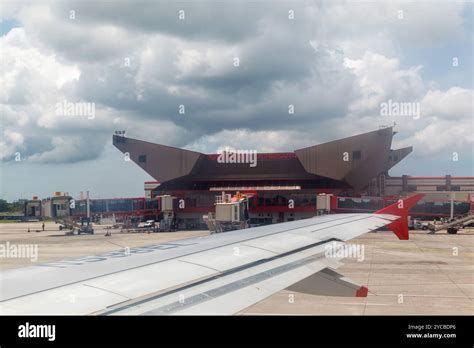
For now, however, United’s move suggests that Cuba is no longer viewed as a viable winter destination under the present regulatory and economic environment. Whether the route makes a comeback will depend on changes in U.S. foreign policy, economic incentives, and tourism demand restoration.
Key Takeaways for United Airlines Passengers
Passengers impacted by these changes are encouraged to:
- Confirm upcoming reservations, particularly for travel in Q3 and Q4 of 2025.
- Monitor emails or the United app for rebooking options or credits.
- Explore alternative routes, especially for Cuba-bound travel, which may now require multi-leg journeys.
- Book early for domestic holiday travel due to reduced off-peak options.
- Stay informed about future updates, especially if United resumes the Havana route in 2026.
The evolving airline schedule landscape requires a flexible mindset and proactive planning. As United adapts to a post-pandemic world shaped by policy, demand, and geopolitics, travelers must be ready to shift with the winds.
Final Word: Navigating a Changing Sky
As global aviation continues to recalibrate, United Airlines’ move to cut unprofitable routes and adjust to real-time traveler behavior reflects the need for nimble strategy and fiscal prudence. For travelers, the message is clear: plan ahead, stay alert, and be flexible.
Whether you’re hoping to soak in Havana’s vibrant culture or simply catching a red-eye to a small-town conference, the skies of 2025 will demand more adaptability and awareness than ever before.