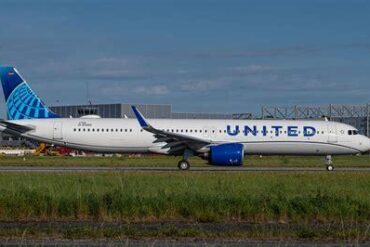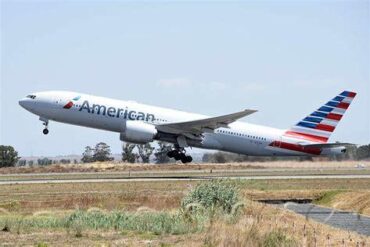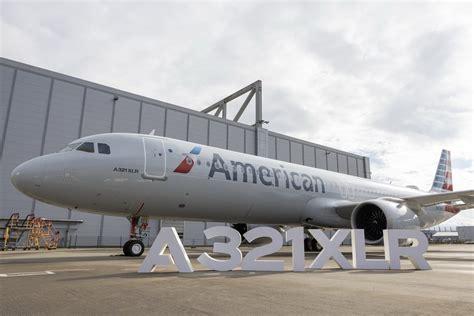
The Airbus A321XLR was once hailed as a transformative aircraft, a narrowbody jet with the reach and efficiency to redraw long-haul travel maps. Designed to unlock thin, long-distance routes that were previously unviable, it promised airlines the flexibility of a widebody without the associated financial risk. Yet, in a surprising shift, American Airlines—one of the aircraft’s most prominent backers—has opted to scale back its commitment, raising fresh questions about the jet’s near-term trajectory.
A Strategic Cut That Signals Caution
American Airlines has reduced its A321XLR order from 50 aircraft to 40, a notable 20% cut that underscores a broader recalibration of priorities. The decision coincided with a $1.14 billion bond sale, aimed at financing the acquisition of 17 other aircraft. While the airline has not abandoned the A321XLR program, the move clearly signals a pivot toward more predictable, lower-risk fleet investments.
This adjustment does not occur in isolation. The airline industry is navigating a period marked by economic volatility, fluctuating demand, and sharply rising operational costs. In such an environment, even a highly anticipated aircraft like the A321XLR must compete with the reliability and established performance of models such as the Airbus A321neo and Boeing 737 MAX 8, both of which continue to anchor American’s fleet modernization efforts.
The Vision Behind the A321XLR
The A321XLR earned its reputation as a “Swiss army knife of aviation” by offering a unique blend of range and efficiency. Airlines envisioned deploying it on routes connecting secondary cities across continents, bypassing traditional hub-and-spoke systems and delivering more direct travel options.
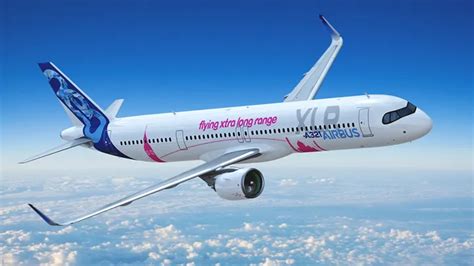
Its extended range allows it to operate transatlantic flights between smaller markets, opening opportunities that were previously too risky or unprofitable with larger aircraft. This capability positioned the A321XLR as a potential game-changer, particularly for airlines seeking to diversify routes without committing to widebody capacity.
However, ambition alone does not shield a program from external pressures. The aircraft’s promise remains intact, but its rollout is now being shaped by factors far beyond engineering innovation.
Fuel Costs and the Weight of Global Events
A major force behind American Airlines’ decision is the surge in fuel prices, intensified by geopolitical tensions such as the 2026 Iran crisis. For a carrier of American’s scale, even marginal increases translate into billions of dollars. Reports indicate the airline is bracing for a $4 billion year-on-year spike in fuel expenses in a single quarter.
Such staggering figures inevitably influence fleet decisions. Aircraft like the A321XLR, while efficient, represent new operational variables—from pilot training to maintenance infrastructure. In contrast, expanding fleets with familiar models offers a degree of financial predictability that becomes invaluable during uncertain times.
The airline’s leadership has emphasized that its strengthened balance sheet provides flexibility, but flexibility often means choosing conservative, proven pathways over bold experimentation when margins are under pressure.
Implications for Passengers and Route Networks
For travelers, the scaled-back order could translate into a slower realization of the A321XLR’s most exciting promise: more direct, point-to-point international flights. Routes that might have connected smaller cities across continents may now take longer to materialize, or may not appear at all in the near future.
The aircraft was expected to redefine convenience, reducing the need for layovers in congested hubs. Instead, passengers may continue relying on traditional routing patterns, at least until airlines regain confidence to expand with newer, more specialized aircraft.
There is a certain irony in this development. The A321XLR was designed to change the rules of the game, yet external forces have instead changed the conditions under which the game is played. Its capabilities remain compelling, but timing has become its greatest obstacle.
Current Fleet Status and Operational Reality
American Airlines has already taken delivery of four A321XLR aircraft, though only two are currently in active service. The remaining jets have been undergoing maintenance, highlighting the complexities involved in introducing a new aircraft type into regular operations.
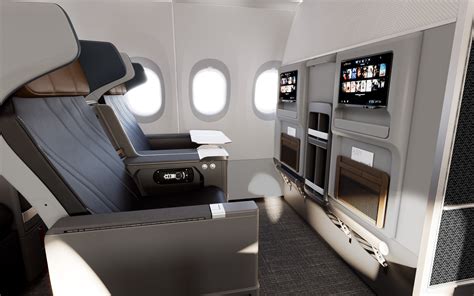
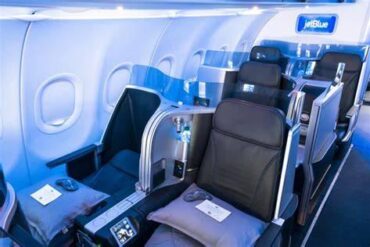
Configured in a three-class layout with 155 seats, the aircraft reflects a premium-heavy strategy. It includes Flagship Business suites in a 1-1 configuration, a dedicated premium economy cabin, and a standard economy section. This setup aligns with the airline’s ambition to offer long-haul comfort on narrowbody routes, a concept that blends efficiency with an elevated passenger experience.
Scheduled operations, such as flights from New York JFK to Edinburgh, demonstrate that the aircraft is already carving out a niche. Yet, its limited numbers mean its overall impact remains modest—for now.
A Pause, Not a Reversal
Despite the reduction in orders, it would be premature to interpret American Airlines’ decision as a lack of faith in the A321XLR. The aircraft continues to attract global interest, and its core value proposition—efficient long-haul travel on thinner routes—remains highly relevant.
What this moment represents is less a rejection and more a strategic pause, driven by economic realities rather than technological shortcomings. Airlines are, at their core, businesses that must balance innovation with resilience. When costs surge and uncertainty looms, even the most promising advancements can find themselves temporarily sidelined.
The A321XLR’s story is far from over. If anything, this chapter highlights the delicate interplay between innovation and timing in aviation. The aircraft still holds the potential to reshape networks, but its ascent will depend not just on its capabilities, but on when the industry is ready to fully embrace them.