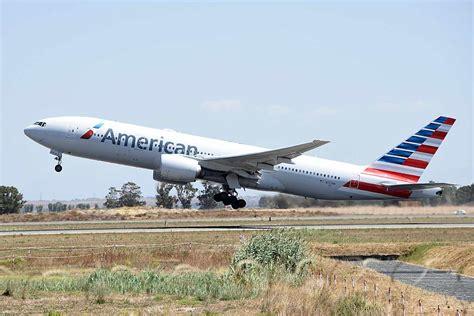
American Airlines is redrawing its Bermuda route map in ways that could reverberate through the island’s economy and travel infrastructure for months to come. With the elimination of its seasonal nonstop route between Bermuda (BDA) and Washington, D.C. (DCA) effective August 5, 2025, and a reduction in Bermuda–Miami flights from daily to five weekly starting August 11, the carrier is signaling a shift that reaches far beyond routine scheduling.
Bermuda–Washington Route Axed: A Major Loss of Direct U.S. Access
The cancellation of the Bermuda–Washington D.C. (DCA) seasonal service is no mere footnote. The route served as a critical link between the U.S. capital and the Atlantic island, particularly for government travelers, diplomatic traffic, and affluent leisure passengers. It allowed seamless weekend getaways and quick business trips, delivering high-yield passengers in a nonstop format.
With the DCA route gone, passengers will need to rely on connecting flights, most likely routing through Charlotte (CLT) or Philadelphia (PHL) to reach Bermuda. This adds complexity and time—two elements that may discourage short-term or frequent travel.
The DCA cut is more than operational—it is symbolic. It signals that even premium leisure markets like Bermuda are not immune to route rationalization when demand patterns fail to meet financial thresholds.
Miami Frequencies Reduced: A Strategic Shift With Regional Impact
Effective August 11, 2025, American Airlines will trim its Bermuda–Miami (MIA) service from seven weekly flights to five. The revised schedule creates significant gaps:
- No inbound flights on August 11, 12, 18, 19, 25, and 26
- No outbound flights on August 12, 13, 19, 20, 26, and 27
This means reduced flexibility and fewer booking options for travelers using Miami as a gateway—not just to Florida, but to Latin America and the Caribbean. Miami’s importance extends beyond tourism; it serves as a major connecting point for Bermuda-bound travelers from South America, the Southern U.S., and even Europe.
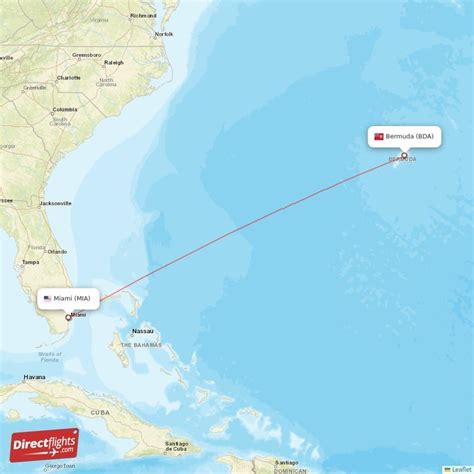
The reduction of frequencies here is a high-impact decision, particularly during the summer travel season when load factors and demand typically peak.
Core East Coast Routes Remain Intact
Despite these cuts, American Airlines is preserving daily service to Bermuda from Charlotte (CLT), New York (JFK), and Philadelphia (PHL). These routes represent the carrier’s strongest feeder markets into Bermuda and are being protected for now.
- Charlotte (CLT) continues as a critical hub for Southeast U.S. connectivity.
- New York (JFK) offers direct access to one of Bermuda’s largest and most affluent visitor markets.
- Philadelphia (PHL), often overlooked, serves as a powerful Northeast funnel for both business and leisure travel.
These sustained routes suggest American is focusing on concentrated, high-efficiency corridors, shedding fringe routes that lack consistent performance while preserving those that deliver steady yield.
Strategic Realignment Reflects Broader Industry Trends
This isn’t an isolated move by American Airlines—it’s part of a larger strategy being adopted across the airline industry. Post-pandemic, airlines are aggressively reassessing route networks, aiming to cut underperforming segments and concentrate capacity where returns are strongest.
Flying half-empty planes is no longer acceptable, even for legacy carriers. As cost structures rise due to fuel prices, labor contracts, and operational constraints, every route must prove its worth.
In this context, the Bermuda–DCA and reduced MIA routes likely failed to meet evolving performance metrics, prompting their removal from the schedule.
Bermuda’s Tourism and Economy Face New Headwinds
Air connectivity is not a luxury for Bermuda—it is a lifeline. The island’s tourism economy is built on ease of access from the East Coast of North America. Every dropped flight represents:
- Fewer hotel nights
- Fewer restaurant bookings
- Less activity for local tour operators and guides
The drop in flights is particularly alarming as Bermuda continues its recovery from global travel disruptions. Airlift is a leading indicator of tourism vitality, and any contraction sends negative signals to investors, tour operators, and future visitors.
Tourism stakeholders on the island now face the urgent task of re-strategizing marketing, logistics, and partnerships to mitigate the impact of this pullback.
Other Airlines Maintain Service – For Now
Fortunately, Bermuda’s skies aren’t emptying entirely. Other carriers continue to provide vital lifelines:
- Delta Air Lines: 4x weekly to New York (JFK), 3x weekly to Atlanta (ATL)
- JetBlue: Daily to Boston (BOS) and New York (JFK)
- United Airlines: Daily to Newark (EWR)
- Air Canada: 5x weekly to Toronto (YYZ), Saturday-only to Montreal (YUL)
- British Airways: Daily to London Heathrow (LHR)
These services offer stability—but that stability is fragile. Airline route decisions remain in flux as demand evolves and global economic conditions shift.
BermudAir Emerges as a Regional Player
In contrast to American’s retreat, BermudAir (2T) is making tactical expansions. Though dropping Fort Lauderdale and Providence routes this July, BermudAir will introduce service to:
- Charleston (CHS)
- Hartford (BDL)
- Raleigh-Durham (RDU)
These additions represent targeted growth in underserved secondary U.S. cities, potentially absorbing some of the demand abandoned by American Airlines.
Yet, BermudAir operates with a limited fleet and variable frequency model. Some new routes run only once or twice weekly, limiting their utility for business travelers and time-sensitive leisure passengers. While promising, BermudAir cannot fully backfill the lost convenience of major U.S. carriers.
Azores Airlines Adds European Flavor
In a lesser-known but symbolically important move, Azores Airlines (S4) will operate flights between Bermuda and Ponta Delgada (PDL) on August 3 and 17, with additional winter charters planned from December 2025 through January 2026.
This marks a rare transatlantic link beyond London, giving European travelers an alternative path to Bermuda. However, the seasonal and limited nature of these flights means they will supplement, not substitute, U.S. connectivity.
Travelers Face More Complex Itineraries and Potential Fare Hikes
The reduction in nonstop options from key cities will likely increase travel time, inconvenience, and costs. Travelers must now:
- Tolerate more layovers
- Navigate tighter booking windows
- Face potential fare increases due to decreased seat inventory
Business travelers, who prioritize efficiency, may now rethink trips altogether. For leisure travelers, Bermuda’s traditional image of an easy, direct getaway is beginning to erode.
A Pivotal Moment for Bermuda’s Aviation Future
This is a wake-up call. The cutbacks by American Airlines place Bermuda at an inflection point. The island must:
- Reinforce existing airline relationships
- Incentivize new carriers and routes
- Invest in tourism promotion across markets with continuing service
There may also be a need to rethink the tourism mix, placing greater emphasis on European, Canadian, and secondary U.S. markets to make up for lost D.C. and Miami traffic.
Without proactive response, the island risks further erosion of its connectivity advantage—especially if other airlines follow American’s lead.
Looking Ahead: Cautious Optimism and Urgent Action
Bermuda’s inherent strengths remain intact: world-class beaches, safety, proximity to the U.S., and a luxury hospitality infrastructure. But those assets are only as valuable as the air seats that bring travelers in.
The American Airlines route reductions are not a death knell—but they are a red flag. Bermuda must adapt quickly, or risk watching its skies grow quieter.
Travelers, too, will be watching—deciding if Bermuda continues to offer the convenient, upscale island escape they’ve always known, or if logistical friction sends them to other shores.
The coming months will reveal how this island in the Atlantic reinvents itself in an era of strategic airline realignment. The stakes could not be higher.