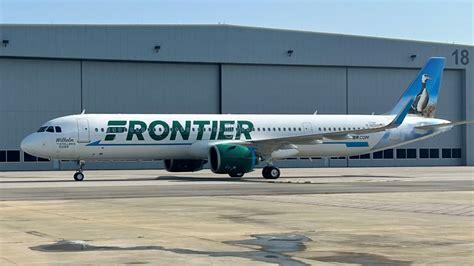
Frontier Airlines has taken another calculated step in refining its long-term fleet strategy by agreeing to sell 11 Airbus A321neo delivery positions to aircraft leasing giant Avolon. Rather than signaling a slowdown in expansion, the agreement reflects the growing importance of flexibility in today’s commercial aviation market, where aircraft production delays and soaring demand have significantly increased the value of future delivery slots.
The transaction transfers a small portion of Frontier’s outstanding Airbus orderbook to the Dublin-based lessor, allowing Avolon to expand its portfolio of next-generation narrowbody aircraft while Frontier retains one of the largest Airbus orderbooks among North American airlines. Since the aircraft have not yet been delivered by Airbus, the deal has no immediate impact on Frontier’s daily operations or existing fleet.
The agreement also demonstrates how airlines and leasing companies are adapting to an aviation environment where new aircraft remain in short supply. Factory delivery positions have become highly valuable assets, creating opportunities for both airlines seeking financial flexibility and leasing companies looking to secure aircraft years before production capacity becomes available.
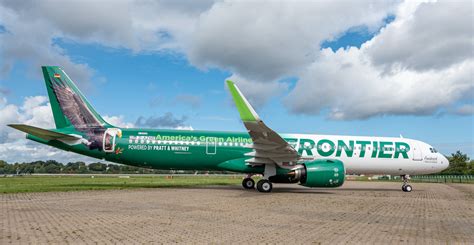
Fleet Strategy Drives Frontier’s Airbus A321neo Transaction
According to reports, the aircraft involved were originally scheduled to be delivered directly from Airbus to Frontier Airlines as part of its massive A320neo Family order. Following the agreement, Avolon will acquire these delivery positions, adding them to its expanding aircraft portfolio before leasing aircraft to airline customers worldwide.
This move represents a strategic portfolio adjustment rather than a reduction in Frontier’s commitment to fleet modernization. The ultra-low-cost carrier continues investing heavily in fuel-efficient aircraft capable of lowering operating costs while increasing passenger capacity.
Frontier’s modern fleet has become one of its strongest competitive advantages. By focusing exclusively on Airbus aircraft, the airline simplifies pilot training, maintenance procedures, spare parts inventories, and operational planning. These efficiencies are critical in the ultra-low-cost airline sector, where even modest cost savings can significantly improve profitability.
Why the Airbus A321neo Remains One of Aviation’s Most Valuable Aircraft
The Airbus A321neo has become one of the aviation industry’s most sought-after narrowbody aircraft thanks to its combination of efficiency, range, and passenger capacity.
Compared with previous-generation aircraft, the A321neo delivers substantially lower fuel consumption while offering airlines additional seating capacity. This allows carriers to spread operating costs across more passengers, reducing the cost per available seat mile—a key performance metric for low-cost airlines.
Its extended range has also transformed airline network planning. Many carriers now use the A321neo to operate routes that previously required much larger widebody aircraft or could not be served economically at all.
For airlines like Frontier, every percentage point of fuel savings directly supports its low-fare business model. Lower operating costs help maintain competitive ticket prices while improving overall profitability despite fluctuating fuel prices and economic uncertainty.
Avolon Strengthens Its Position in the Global Leasing Market
For Avolon, acquiring additional Airbus delivery positions represents an investment in future demand rather than simply adding aircraft to its balance sheet.
Aircraft leasing companies increasingly compete for scarce production slots because manufacturers continue facing substantial order backlogs. Airlines seeking rapid fleet expansion often cannot wait several years for factory deliveries, making leased aircraft an attractive alternative.
By securing these 11 A321neo positions, Avolon gains valuable inventory that can later be placed with airlines requiring modern, fuel-efficient aircraft. The acquisition also enhances the company’s competitiveness in a leasing market where availability of next-generation aircraft has become a major differentiator.
The transaction received approval from Bohai Leasing, Avolon’s parent company, highlighting the strategic importance of expanding its future aircraft reserves as global demand for modern single-aisle jets continues to rise.
The Growing Value of Aircraft Delivery Positions
Aircraft order transfers like this have become increasingly common across commercial aviation over the past several years.
Production constraints at Airbus and Boeing have created lengthy waiting periods for new aircraft. In many cases, airlines placing fresh orders today may not receive deliveries until the end of the decade.
As a result, existing delivery positions have evolved into valuable commercial assets. Airlines can sell, transfer, or restructure portions of their orderbooks to improve liquidity, reduce capital commitments, or better align fleet growth with changing market conditions.
For leasing companies, obtaining near-term production slots creates opportunities to meet customer demand far sooner than airlines ordering directly from manufacturers.
This evolving marketplace has transformed future aircraft deliveries into strategic financial instruments, benefiting both airlines and lessors through mutually advantageous agreements.
Frontier’s Long-Term Expansion Strategy Remains Unchanged
Despite reducing its orderbook by 11 aircraft, Frontier continues pursuing one of the industry’s most ambitious fleet modernization programs.
The airline’s parent company, Indigo Partners, placed a landmark Airbus order in 2017 involving hundreds of A320neo Family aircraft, providing Frontier with a long-term pipeline of new deliveries extending well into the future.
That order continues supporting Frontier’s aggressive growth strategy, allowing the carrier to gradually replace older aircraft while expanding into new domestic and international markets.
The airline remains committed to operating one of North America’s youngest commercial fleets, relying heavily on the latest Airbus technology to improve operational efficiency, reduce emissions, and maintain its ultra-low-cost competitive advantage.
Because only a small portion of its future deliveries has changed ownership, Frontier’s broader fleet renewal plans remain firmly intact.
Airbus Production Challenges Continue Reshaping the Industry
The transaction also reflects broader trends affecting the global commercial aviation sector.
Airbus continues working through an enormous production backlog as airlines worldwide accelerate fleet renewal following the recovery in passenger demand. Manufacturing constraints, supply chain disruptions, and engine availability have all contributed to slower-than-expected aircraft deliveries.
These challenges have significantly increased the market value of existing production positions, encouraging more airlines to optimize their orderbooks while providing leasing companies with opportunities to secure future inventory.
As manufacturers gradually increase production rates, similar transactions are expected to remain common. Airlines will continue balancing financial flexibility with long-term fleet growth, while lessors compete aggressively to secure delivery positions that can satisfy rising global demand.
Frontier Airlines’ agreement with Avolon perfectly illustrates this evolving landscape. Rather than reducing its growth ambitions, the carrier has simply adjusted a small portion of its future fleet plan, maintaining flexibility while continuing its long-term investment in one of the world’s most efficient and commercially successful aircraft families.