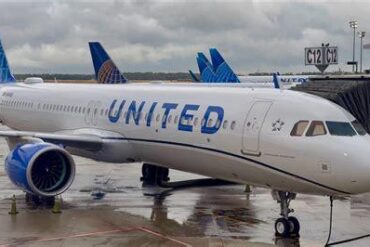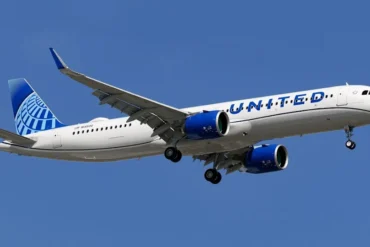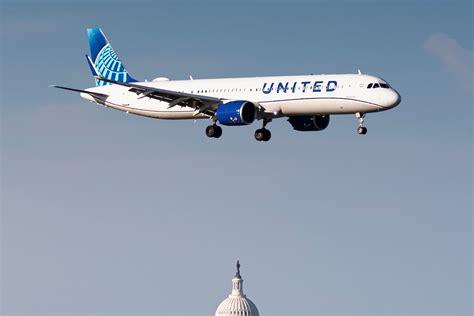
United Airlines has strengthened its next-generation narrowbody fleet with the arrival of its 69th and 70th Airbus A321neo aircraft, marking another milestone in the carrier’s long-term fleet modernization strategy. The latest deliveries underscore the airline’s commitment to expanding premium travel options while replacing older aircraft with more fuel-efficient models capable of delivering stronger passenger satisfaction and lower operating costs. As United continues investing heavily in new aircraft, the A321neo has emerged as one of the airline’s most valuable assets, consistently outperforming expectations on both operational efficiency and customer experience.
The two newly delivered aircraft, registered N24573 and N54561, departed Airbus’ assembly facility in Mobile, Alabama, before being ferried to Florida for final preparations ahead of commercial service. Rather than entering passenger operations immediately, both aircraft will undergo interior installation work, regulatory inspections, and maintenance checks at United’s dedicated maintenance facility located at Tampa International Airport. This induction process ensures every aircraft meets the airline’s operational and cabin standards before welcoming passengers onboard.
N24573 completed its ferry flight on July 1 before later repositioning to Melbourne Orlando International Airport, while N54561 followed one day later with a flight lasting approximately one hour and forty-two minutes. Once all required inspections and certification procedures are complete, both aircraft are expected to join United’s extensive domestic network.

United’s A321neo Fleet Continues Rapid Expansion
These latest deliveries are another important step in the airline’s ambitious United Next transformation program. Under this multi-year initiative, United plans to accept more than 250 new aircraft through 2028, dramatically refreshing one of the world’s largest airline fleets.
The airline currently operates over 1,100 active aircraft while maintaining nearly 600 additional aircraft on order, giving it one of the industry’s most aggressive fleet expansion plans. The Airbus A321neo represents a significant portion of those future deliveries, with 135 more aircraft still scheduled to join the fleet after these latest additions.
Unlike simple fleet replacement, United’s strategy focuses on improving passenger comfort, increasing premium seating capacity, and enhancing operational efficiency. Modern aircraft such as the A321neo burn substantially less fuel than previous-generation narrowbody jets while also producing lower emissions and offering greater range, allowing United to optimize both domestic and international routes.
Why The Airbus A321neo Is Winning Favor Over The 737 MAX
Although United remains one of Boeing’s largest customers, the Airbus A321neo has increasingly become a standout performer within the airline’s narrowbody fleet. Company data has indicated that the aircraft delivers the airline’s highest passenger satisfaction scores, outperforming its Boeing 737 counterparts across several customer experience categories.
The aircraft combines a spacious cabin with quieter engines, larger overhead storage bins, and improved environmental performance. These features translate into a noticeably more comfortable journey, particularly on longer domestic flights where passenger comfort plays a growing role in airline competitiveness.
At the same time, continuing certification delays affecting the Boeing 737 MAX 10 have complicated United’s fleet planning. As a result, the airline has explored converting portions of its outstanding MAX 10 order into additional MAX 8 and MAX 9 aircraft that are already certified and operating successfully. Nevertheless, the steady flow of Airbus A321neo deliveries provides valuable flexibility while reducing dependence on a single manufacturer.
Coastliner Configuration Brings Widebody Comfort To Narrowbody Routes
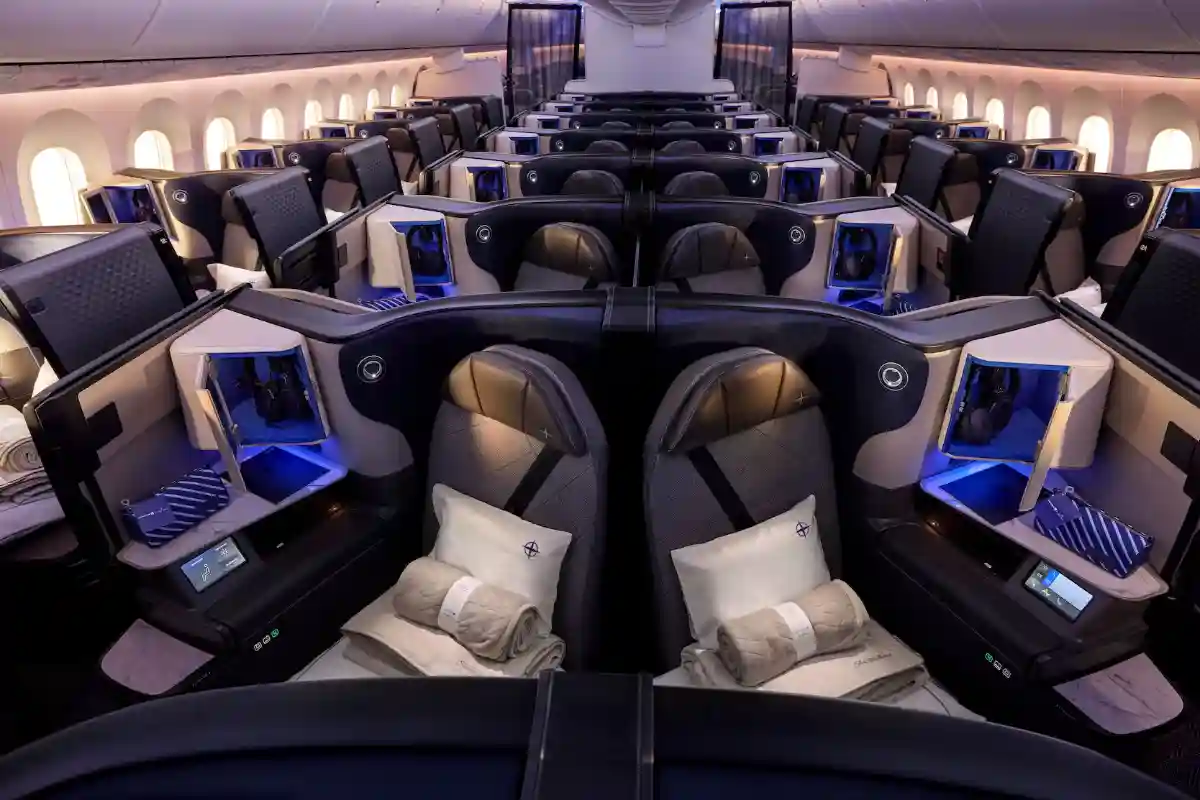
Perhaps the most exciting evolution of the A321neo fleet is the upcoming Coastliner configuration, designed specifically for premium transcontinental flying. These aircraft will redefine narrowbody travel by introducing features traditionally reserved for long-haul widebody aircraft.
The Coastliner layout will include 20 all-aisle-access United Polaris suites, allowing every premium passenger direct aisle access without climbing over neighboring seats. Complementing the Polaris cabin will be 12 United Premium Plus seats and 129 economy seats, creating a carefully balanced cabin that emphasizes premium revenue while maintaining substantial economy capacity.
Another distinctive addition will be a dedicated snack bar positioned near the rear of the aircraft. To accommodate this feature, the standard seating configuration removes the final row, creating additional space that enhances passenger convenience during longer flights.
Strengthening Key Coast-to-Coast Routes
Once fully operational, the Coastliner A321neo fleet will primarily serve high-demand transcontinental markets linking United’s West Coast hubs at San Francisco and Los Angeles with Newark. These routes attract a large mix of corporate travelers and premium leisure passengers, making enhanced onboard comfort a major competitive advantage.
By offering lie-flat Polaris seating on narrowbody aircraft, United aims to deliver a travel experience comparable to international widebody flights while improving scheduling flexibility and reducing operating costs. This strategy enables the airline to deploy premium products more efficiently across some of its busiest domestic corridors.
With seventy Airbus A321neos now delivered and another 135 still awaiting production, United’s investment signals confidence in the aircraft’s long-term role within its network. As newer aircraft steadily replace aging narrowbodies and premium-focused Coastliner variants begin entering service, the A321neo is positioned to become one of the defining aircraft supporting United Airlines’ continued growth and its pursuit of offering one of North America’s most competitive passenger experiences.