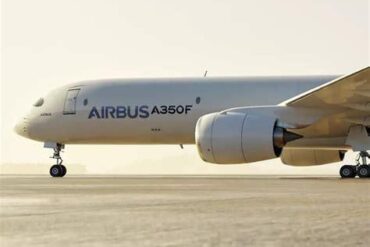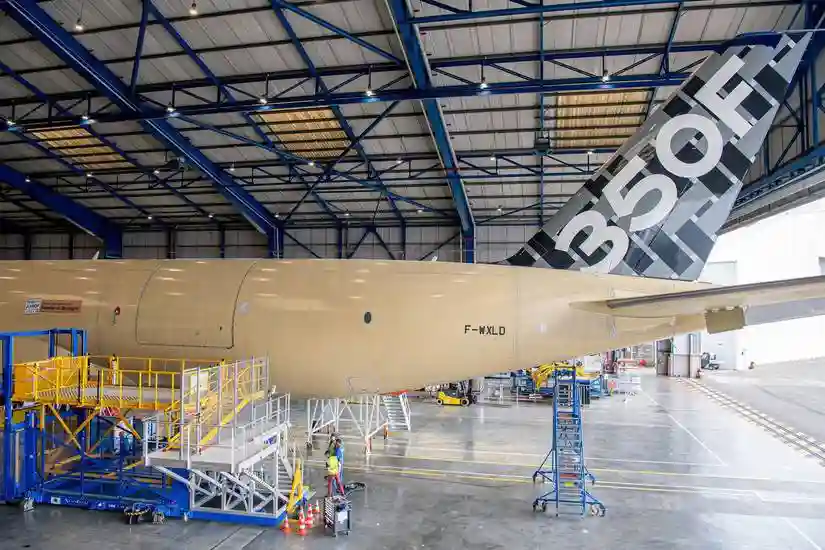
Airbus is preparing for a major milestone in the global air cargo market, with the A350F Freighter now expected to make its maiden flight in late September 2026. The first flight will mark a critical stage in the development of Airbus’ newest freighter and move the aircraft closer to its planned first customer delivery in the second half of 2027. However, the timeline remains tight, and even a relatively small development issue could push the test flight into October.
The upcoming flight is particularly important because the A350F represents Airbus’ most serious attempt yet to challenge Boeing’s long-standing dominance of the large freighter market. Airbus has traditionally been much stronger in passenger aircraft, while Boeing has built a formidable position in cargo aviation with aircraft such as the 747F, 777F and the forthcoming 777-8F. The A350F is designed to give cargo operators a modern alternative built around the efficiency, technology and materials of the A350 family.
Airbus A350F Maiden Flight Targeted for September 2026
According to Reuters, Airbus is targeting September 2026 for the A350F’s first flight, although the manufacturer has little room for unexpected delays. The aircraft was originally expected to fly much earlier, but development has taken longer than initially planned. Airbus launched the A350F specification in 2021 and originally targeted a 2025 timeframe for the aircraft to enter service. That schedule has since shifted substantially, with first delivery now expected during 2027.
The maiden flight will nevertheless represent a major achievement for the program. Once the first aircraft leaves the ground, Airbus can move into an intensive campaign of flight testing, systems evaluation and certification work. The company will need to demonstrate that the freighter meets demanding performance and regulatory requirements before handing the aircraft to customers.
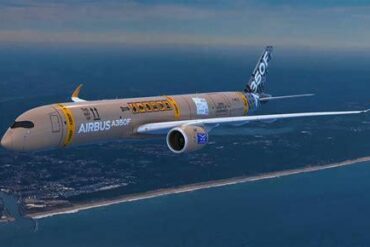
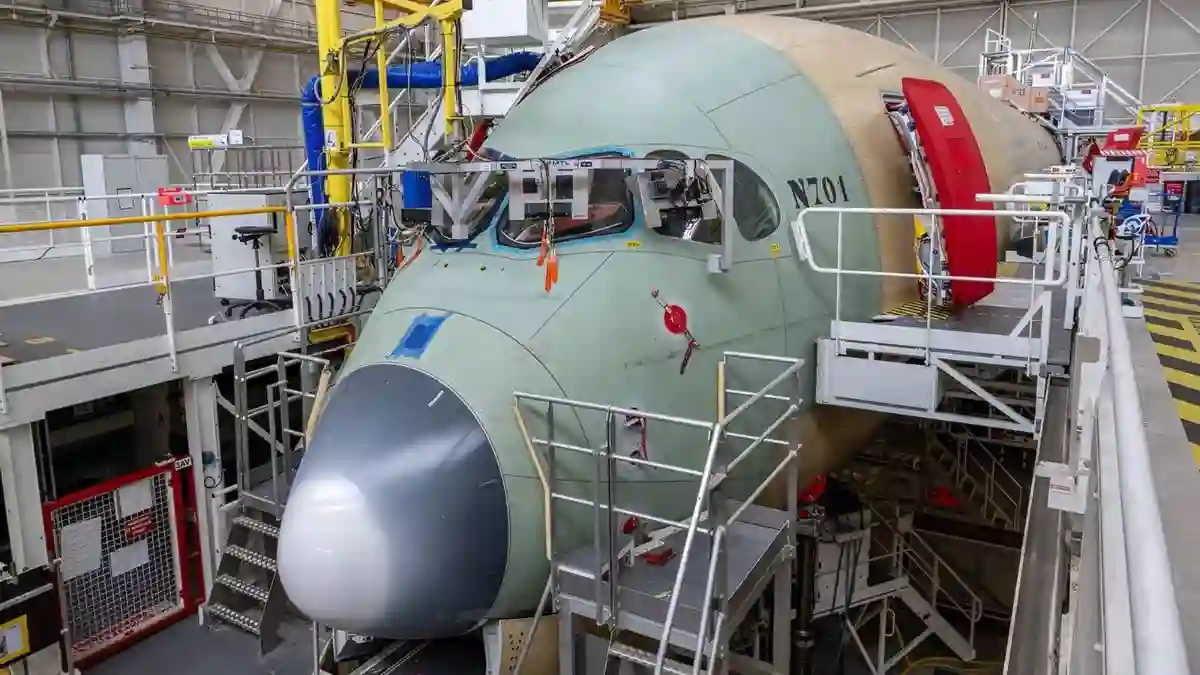
The first A350F entered construction in 2025, giving Airbus a physical aircraft on which to conduct the extensive ground and flight testing required before certification. The September target therefore reflects the culmination of several years of design development and manufacturing preparation rather than simply the final stages of an ordinary derivative program.
A350F Brings Composite Technology to the Freighter Market
One of the A350F’s biggest advantages is its use of the A350 family’s advanced composite structure. Around 30% of the aircraft incorporates advanced materials, including composite elements in areas such as the wings, fuselage panels and center wing box. This approach allows Airbus to reduce structural weight while maintaining the strength and rigidity needed for heavy cargo operations.
The aircraft is not a clean-sheet design, but its technology gives it an important distinction in the large-freighter market. Lower structural weight can translate into improved payload efficiency, reduced fuel consumption and potentially lower maintenance requirements. Airbus expects these characteristics to help the A350F deliver stronger economics throughout its operational life.
Airbus has indicated that the aircraft could provide customers with up to 65 additional revenue days over a 16-year service period compared with the Boeing 777-8F, based on expected maintenance advantages. Boeing would naturally have its own position on the comparison, but the underlying point is significant: modern freighters are increasingly being judged not simply by how much cargo they can carry, but by how efficiently they can generate revenue over decades of operation.
A350F Orders Show Strong Airline and Cargo Interest
The A350F has already attracted considerably more commercial interest than the older A330F. Airbus has secured 107 A350F orders, compared with only 38 orders and deliveries for the A330F. That difference suggests cargo operators see the newer aircraft as a much more compelling proposition in a market where fuel efficiency and long-term operating costs are becoming increasingly important.
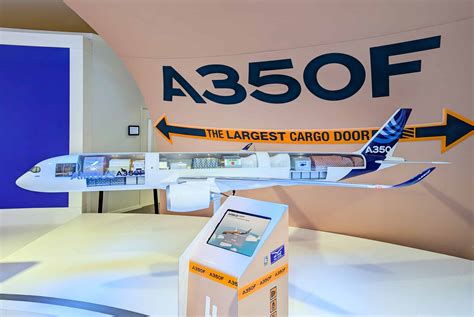
The largest individual order currently comes from Atlas Air, which ordered 20 aircraft in March 2026. The company is expected to become the largest A350F operator, with deliveries scheduled from 2029 through 2034. Atlas Air intends to use the aircraft to support fleet growth while replacing older 747-400 freighters as those aircraft eventually leave service.
Other major customers include Air China Cargo, AviLease, Etihad Airways and Starlux Airlines, each with 10 aircraft on order. Cathay Pacific and CMA CGM Air Cargo have ordered eight apiece, while Korean Air and Singapore Airlines each have seven. Turkish Airlines has also committed to five A350Fs, demonstrating the aircraft’s appeal across both dedicated cargo operators and passenger airlines with substantial freight businesses.
A350F vs. Boeing 777-8F: A New Cargo Battle
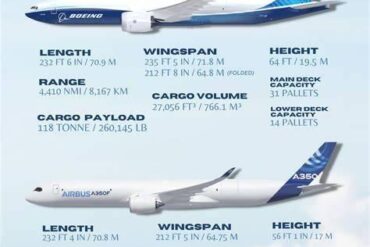
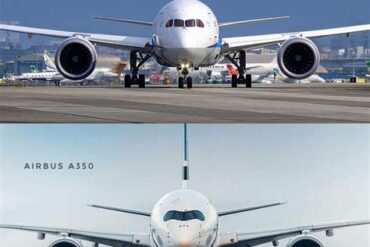
The A350F has been developed specifically to compete with the Boeing 777-8F, making the upcoming maiden flight strategically important beyond Airbus itself. Boeing has dominated the modern widebody freighter market for decades, but the transition toward newer, more efficient aircraft gives Airbus an opportunity to change the competitive balance.
The A350F is expected to offer around 20% better fuel efficiency and lower CO2 emissions, while Airbus has suggested that its fuel efficiency could be as much as 40% better than the 747F. Those improvements matter because fuel represents one of the largest variable expenses for long-haul cargo operators. Even modest efficiency gains can become substantial when multiplied across thousands of flight hours and many years of operation.
The aircraft also benefits from the established A350 platform, including the Rolls-Royce Trent XWB engine family. Airbus can therefore build upon technology already proven in passenger operations rather than developing an entirely new propulsion system from scratch.
Why the September 2026 Flight Matters
The A350F’s first flight will be more than a symbolic event. It will determine how much confidence Airbus can place in its 2027 delivery target and provide the first real opportunity to validate the aircraft’s performance in the air. Every successful test milestone will reduce uncertainty surrounding certification and production.
The program has already experienced schedule movement, so Airbus will need to maintain strong execution through the remaining development phase. A September flight would provide valuable time for testing before the planned first delivery in the second half of 2027, while an October slip would further compress the schedule.
If Airbus succeeds, the A350F could become one of the most important new cargo aircraft programs of the decade. Its combination of composite construction, modern engines, lower fuel consumption and A350 commonality gives operators a credible alternative to Boeing’s established freighter products. The first flight in September could therefore mark the beginning of a new chapter in the long-running battle for leadership in the global air cargo market.