Singapore Airlines has built a global reputation around premium service, and its business class cabin is a major part of that reputation. For travelers willing to spend thousands of dollars on a long-haul flight, the airline offers a combination of lie-flat seating, direct aisle access, premium dining, lounge access, and one of the industry’s better-known service standards. But there is no single answer to the question of how much a Singapore Airlines business class ticket costs in 2026.
The price can vary dramatically depending on the route, travel date, demand, fare type, and seat availability at the time of booking. A passenger traveling on a Boeing 777-300ER from Singapore to Europe could pay more than $9,000 for a one-way business class ticket on one date, while another traveler could find a ticket on a shorter regional route for less than $1,000. That enormous range makes the airline’s 777 business class fares particularly interesting.
At the 2025 Skytrax World Airline Awards, Singapore Airlines was named the world’s second-best airline for business class and the best in Asia. The carrier operates a large fleet that includes Airbus A350s, Airbus A380s, Boeing 737 MAX 8s, Boeing 777-300ERs, and Boeing 787-10 Dreamliners. Its 777-300ER remains an important aircraft for long-haul operations, particularly on routes connecting Singapore with Europe and other major international destinations.
Singapore Airlines Business Class Has No Fixed Ticket Price
The first thing passengers need to understand is that Singapore Airlines business class does not have a fixed price. The fare displayed for a particular flight is not permanently attached to the route or aircraft. Instead, Singapore Airlines uses sophisticated revenue management and dynamic pricing practices, allowing fares to move according to demand, inventory, booking patterns, and other commercial factors.
This means that two passengers sitting next to each other on the same Boeing 777-300ER may have paid very different prices. One traveler could have booked months in advance when a lower fare bucket was available, while another could have purchased a ticket shortly before departure when only a more expensive fare remained.
The route itself is also crucial. A flight connecting Singapore with a major European financial center can carry a very different price from a shorter Asian service. Corporate demand is especially important on routes where business travelers represent a significant share of premium-cabin passengers. London, Paris, and other major European destinations can therefore command substantially higher fares than destinations where premium leisure traffic is more dominant.
Travel dates create another major variable. Holidays, school vacations, major events, and periods of heavy international travel can push fares higher. Even the day of the week and the amount of remaining seat inventory can influence the price displayed by the airline.
The result is a business class market where the phrase “Singapore Airlines 777 business class price” should be treated as a range rather than a single number.
Singapore to London Can Cost More Than $9,000
The Singapore–London Heathrow route provides one of the clearest examples of how expensive a Singapore Airlines Boeing 777 business class ticket can become. The route covers approximately 6,764 miles (10,885 kilometers), making it the longest 777-operated route discussed in the fare data.
Singapore Airlines operates multiple daily services between Singapore Changi Airport and London Heathrow, using a combination of Airbus A380, Airbus A350-900, and Boeing 777-300ER aircraft. The 777-operated service departs Singapore at approximately 12:35 p.m. local time and arrives in London at around 7:30 p.m.
Fare checks made for 2026 showed substantial differences between travel dates. On September 30, the starting business class fare for the 777-operated service was approximately $7,780, equivalent to SGD 9,905.20 in the referenced fare data. On September 27, the same route could cost approximately $9,100.
That difference of more than $1,300 illustrates why travelers should avoid treating an airline’s advertised business class fare as a permanent price. The same aircraft type and route can produce a completely different fare depending on when the reservation is made and which inventory remains available.
Other dates produced even lower prices. On October 8, a business class ticket was available from approximately $5,944, while October 14 produced a Business Standard fare of about $4,816. A Business Flexi ticket on that same October 14 date cost approximately $6,460.
Singapore Airlines 777 Business Class Fares Across Europe
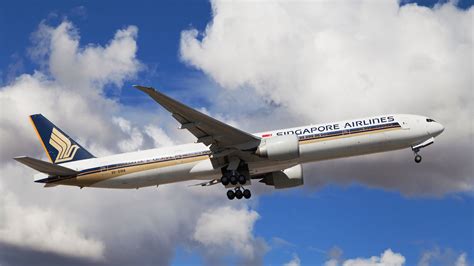
London is not the only destination where Singapore Airlines’ premium-cabin fares can reach several thousand dollars. The airline’s Boeing 777-300ER serves several major European markets, and the prices checked in September 2026 showed a wide spread between destinations.
A 777 business class ticket from Singapore to Paris Charles de Gaulle was approximately $7,967 on September 30. Amsterdam was significantly lower at around $4,900, while Zurich was approximately $4,550. Frankfurt was lower again, at about $4,480.
These figures demonstrate that distance alone does not determine the cost of a premium ticket. Airline pricing is influenced by the commercial characteristics of the route as well as the physical distance between the two airports. A shorter route can sometimes cost more than a longer one if demand for premium seats is stronger.
The Singapore–London example also shows how the fare family matters. Singapore Airlines offers Business Lite, Business Standard, and Business Flexi fares, with different conditions and pricing. The exact combination available to a passenger depends on the booking date and remaining inventory.
Business Flexi generally carries a higher price because of its greater flexibility, while lower fare options can provide a cheaper way into the same physical cabin when inventory is available. Therefore, travelers comparing prices should examine the conditions attached to the fare rather than looking only at the headline amount.
Asia and Australia Can Be Much Cheaper
The most dramatic differences appear when the Boeing 777 is used on shorter regional routes. The September 30, 2026 fare data showed that some Singapore Airlines business class tickets could be purchased for well under $2,000, with certain services costing close to $1,000.
A business class fare to Beijing was listed between approximately $1,640 and $2,751, while Shanghai fares fell within a similar broad range. Hong Kong was available for approximately $1,300 to $1,630. Jakarta was considerably cheaper, with fares starting at around $868 and reaching approximately $1,017.
These prices are a long way from the $7,000 to $9,000 fares found on some European services. The difference reflects the varying economics of each market. A passenger should therefore never assume that flying Singapore Airlines business class automatically means paying several thousand dollars.
The airline also operates its 777-300ER on services to Australia, New Zealand, and Japan. On the dates examined, Auckland carried a business class fare of approximately $6,360, while Sydney was around $5,140 and Melbourne approximately $5,128. Tokyo Narita and Tokyo Haneda were both around $4,905 based on the available fare information.
Singapore Airlines 777 Business Class Price Examples
The fare snapshot provides a useful picture of how widely prices can vary across the network. On September 30, 2026, the referenced business class fares included:
- London Heathrow: approximately $7,780
- Paris: approximately $7,967
- Amsterdam: approximately $4,900
- Zurich: approximately $4,550
- Frankfurt: approximately $4,480
- Auckland: approximately $6,360
- Sydney: approximately $5,140
- Melbourne: approximately $5,128
- Tokyo: approximately $4,905
- Beijing: approximately $1,640–$2,751
- Shanghai: approximately $1,665–$1,960 in the referenced fare range
- Hong Kong: approximately $1,300–$1,630
- Jakarta: approximately $868–$1,017
These figures should be viewed as fare snapshots rather than guaranteed prices. Airline inventory changes constantly, and the exact price available to a traveler can be different even when the route and aircraft remain unchanged.
How Many KrisFlyer Miles Are Needed?
Passengers do not necessarily have to pay cash for a Singapore Airlines 777 business class seat. Members of the airline’s KrisFlyer frequent-flyer program can also use miles for award tickets.
For destinations such as London, Paris, and Amsterdam, the referenced award levels require 108,500 KrisFlyer miles for a Business Saver award or 141,500 miles for a Business Advantage award. Regional destinations generally require fewer miles, with routes to places such as Beijing, Shanghai, and Jakarta falling into lower mileage bands.
Singapore Airlines has also introduced a third award category known as Access. Unlike Saver and Advantage awards, Access uses dynamic mileage pricing. The number of miles required can change depending on factors including availability, route, season, and cabin demand.
Access awards are linked more closely to commercial seat availability, which can make them available in situations where fixed-level award inventory is not offered. However, the trade-off is that the mileage requirement is not fixed.
For travelers who already have a substantial KrisFlyer balance, this creates another way to think about the cost of a premium flight. The cash price may be several thousand dollars, while the award price is expressed in miles plus applicable taxes and charges.
What Do You Get for the Price?
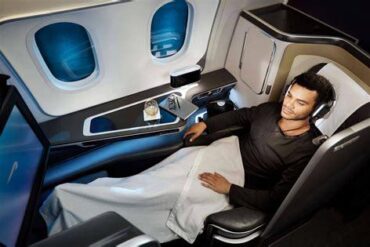
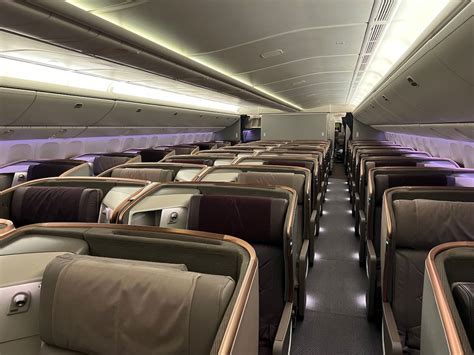
The reason passengers are willing to pay thousands of dollars for Singapore Airlines business class is not simply the name printed on the aircraft. The Boeing 777-300ER business class cabin offers a substantial amount of personal space and a fully flat sleeping surface.
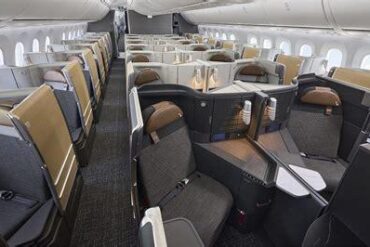
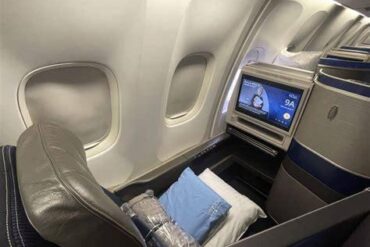
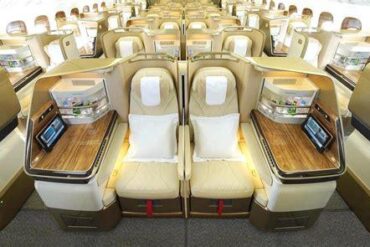
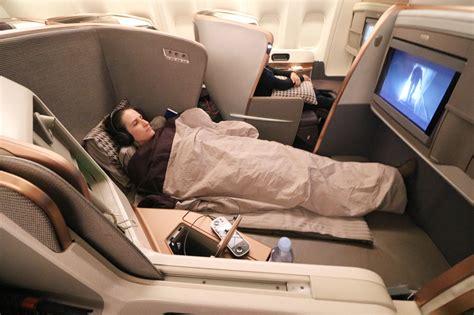
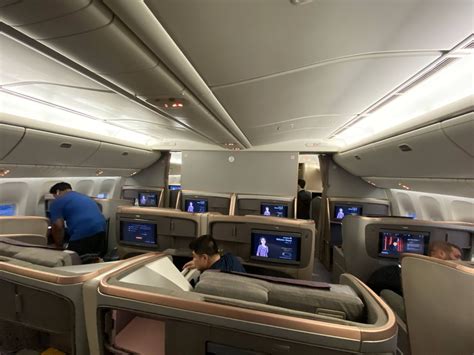
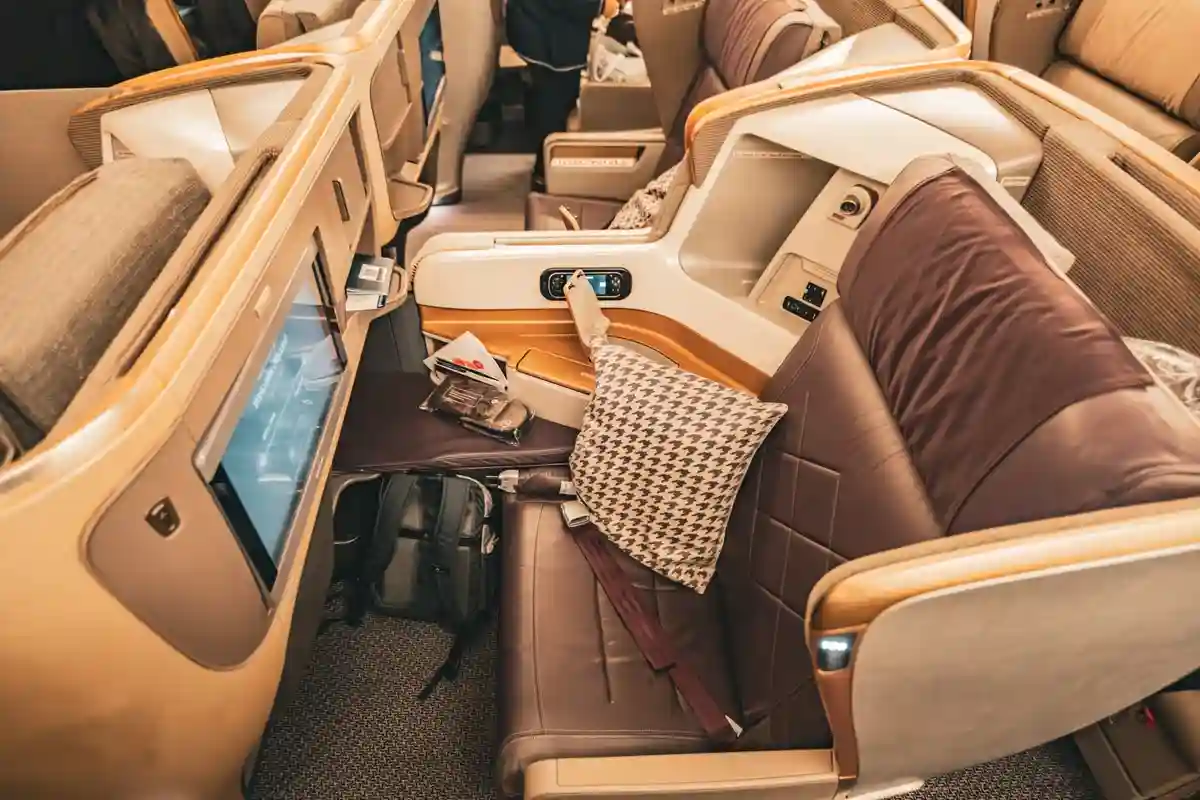
Singapore Airlines’ 777-300ER business class cabin contains 48 seats arranged in a 1-2-1 configuration. Every passenger therefore has direct access to the aisle, an important feature on overnight and long-haul flights.
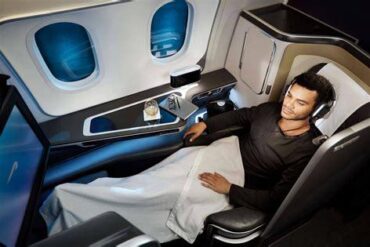
The seats are approximately 28 inches wide and convert into fully flat beds. The bed measures about 73 inches long, or approximately 78 inches when measured diagonally between the corners. A full-width footrest and storage space beneath the footwell add useful functionality during a long flight.
Each passenger also receives an 18-inch high-definition entertainment screen, controlled through a wired remote. The cabin provides the kind of space and privacy expected from a major international business class product, although there are no individual privacy doors on these seats.
That distinction is important because Singapore Airlines has historically reserved its more enclosed suite-style experience for first class, particularly on its Airbus A380. The 777 business class seat remains a conventional open business class design, albeit one with a generous footprint and direct aisle access.
The Boeing 777-300ER Is Being Replaced
There is another reason the Singapore Airlines 777 business class experience is particularly interesting in 2026: the aircraft is approaching the later stage of its career with the airline.
Singapore Airlines’ 777-300ER fleet has an average age of approximately 16.4 years, and the carrier plans to phase out the aircraft as Boeing 777X deliveries begin. Singapore Airlines has 31 Boeing 777-9 aircraft on order, and the new aircraft will introduce an entirely new business class product.
The next-generation cabin is expected to address several characteristics of the current 777-300ER seat. The existing seat converts into a fully flat bed, but its angled sleeping position is one of the unusual aspects of the design. The new 777-9 business class seats will use a more forward-facing arrangement, with a larger footwell directly in front of the passenger.
The new product is also expected to provide additional storage, a larger entertainment display, and a more contemporary premium-cabin environment. The development reflects the broader evolution of business class, where enclosed or semi-enclosed suites have become increasingly common.
For passengers booking the 777-300ER today, however, the current product remains the relevant one. The aircraft’s eventual replacement does not change the fare that appears for a particular flight in 2026.
What a Singapore Airlines 777 Ticket Really Costs
So, how much does a Singapore Airlines Boeing 777 business class ticket cost in 2026? The most accurate answer is that it depends heavily on where and when the passenger flies.
The referenced fares show a range from roughly $868 on certain shorter Asian routes to more than $9,000 on premium long-haul services. On major European routes, travelers should be prepared for fares in the several-thousand-dollar range, while regional flights can be dramatically less expensive.
London illustrates the volatility particularly well. The same 777 route produced business class fares ranging from approximately $4,816 to $9,100 across the dates examined. That is not a contradiction; it is the normal result of airline revenue management, different fare buckets, and changing seat availability.
For travelers paying cash, flexibility around travel dates can therefore have a major effect on the final price. For KrisFlyer members, award availability provides another avenue, although dynamic Access awards mean that mileage requirements can also move.
Ultimately, the price of a Singapore Airlines 777 business class ticket is best understood as a moving target rather than a fixed product price. The cabin itself remains consistent enough to deliver the expected premium experience, but the amount required to occupy one of those 48 seats can change substantially from one date, route, and fare bucket to another.