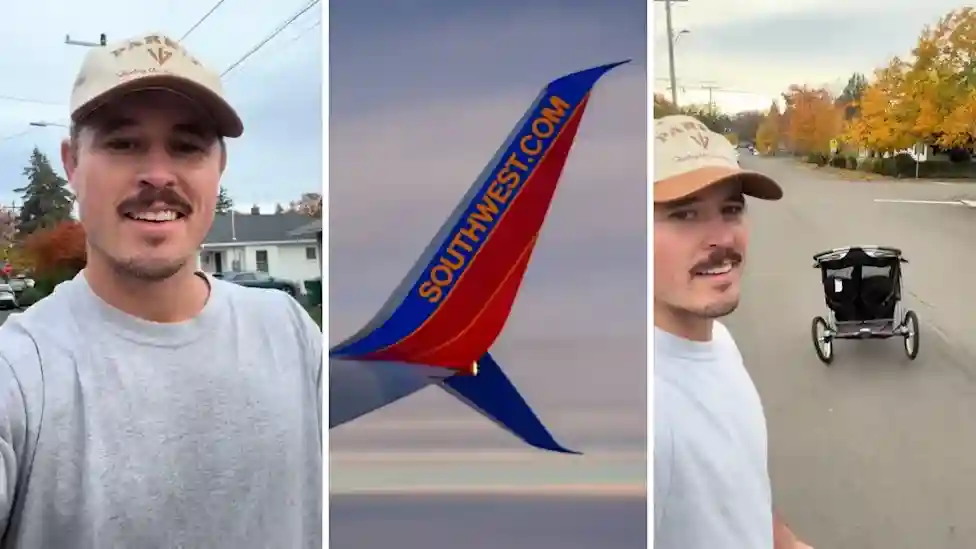
A viral TikTok complaint has turned a damaged double stroller into a national conversation about airline accountability, federal compensation rules, and what families with young children can realistically expect when checked items arrive broken.
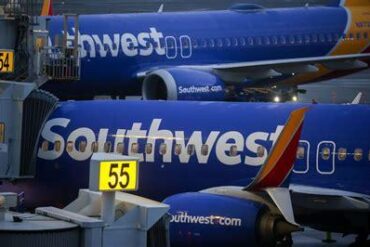
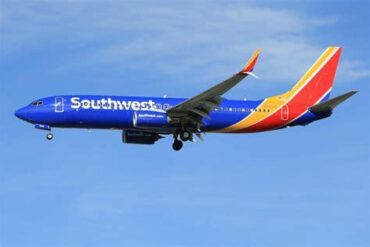
Jason Piquette, a father of twins, says his family’s double stroller was seriously damaged after a Southwest Airlines flight from North Carolina to Portland International Airport (PDX). The post caught attention not only because of the broken equipment, but because of what happened next: when Piquette contacted customer service, Southwest allegedly told him the airline only handles missing items and accepts no responsibility for damage to belongings. Simple Flying has reached out to Southwest for clarification.
The stroller now rolls on two crooked wheels and is unstable, which makes it unusable for twins who depend on it daily. For Piquette, the timing could not have been worse. The family had already been stretched financially, and the damage left them without a working stroller for a week-long trip in Oregon. The cost of repairing or replacing the equipment, he said, would be a real challenge for them to absorb.
What Happened to the Double Stroller on the Southwest Flight
Piquette documented the damage and the family’s frustration on TikTok, saying he had expected Southwest to offer the kind of customer service the airline has long built its brand around. Instead, the exchange left him convinced the carrier needed to “do better.” The post was also shared on the Piquette Twins’ Facebook page, where it spread far beyond the family’s immediate circle.
The episode has an obvious practical dimension. Families traveling with twins rely on a double stroller the way other travelers rely on luggage: as essential equipment, not a convenience. Losing that equipment at the start of a week-long trip means rethinking every outing, and Piquette shared another video showing that the stroller is regularly used for runs and daily outings at home, underlining how central it is to the family’s routine.
Southwest’s Baggage Damage Policy and Its Loopholes
Southwest’s online help center states that the airline is not responsible for baggage with manufacturer defects or for minor damage, a category the carrier describes as including wear and tear, dents, punctures, cuts, scuffs, stains, scratches, marks, and dirt. The airline does not specify what level of damage qualifies a passenger for compensation, leaving a gray zone that puts the burden of proof on travelers.
That ambiguity matters in a case like Piquette’s. Two crooked wheels might sound minor in a policy document, yet for a double stroller they can render the entire item unusable. The gap between “scuffs and scratches” and “not safe to push two toddlers in” is exactly where disputes like this one land, and carriers rarely spell out where they draw the line.
Federal Rules Say Airlines Owe Up to $4,700 for Damaged Bags
The Department of Transportation (DOT) takes a firmer position than Southwest’s help center suggests. Under federal rules, airlines are responsible for compensation of up to $4,700 when damage occurs while baggage is under an airline’s control, and that liability explicitly covers wheels, handles, straps, and other parts of the item.
The DOT does not, however, absolve airlines in every scenario: carriers may contest claims when damage predates the trip or when the item was not properly packed. For strollers, which are typically gate-checked and handled multiple times between the jet bridge and the cargo hold, that edge of the rule is doing a lot of work, and travelers who do not document the item’s condition before departure can find themselves arguing from a weak position.
The Financial and Emotional Toll on Traveling Families
Piquette’s post resonated because it framed the damage as more than an inconvenience. “Families and individuals’ lives can be changed when something like this is broken, and Southwest just doesn’t care,” he said. “I don’t think we should stand for that kind of thing.” The response from viewers has been concrete: donations of up to $400 to help the family buy a new stroller when they return to North Carolina, and an offer from another viewer to lend the family a stroller for the duration of their Oregon visit.
That outpouring of support highlights a broader frustration. When a large company declines liability over a piece of equipment that costs a family several hundred dollars, the burden shifts to strangers on the internet, and travelers increasingly treat social media as the fastest route to being heard.
Steps to Take If a Stroller or Bag Is Damaged in Flight
Travelers who find damage should act immediately rather than waiting until they get home. Visit the airline’s baggage service desk or file a report online before leaving the terminal, and take clear photos or videos of the damage, including broken wheels, handles, zippers, and structural cracks, while the bag tag remains attached for evidence. Southwest requires damaged or lost baggage reports at its Baggage Service Office within 24 hours of the last flight, a window that leaves little room for delay after a delayed arrival or a late-night landing.
Keeping receipts and the original purchase record helps substantiate value, and escalating to the DOT when a carrier refuses a legitimate claim remains an option. For families traveling with strollers, photographing the item intact before handing it over is the simplest insurance against a dispute later, and knowing the $4,700 federal ceiling gives travelers a concrete number to cite when a counter agent insists the airline only handles missing items.