Directors and Officers (D&O) liability insurance is not a luxury—it is an essential pillar of corporate risk management, safeguarding both organizational reputation and the personal assets of key decision-makers. As litigation risks evolve and stakeholder scrutiny intensifies, companies must understand this specialized insurance product in precise detail to make sound, defensive choices.
Understanding the Core Purpose of D&O Insurance
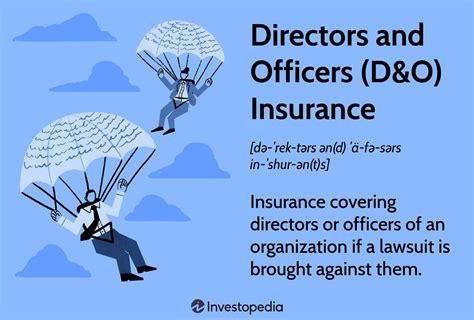
Directors and officers insurance provides financial protection for corporate leaders who may face personal lawsuits stemming from decisions made in their professional roles. These individuals, including CEOs, CFOs, board members, and trustees, are often held accountable for alleged breaches of fiduciary duties, errors in judgment, omissions, misstatements, and regulatory violations.
When a claim arises, D&O insurance can cover legal defense costs, settlements, and judgments. Importantly, these lawsuits may originate from shareholders, employees, regulators, competitors, vendors, or customers—highlighting the broad and sometimes unpredictable exposure faced by leadership teams.

Who Needs D&O Insurance? From Startups to Multinationals
Every company with a board of directors—regardless of size, sector, or maturity—should strongly consider D&O insurance. While large publicly traded firms are the obvious targets for shareholder lawsuits, private companies and nonprofits are not immune. According to Chubb’s Private Company Risk Survey, over 25% of private companies reported experiencing a D&O loss within a three-year period, with 96% of those cases causing financial damage.
For small businesses, D&O insurance offers crucial protection against costly claims that could otherwise cripple limited budgets. Private companies face unique threats, such as vendor disputes, customer complaints, and regulatory infractions. With fewer internal resources to absorb legal shocks, small firms often benefit the most from robust executive liability coverage.
How D&O Insurance Works: A Policy Breakdown
Most D&O policies consist of three distinct sections known as Side A, Side B, and Side C coverage. Each section targets a different dimension of risk:
- Side A Coverage: Protects individual directors and officers when the company cannot or will not indemnify them. This includes scenarios such as bankruptcy or internal conflict.
- Side B Coverage: Reimburses the company when it has indemnified its executives. It supports the organization’s cash flow by reducing the financial impact of legal fees and settlements.
- Side C Coverage (Entity Coverage): Extends protection to the company itself, covering claims made directly against the organization. Particularly relevant in securities litigation for public companies, Side C protects the balance sheet.
The exact blend of these coverage types is determined by the organization’s structure, industry, financial strength, and risk appetite. Policies can also be tailored to include additional provisions for employment practices liability, regulatory investigations, and mergers and acquisitions activity.
Common Risk Scenarios Leading to D&O Claims
Claims covered by D&O insurance stem from a wide range of allegations, many of which are not directly tied to malfeasance but to perceived leadership failure. Some of the most frequent triggers include:
- Breaches of fiduciary duty
- Inadequate or misleading financial disclosures
- Misrepresentation to investors or regulators
- Errors in merger or acquisition execution
- Employment practices violations
- Bankruptcy-related mismanagement
- Neglect of corporate governance responsibilities
In many cases, claims emerge from unintentional oversight or organizational breakdowns. However, D&O insurance does not cover fraudulent or criminal activity. Most policies also include an insured vs. insured exclusion, which prevents coverage in disputes between directors or officers within the same company.

How the D&O Claims Process Works
The claims process under a D&O policy begins when an allegation or lawsuit is filed against a covered executive. The organization must notify its insurance broker or carrier immediately. The insurer will then evaluate the claim against policy terms.
If the claim falls within coverage, the insurer typically advances defense costs, which are often the most substantial portion of financial exposure. If the case is resolved via settlement or judgment, the insurer pays the applicable amount—up to the policy limits, after any deductibles or retentions.
Timely notice, precise documentation, and experienced counsel are critical throughout this process. Policies are written on a claims-made basis, meaning coverage is only triggered if both the incident and the claim occur during the policy period or the extended reporting window.
Tailoring Coverage to Fit the Organization’s Profile
No two businesses face the same governance risks. Industry, corporate structure, geographic scope, and history of litigation all influence policy design. For example:
- Tech startups may require robust coverage for investor disputes or data privacy lapses.
- Financial institutions often face stricter regulatory enforcement and require broader Side C protection.
- Nonprofits may seek lower limits but value Side A heavily due to indemnification restrictions.
D&O underwriters evaluate financial statements, corporate bylaws, past claims, executive compensation, and board structure when pricing policies. Companies with transparent governance, strong internal controls, and clean litigation histories typically pay less.
Cost Considerations: Premiums, Limits, and Retentions
The cost of D&O insurance can vary significantly. According to Insureon, the median premium for small and midsize businesses is around $1,240 annually, but coverage costs for larger or higher-risk firms can reach six figures.
Pricing depends on:
- Company size and annual revenue
- Industry-specific risk factors
- Claims history and legal environment
- Requested limits of liability
- Retention or deductible amounts
Organizations must balance premium cost against the maximum limits of liability they want to secure. It’s common for firms to stack policies from multiple insurers in layers, especially when higher limits are needed.
Important Legal and Regulatory Considerations
D&O coverage intersects with both federal securities law and state-level corporate law. For public companies in the U.S., the Securities Act of 1933 and the Securities Exchange Act of 1934 impose strict disclosure requirements. Directors and officers are expected to exercise due diligence and uphold fiduciary duties to shareholders.
Some jurisdictions place limits on indemnification, making Side A coverage especially vital. Many policies now include severability clauses, which prevent the misconduct of one insured party from voiding coverage for others. However, courts interpret these clauses differently, and some may still allow insurers to deny coverage based on material misrepresentation.
Why D&O Insurance Is a Strategic Investment
In today’s litigious and volatile business climate, D&O insurance is more than a safety net—it is a strategic tool that enables leadership to make bold decisions without paralyzing fear of personal financial loss. Having comprehensive D&O coverage in place demonstrates governance maturity and can enhance credibility with lenders, investors, and regulators.
Moreover, the presence of a strong D&O program can influence board recruitment, ensuring that top-tier candidates are willing to serve. It reassures stakeholders that the organization is committed to accountability and resilience.
Conclusion: Aligning Protection With Responsibility
As regulatory landscapes grow more complex and stakeholder expectations rise, companies must not treat D&O insurance as an afterthought. It must be customized, actively managed, and reviewed regularly to ensure alignment with the firm’s evolving risk profile.
For organizations with a leadership team or board of directors, D&O insurance is not optional—it is foundational. It protects decision-makers, stabilizes operations during litigation, and ultimately fortifies the corporate mission.
FAQs
What does D&O insurance cover?
D&O insurance typically covers defense costs, settlements, and legal judgments arising from claims of mismanagement, breach of fiduciary duty, misrepresentation, and regulatory violations.
Does D&O insurance cover fraud?
No. Most D&O policies explicitly exclude coverage for fraud, criminal acts, and illegal profits. If fraud is proven, coverage is typically denied retroactively.
Is D&O insurance necessary for private companies?
Yes. Private companies face significant D&O risks from vendors, customers, employees, and regulators. With fewer internal resources, D&O coverage is essential for protecting leadership and business continuity.
How do I choose the right D&O policy?
Begin by assessing your company’s exposure. Consider industry, governance complexity, investor presence, and regulatory environment. Work with experienced brokers to craft a policy with appropriate limits, side coverage (A, B, C), and exclusions tailored to your risk profile.