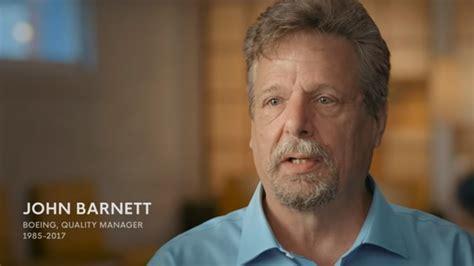
The story of John Barnett, the former Boeing quality manager who raised serious concerns about aircraft production practices, is returning to public attention through Netflix’s upcoming documentary “Freefall: A Reckoning for Boeing.” The 93-minute film continues filmmaker Rory Kennedy’s investigation into Boeing’s corporate culture, examining allegations that financial pressures and production goals may have affected safety standards.
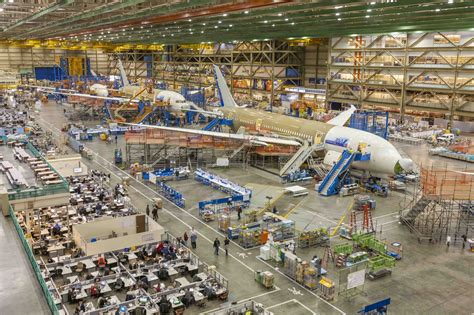
The documentary follows Barnett’s warnings about quality issues at Boeing’s 787 Dreamliner manufacturing facility in Charleston, South Carolina, where he worked after a long career with the company. His claims placed him at the center of a broader debate about whether internal employees had sufficient protection when raising concerns about aircraft safety.
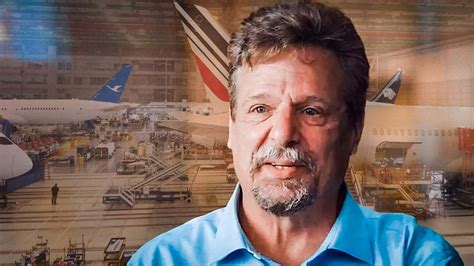
Barnett spent more than three decades at Boeing, working as a quality manager from 1985 until his retirement in 2017. During that time, he became increasingly concerned about manufacturing practices and what he described as a declining safety culture. His statements later inspired other Boeing employees and former workers to share similar concerns about production pressures and quality control procedures.
The documentary features accounts from Boeing personnel who claim they faced retaliation after speaking openly about safety issues. Some former employees described hostile workplace experiences, including allegations of intimidation after raising concerns. These testimonies form part of a larger examination of how major aerospace manufacturers manage internal quality reporting.
John Barnett’s Safety Concerns and Boeing Production Controversies
One of Barnett’s most significant warnings involved aircraft emergency systems. He claimed that some oxygen systems installed on Boeing aircraft could contain defective components and might fail during an emergency. His concerns became part of the wider discussion about manufacturing oversight and whether reported problems were being properly addressed.
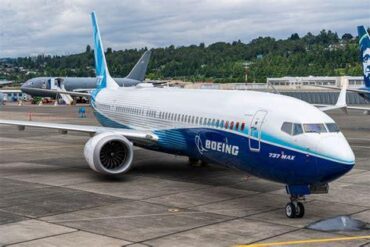
In January 2024, attention returned to Boeing safety issues after an Alaska Airlines Boeing 737 MAX 9 experienced a door plug separation shortly after takeoff from Portland. The aircraft’s door plug detached at approximately 16,000 feet, creating a serious cabin pressure incident. Investigations later focused on installation and manufacturing processes, while passengers and crew described emergency equipment concerns during the event.
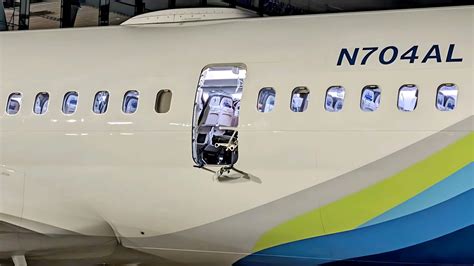
The incident intensified public scrutiny of Boeing’s production system. Airlines conducting inspections of their own MAX 9 fleets reported findings related to door plug installation, raising questions about quality control procedures across the manufacturing and delivery process.
Boeing has faced multiple safety challenges in recent years, including the aftermath of two fatal 737 MAX crashes that resulted in hundreds of deaths and led to worldwide regulatory reviews. These events significantly damaged public confidence in the company and became the focus of the earlier Netflix documentary “Downfall: The Case Against Boeing.”
From “Downfall” to “Freefall”: Netflix’s Continued Boeing Investigation
“Freefall: A Reckoning for Boeing” serves as a follow-up to “Downfall: The Case Against Boeing,” which examined the development of the 737 MAX, corporate decision-making, and the relationship between profitability and safety.
The earlier documentary explored how Boeing’s efforts to compete with European aircraft manufacturer Airbus contributed to internal pressures surrounding aircraft development. It included interviews with industry experts, investigators, and former employees who criticized the company’s approach to engineering and certification.
“Downfall” received significant attention for its investigative reporting and became one of Netflix’s most discussed aviation documentaries. The new film expands the investigation by focusing on Barnett’s experience, his allegations, and the broader concerns raised by current and former Boeing workers.
The Death of John Barnett and Public Reaction
In March 2024, John Barnett was found dead in Charleston, South Carolina, while involved in a legal process connected to his former employer. He had been scheduled to continue a deposition related to allegations involving Boeing before failing to appear.
Authorities later confirmed that Barnett died from a self-inflicted gunshot wound. The Charleston Police Department and the county coroner classified the death as suicide after investigating the circumstances. Despite official findings, the case generated widespread speculation online, with conspiracy theories suggesting foul play. Those claims have not been supported by evidence.
Barnett’s death added another layer of attention to his previous safety concerns. His supporters argued that his warnings represented the experiences of employees who felt pressured when reporting manufacturing problems, while Boeing maintained that it continues to focus on improving safety and quality processes.
Boeing Safety Debate Continues After Whistleblower Allegations
The release of “Freefall: A Reckoning for Boeing” arrives during a period of intense examination of the aerospace industry. The documentary does not only focus on one individual but explores broader questions about corporate accountability, employee protections, and the challenges of maintaining safety standards in complex aircraft manufacturing.
John Barnett’s legacy remains closely connected to the ongoing conversation about whistleblowers in aviation. His case highlights the importance of internal reporting systems and the role employees play in identifying potential risks before they become larger problems.
As Boeing continues efforts to rebuild trust with airlines, regulators, and passengers, the documentary places renewed attention on whether lessons from past controversies have been fully addressed. For many viewers, Barnett’s story represents a larger discussion about the balance between production efficiency, business performance, and the responsibility to protect aviation safety.