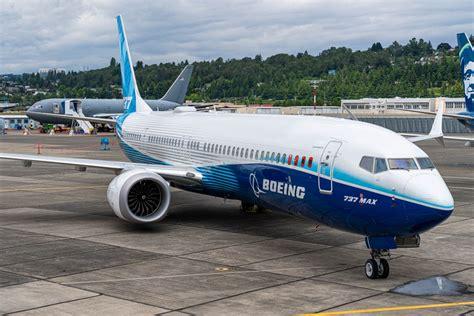
The Boeing 737 MAX has reached a historic milestone, becoming the best-selling aircraft in Boeing’s long commercial aviation history with an order backlog of 7,206 aircraft across all variants. The achievement marks a major turning point for the manufacturer, which has spent years recovering from operational challenges, production disruptions, and the global grounding crisis that affected the aircraft family after two tragic accidents.
The milestone arrives as Boeing prepares for the final certification stages of the 737 MAX 7 and MAX 10, two important additions that will complete the current MAX lineup. With these variants approaching entry into service, Boeing’s narrowbody aircraft program is entering a new phase of maturity after more than a decade of development, setbacks, and restructuring.
The sales achievement is especially significant because the 737 MAX was not simply designed as another aircraft upgrade. It was created as Boeing’s response to increasing competition in the single-aisle market, particularly from the Airbus A320neo family. The aircraft introduced improved fuel efficiency, updated engines, and aerodynamic improvements while maintaining the familiar 737 platform that airlines around the world already understood.
Boeing 737 MAX Production Recovery Signals a New Chapter
The path to becoming Boeing’s best-selling aircraft has not been straightforward. The 737 MAX entered commercial service in 2017, quickly attracting strong airline interest because of its lower operating costs and improved efficiency. However, the aircraft’s reputation was severely damaged following the crashes of Lion Air Flight 610 and Ethiopian Airlines Flight 302, which resulted in the deaths of 346 people.
Investigations identified problems involving the Maneuvering Characteristics Augmentation System (MCAS), an automated flight-control system designed to improve handling characteristics. Following the accidents, the aircraft experienced a worldwide grounding lasting approximately 20 months, becoming one of the longest fleet groundings in modern aviation history.
Boeing responded with extensive modifications to the aircraft’s software, training requirements, and certification processes. The company also began a broader transformation of its manufacturing approach, focusing on improved quality control, stronger supplier oversight, and a renewed emphasis on safety throughout its production system.
The recovery process has required significant financial investment. Boeing has estimated that the crisis cost the company billions of dollars, affecting deliveries, customer confidence, and overall business performance. Despite these challenges, the growing 737 MAX backlog demonstrates that airlines continue to see strong value in the aircraft’s efficiency and global support network.
Manufacturing Changes Help Boeing Restore Confidence
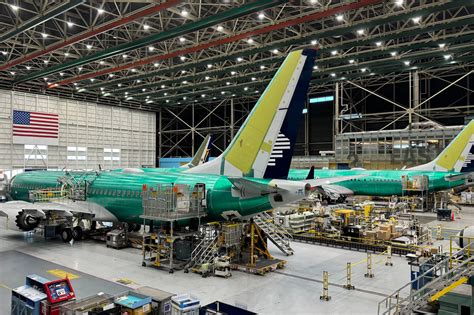
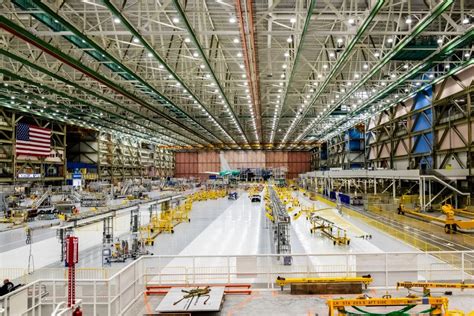
Boeing’s return to stronger production levels has involved major changes across its industrial operations. The company has worked to stabilize its supply chain, improve factory processes, and increase manufacturing consistency as demand for new aircraft continues to rise.
One major step has been Boeing’s increased involvement with Spirit AeroSystems, a supplier responsible for producing significant portions of aircraft structures. The relationship became a major focus after quality concerns involving the 737 MAX fuselage, including the 2024 Alaska Airlines door plug incident. Boeing’s efforts to regain greater control over production quality reflect the company’s broader attempt to rebuild confidence among airlines, regulators, and passengers.
Boeing has also expanded its manufacturing capabilities with investments in advanced production facilities. The company received regulatory approval to increase its 737 MAX delivery rate, with plans to gradually raise output toward higher monthly production targets. Higher production capacity will be essential as Boeing works through its substantial backlog and strengthens its position in the global aircraft market.
Airbus A320neo Family Remains Boeing’s Biggest Rival
Although the 737 MAX has achieved a historic sales record for Boeing, the aircraft still faces intense competition from Airbus. The European manufacturer’s A320neo family has transformed the single-aisle market and currently holds a larger overall order backlog.
The A320 family became the world’s most-delivered commercial aircraft type after Airbus surpassed Boeing’s previous records. The A320neo family has accumulated more than 12,000 orders, while the A321neo alone has attracted thousands of commitments from airlines seeking larger-capacity narrowbody aircraft.
Boeing’s challenge is not only generating new orders but also increasing delivery speed. A strong backlog provides long-term stability, but manufacturers must successfully produce and deliver aircraft to convert those orders into revenue.
The competition between Boeing and Airbus continues to shape the future of global aviation. Airlines are demanding aircraft that provide greater efficiency, lower emissions, and reliable operations, making production capability just as important as aircraft design.
The 737 MAX Becomes a Symbol of Boeing’s Recovery
The achievement of 7,206 orders represents more than a sales record. It reflects Boeing’s attempt to restore the reputation of one of its most important aircraft programs. The 737 family has been a cornerstone of commercial aviation for decades, connecting millions of passengers and supporting airlines worldwide.
The 737 MAX’s journey from crisis to record-breaking order levels highlights both the resilience of Boeing’s narrowbody business and the importance of maintaining the highest standards in aircraft development and manufacturing.
As Boeing continues increasing production and completing the MAX family lineup, the aircraft will play a central role in the company’s future. The milestone proves that despite past challenges, the 737 MAX has become a defining chapter in Boeing’s commercial aviation history.