For decades, the battle between Boeing and Airbus has defined the commercial aviation industry, with both manufacturers fiercely competing for market dominance. This rivalry extends not only to innovation and technology but also to raw sales figures. In the realm of narrowbody jets, the two contenders are clear: Boeing’s iconic 737 family and Airbus’s modern A320 family. As of 2025, the question looms larger than ever: which aircraft is the best-selling commercial jet of all time?
The Long Reign of the Boeing 737
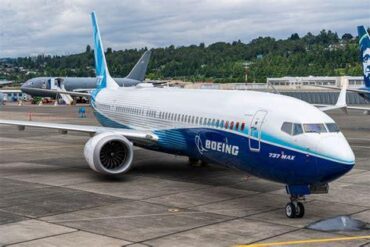
Since its first flight in 1967 and commercial debut in 1968, the Boeing 737 has dominated airline fleets worldwide. Over the decades, Boeing continuously evolved its workhorse, introducing variants like the 737 Classic, 737 Next Generation (NG), and more recently, the 737 MAX series. By June 2025, Boeing has delivered a total of 12,134 units across all 737 variants.
Boeing’s long-standing dominance can largely be attributed to its 20-year head start. By the time Airbus introduced the A320 in 1988, the 737 was already entrenched globally. Its older design, however, has presented challenges. The 737’s lower ground clearance and original configuration for smaller engines became a significant handicap during the 737 MAX development, leading to design compromises that contributed to the MAX crisis following the 2018 and 2019 accidents. Since then, Boeing’s delivery rates have suffered considerably.
The Airbus A320’s Rapid Rise
Launched in 1988, the Airbus A320 family—including the A318, A319, A320ceo, A320neo, A321ceo, and A321neo—quickly gained traction due to its modern fly-by-wire technology, efficiency, and cabin comfort. As of June 2025, Airbus has delivered 12,097 A320 family aircraft, putting it just 37 units shy of overtaking Boeing’s 737.
The turning point began in the late 2010s. After the 737 MAX grounding, Airbus seized the opportunity, consistently outpacing Boeing’s deliveries year after year. Even as Boeing attempted recovery, Airbus maintained a steady climb in both production and sales. In 2024, Boeing delivered just 265 737s, while Airbus shipped an impressive 602 A320 family aircraft.
Comparative Analysis: Deliveries Over the Last 7 Years
- 2018: Boeing – 580 | Airbus – 626
- 2019: Boeing – 127 | Airbus – 642
- 2020: Boeing – 43 | Airbus – 446
- 2021: Boeing – 263 | Airbus – 483
- 2022: Boeing – 387 | Airbus – 516
- 2023: Boeing – 396 | Airbus – 571
- 2024: Boeing – 265 | Airbus – 602
Each successive year underscores Airbus’s rising dominance, fueled by consistent production capacity and strategic market expansion.
2025 Deliveries: The Deciding Year?
In the first half of 2025, Airbus has delivered 232 A320 family aircraft, while Boeing has delivered 209 units of its 737 series. This leaves only 37 deliveries separating the two giants. Given Airbus’s current production rates and backlog, it is highly probable that the A320 family will officially surpass the 737 in cumulative deliveries by the end of 2025.
Backlogs: A Clear Future Advantage for Airbus
Airbus holds a distinct advantage in future sales potential, thanks to its massive backlog:
- Boeing 737 MAX backlog: 4,873 units
- Airbus A320neo backlog: 7,179 units
Overall, Airbus has a total of 19,276 sales (orders plus deliveries) for its A320 family, while Boeing’s 737 family stands at 17,007. This gives Airbus a lead of over 2,200 units, a gap unlikely to close in the foreseeable future.
Contributing to Airbus’s success is the versatile A321XLR, now in service since 2024, allowing the A320 family to expand into longer-range, mid-sized routes previously served by aircraft like the Boeing 757. Boeing, meanwhile, continues to struggle with certifying its 737 MAX 7 and MAX 10 variants, limiting its flexibility.
Widebody Aircraft: Boeing’s Fortress
While Airbus leads in narrowbodies, Boeing retains the crown in widebody aircraft. Notable Boeing widebody figures as of mid-2025 include:
- Boeing 777: 2,377 units sold (delivered and on order)
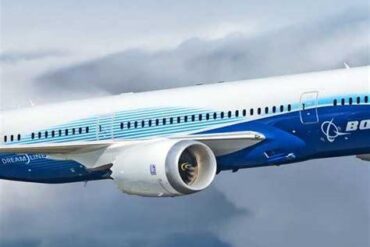
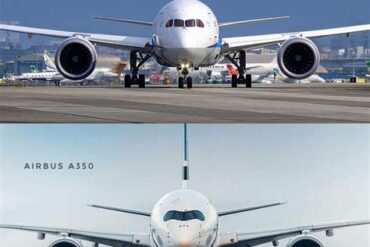
- Boeing 787 Dreamliner: 2,199 units sold
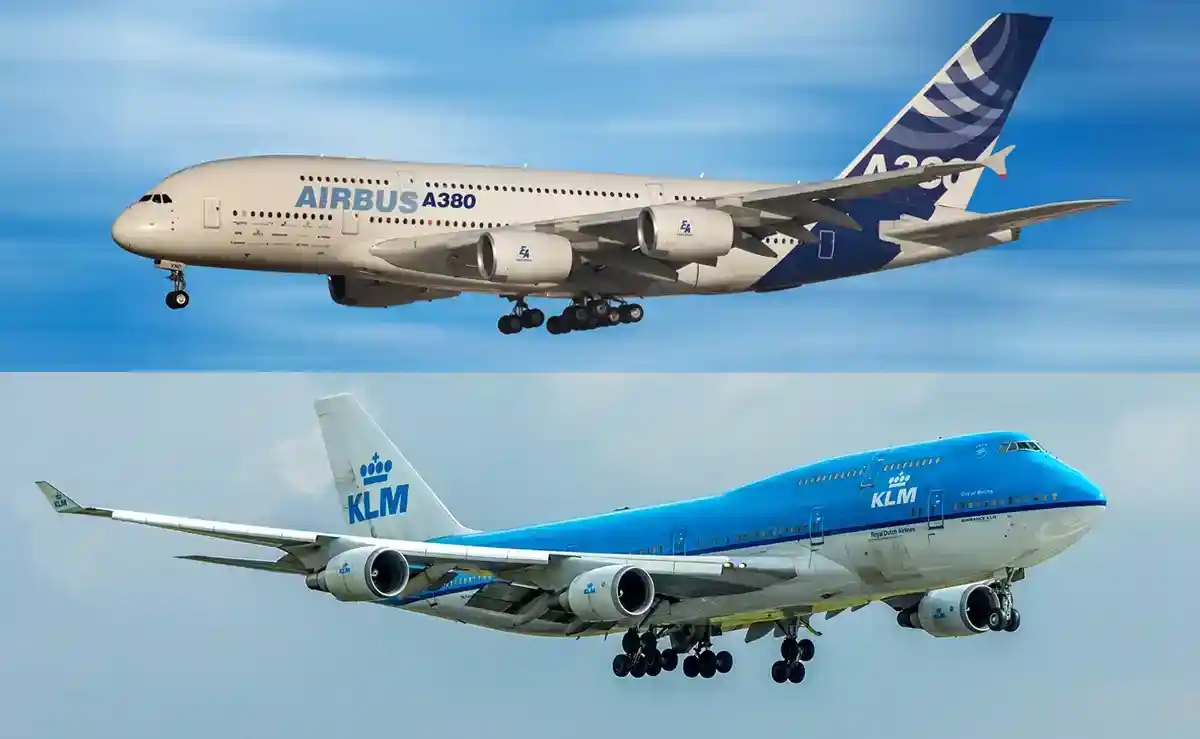
- Boeing 747: 1,574 units delivered
In contrast, Airbus’s top widebody models are:
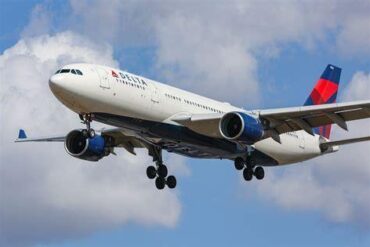
- Airbus A330: 1,918 units sold
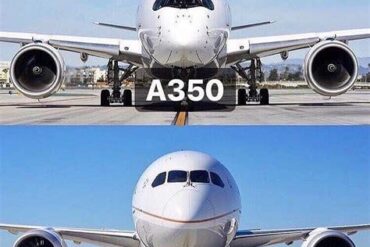
- Airbus A350: 1,429 units sold
Boeing’s dominance in the long-haul, twin-aisle segment remains unchallenged, especially with the Dreamliner’s large backlog.
Is The COMAC C919 A Threat?
Emerging competitors, such as China’s COMAC C919, pose future challenges but remain regional players for now. With approximately 1,000 orders, mostly from Chinese airlines, the C919’s production and global acceptance face hurdles due to US sanctions and tariffs. For the foreseeable future, Boeing and Airbus remain the sole global duopoly in the narrowbody market.
The Final Verdict: The A320 Takes The Crown
Considering all metrics—deliveries, orders, and backlog—the Airbus A320 family is now the best-selling commercial aircraft of all time. Boeing’s 737 retains a narrow edge in cumulative deliveries, but that is expected to vanish imminently. Factoring in firm orders, Airbus’s lead is undeniable.
Despite Boeing’s rich legacy and leadership in the widebody sector, the narrowbody segment is the primary battlefield where airlines seek efficient, short-to-medium-haul aircraft. Here, Airbus has outmaneuvered Boeing, capitalizing on production stability, innovative designs like the A321XLR, and a consistently expanding global footprint.
By the close of 2025, the Airbus A320 family is poised to claim, unequivocally, the title of the best-selling jet in aviation history.