The San Francisco–Singapore route has always been more than a long flight between two major cities. At roughly 8,448 miles, it is one of the world’s defining ultra-long-haul markets, linking two centers of technology, finance, and international business. For airlines, the route demands exceptional aircraft performance, careful capacity planning, and a premium cabin strong enough to justify the enormous cost of keeping an aircraft in the air for more than 16 hours.
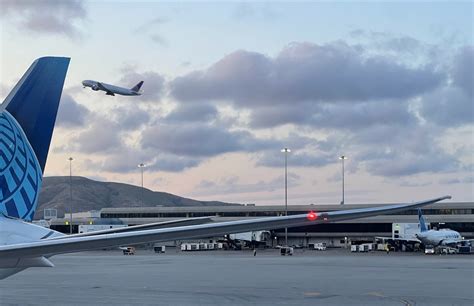
For years, Singapore Airlines has enjoyed the psychological advantage. Its Airbus A350-900ULR has become almost synonymous with the route, while its reputation for polished service, sophisticated dining, and premium comfort has made it a benchmark for long-haul travel. Yet the 2026 competitive picture is producing an intriguing reversal. United Airlines is not necessarily beating Singapore Airlines at its own game. Instead, it is changing the game by offering something increasingly valuable: more business class seats.
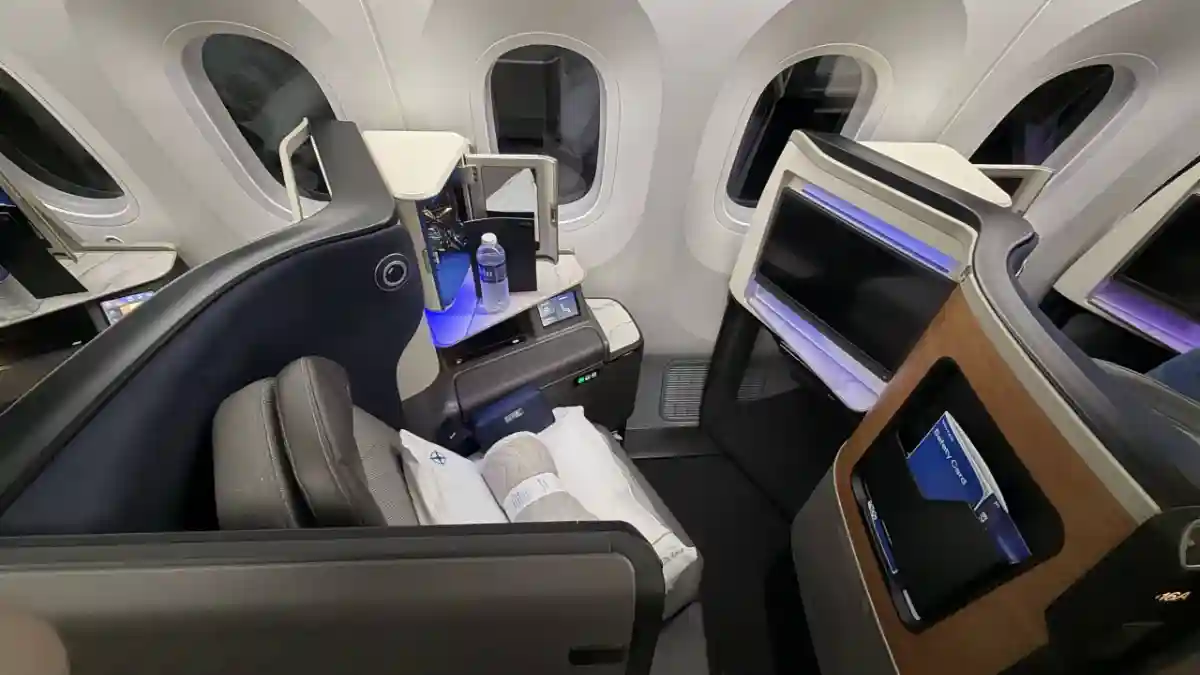
That distinction matters. On an ultra-long-haul route, luxury is important, but availability can be just as decisive. United’s upgraded Boeing 787-9, fitted with its new Elevated interior and Polaris 2.0 product, is giving the airline a larger pool of premium inventory. Once all 14 weekly San Francisco–Singapore frequencies receive the new configuration, United is expected to offer approximately 1,792 Polaris business class seats per week, compared with about 1,526 business class seats offered by Singapore Airlines. The difference is not enormous, but it is strategically significant.
Why San Francisco–Singapore Matters So Much
The SFO–SIN market sits at the intersection of several forces that make it unusually valuable. San Francisco is a major gateway for technology companies, venture capital, finance, and multinational business, while Singapore serves as a critical commercial and regional headquarters center for companies operating across Southeast Asia. A nonstop flight removes the time and uncertainty associated with connecting elsewhere, making it particularly attractive to passengers whose schedules are worth more than the fare itself.
This is why the aircraft choices made by United and Singapore Airlines are so revealing. Neither carrier has treated the route like an ordinary transpacific service. Singapore Airlines chose an aircraft and cabin designed specifically around ultra-long-haul premium demand. United has taken a more flexible platform and turned it into a premium-heavy workhorse. The result is a contest between exclusivity and scale.
Singapore Airlines’ A350-900ULR Remains a Premium Specialist
Singapore Airlines’ Airbus A350-900ULR is one of the most distinctive aircraft configurations in the long-haul market. Its modified fuel system can accommodate around 165,000 liters of fuel, enabling the aircraft to handle missions that demand exceptional range. Rather than filling the cabin with a large number of economy passengers, Singapore Airlines built the aircraft around travelers who are willing to pay more for comfort.
The SFO–SIN A350-900ULR configuration contains only 161 seats: 67 in business class and 94 in premium economy. There is no conventional economy cabin. That decision changes the character of the entire aircraft. Instead of using the airplane to maximize the number of people transported, Singapore Airlines uses it to maximize the value of each seat.
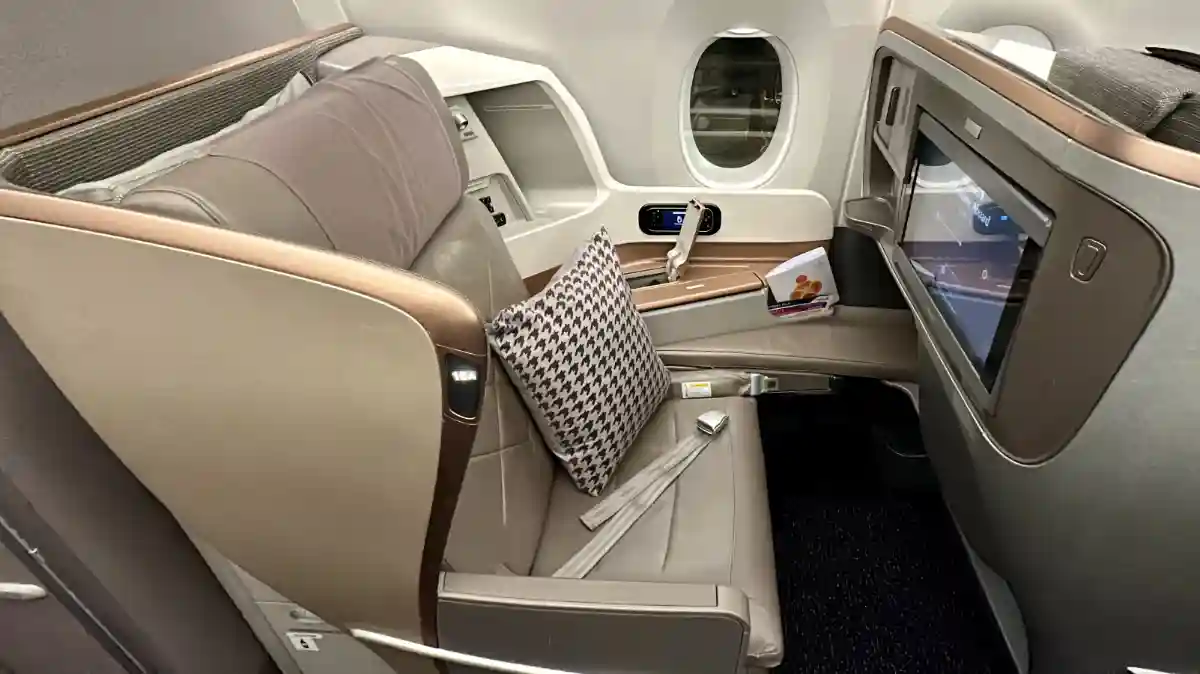
For business travelers, that arrangement can be especially attractive. The cabin is quieter, the overall passenger mix is more premium, and the aircraft feels purpose-built for long-distance travel. Singapore Airlines also reinforces that positioning through services such as Book the Cook, allowing eligible passengers to select meals before departure. On a journey that can consume most of a day, details like these can influence how passengers perceive the entire experience.
The limitation is equally clear. Premium exclusivity reduces total premium inventory. With only 67 business class seats per flight, Singapore Airlines has to rely on strong demand and high yields rather than volume. That strategy can work extremely well when corporate demand is robust, but it leaves an opening for a competitor capable of selling more premium seats without sacrificing range.
United’s Boeing 787-9 Changes the Equation
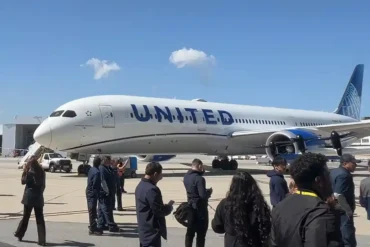
United Airlines has approached the same problem from the opposite direction. Rather than adopting an ultra-low-density aircraft configuration, it is upgrading the Boeing 787-9 so that a much larger share of the cabin is dedicated to premium travelers.
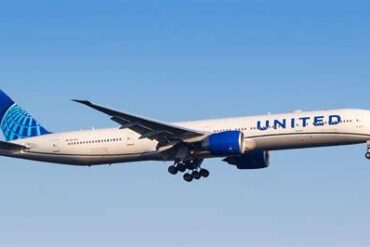
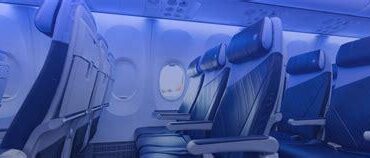
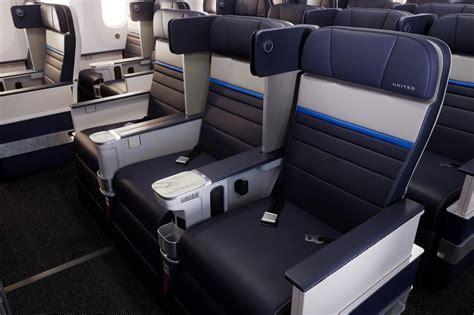
The new Elevated configuration contains 222 seats, including 64 Polaris business class seats, 35 United Premium Plus seats, and 123 economy seats. Eight of those Polaris seats are new Polaris Studio suites, giving the most premium travelers a substantially more private environment than the traditional business class seat.
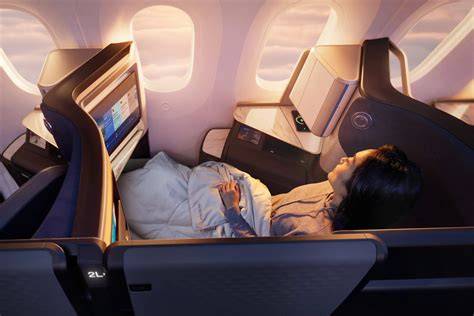
The numbers tell the story. United’s aircraft carries almost twice as many business class seats as Singapore Airlines’ A350-900ULR on each comparable flight. That does not automatically mean United offers a better business class experience, but it gives the airline a major commercial advantage when demand is strong and customers need seats at short notice.
United’s planned rollout makes the advantage even more meaningful. By the end of August 2026, the airline plans to operate Polaris 2.0 across all 14 weekly San Francisco–Singapore frequencies. At that level, United’s weekly business class capacity reaches approximately 1,792 seats, compared with Singapore Airlines’ roughly 1,526. In other words, United can now sell more business class seats on a route where Singapore Airlines has long enjoyed a premium reputation advantage.
Polaris 2.0 Is About More Than Seat Count
United would have a weaker argument if it were simply adding seats. The more interesting part of its strategy is that it is simultaneously improving the physical product.
The Polaris Studio suites are designed to provide more privacy and personal space, with sliding doors and additional room for working or relaxing. Companion dining is another notable feature, allowing two travelers to share the dining experience more easily. These changes address a fundamental expectation of modern business class: passengers increasingly want a private personal environment rather than simply a wide seat.
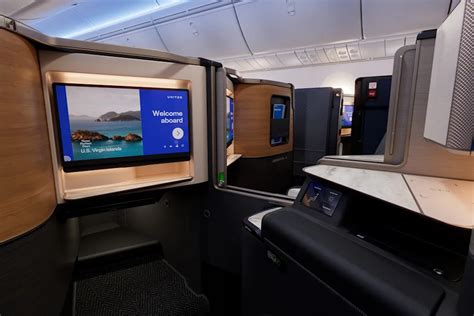
Technology is another part of the equation. United’s upgraded aircraft are associated with features such as Starlink Wi-Fi and 4K OLED entertainment screens. On a flight lasting more than 16 hours, reliable connectivity has become much more than a luxury. For technology professionals, executives, consultants, and other frequent travelers, the ability to work, communicate, stream content, and remain connected can materially affect the value of the journey.
United is consequently pursuing a two-part strategy. It wants more premium seats, but it also wants those seats to feel sufficiently sophisticated that passengers will choose them over a highly respected foreign competitor. The airline does not have to reproduce the Singapore Airlines experience exactly. It only needs to make the difference less decisive.
Availability Could Become United’s Biggest Weapon
Business class competition is often discussed as if every traveler has unlimited choice. Real-world corporate travel is rarely that simple. A company may prefer Singapore Airlines, but if the required flight has no suitable business class seats, preference becomes secondary.
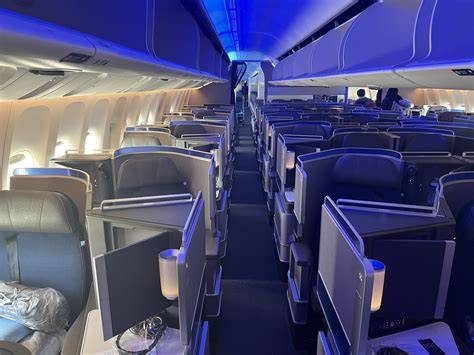
This does not mean United will automatically capture Singapore Airlines’ customers. Travelers loyal to Singapore Airlines may value its service culture enough to wait for an available seat or adjust their schedules. However, the economics of business travel favor convenience. When two airlines both offer nonstop service, the ability to obtain the right seat at the right time can become the deciding factor.
Singapore Airlines Still Owns the Experience Advantage
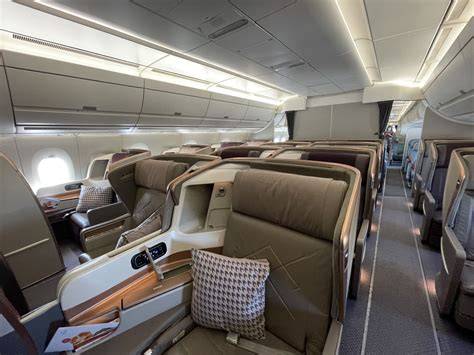
Its A350-900ULR also creates a distinctive atmosphere. With no conventional economy cabin, every traveler is in either business class or premium economy. That makes the aircraft feel different from a conventional widebody jet. The cabin is intentionally designed around a premium audience, and that positioning can be valuable in itself.
Singapore Airlines also has a compelling premium economy proposition. Its 94-seat premium economy cabin gives travelers an alternative to business class while preserving a higher level of comfort than standard economy. Fares around $929 one way, depending on travel dates and market conditions, can make that cabin appealing to leisure passengers and companies that need to balance comfort with travel budgets.
United’s Premium Plus provides a similar middle ground, but the two airlines approach the concept differently. United’s aircraft serves a broader passenger base, while Singapore Airlines’ A350-900ULR maintains a consistently premium atmosphere from the front of the cabin to the rear.
The Real Battle Is About Premium Economics
Singapore Airlines is effectively betting on scarcity. By limiting capacity and maintaining a highly premium cabin, it can concentrate revenue potential among fewer passengers. The model depends on maintaining strong fares and attracting customers who value the overall brand experience enough to pay for it.
United is betting on scale. Its Boeing 787-9 allows the airline to put more business class seats into the market while still carrying Premium Plus and economy passengers. That creates a larger revenue pool and more flexibility, but it also means United has to keep a much larger premium cabin filled.
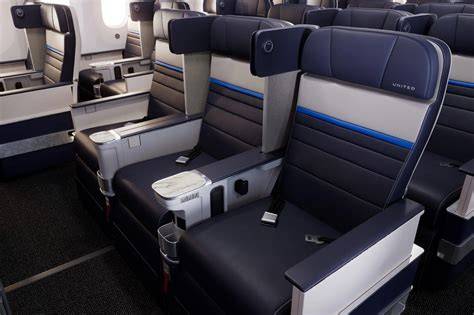
Neither approach is inherently superior. The winning model depends on demand, fares, aircraft utilization, fuel costs, and the airline’s ability to fill seats with profitable passengers. An empty premium seat is expensive regardless of how impressive it looks, while a smaller cabin can be highly profitable if demand supports premium pricing.
Why the SFO Route Could Signal a Broader Shift
The San Francisco–Singapore market offers a useful preview of where long-haul competition is heading. Airlines increasingly recognize that premium cabins generate disproportionate revenue, particularly as traditional business travel mixes with affluent leisure demand.
United’s approach demonstrates exactly that principle. The 787-9 was already a capable long-range aircraft. By redesigning its interior and introducing Polaris 2.0, United has transformed it into a more powerful premium-market instrument. The airline is not simply adding comfort; it is adding revenue-generating capacity.
Singapore Airlines, meanwhile, retains the strength of a highly specialized product. The A350-900ULR remains exceptionally well suited to ultra-long-haul flying, and the airline’s premium reputation gives it an advantage that cannot be replicated overnight.
United Has Won the Numbers Game, Not the Entire War
The biggest change on the SFO–SIN route in 2026 is simple: United Airlines can offer more business class seats per week than Singapore Airlines. That is a meaningful shift where Singapore Airlines has long been the premium benchmark.
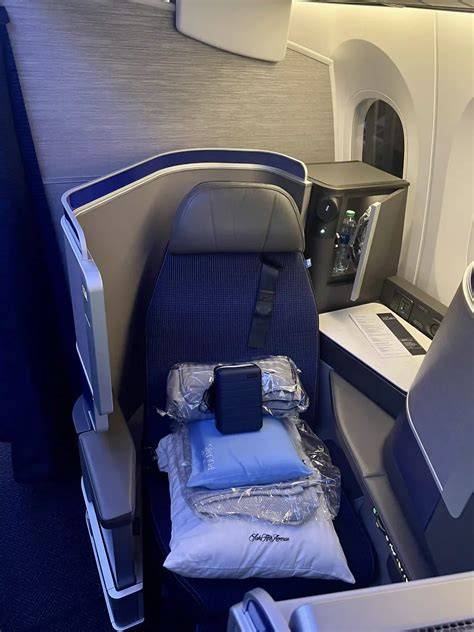
With approximately 1,792 weekly Polaris seats versus Singapore Airlines’ approximately 1,526, United has created a capacity advantage of roughly 266 business class seats per week. That extra inventory can improve corporate accessibility, support last-minute demand, and give the airline more opportunities to capture premium passengers.
But seat count alone will not decide the route. Singapore Airlines still has the A350-900ULR, a deeply established premium identity, a highly regarded service proposition, and an aircraft configuration specifically engineered around ultra-long-haul travelers.
United’s achievement is more nuanced and arguably more interesting. It has taken a route where Singapore Airlines traditionally held the psychological high ground and attacked the market from a different angle. Instead of trying to become Singapore Airlines, United has made its own strengths more relevant.
The result is a new kind of premium competition. Singapore Airlines is selling scarcity, refinement, and consistency. United is selling privacy, technology, capacity, and availability. On a flight of more than 16 hours, passengers may value all of those qualities, but they do not necessarily value them in the same order.
That is why the SFO–SIN battle deserves attention. United has not dethroned Singapore Airlines simply by adding a better seat. It has changed the economics of the contest by putting more premium inventory into one of the world’s most demanding nonstop markets. If those seats continue to command strong fares, the strategy could become a model for how major airlines use upgraded widebodies to challenge premium specialists.
For now, the scoreboard gives United the business class capacity lead. Singapore Airlines still holds the prestige globally. The question is what happens when travelers choose between stronger premium heritage and more premium seats on the schedule.
On this flagship San Francisco route, United Airlines has stopped merely defending its position. It is making Singapore Airlines compete on availability as well as experience. And in ultra-long-haul aviation, that may prove to be the more consequential battle.