Over the weekend, United Airlines experienced two separate midair diversions originating from San Francisco International Airport (SFO), intensifying scrutiny over a pattern of recent operational disruptions linked to the carrier. The incidents, involving long-haul international flights to Sydney and Beijing, have prompted renewed concern about maintenance practices, flight crew response, and ground operations management at one of the airline’s critical international gateways.
Emergency Over the Pacific: Flight UA863 Diverts to Honolulu
In the early hours of Sunday, Flight UA863, a Boeing 777-200ER, took off from SFO bound for Sydney, Australia, carrying 202 passengers and 16 crew members. Approximately six hours into its trans-Pacific journey, while cruising at 32,000 feet over the open ocean, the crew initiated an emergency transponder code “squawk 7700,” signaling a general distress situation to air traffic control and nearby aircraft.
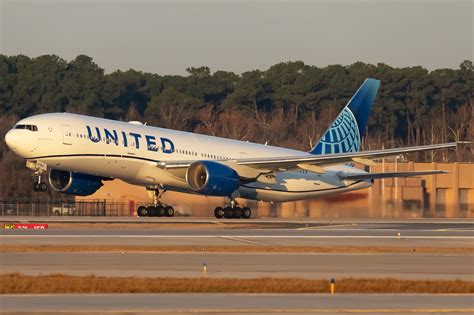
The flight, operated by an aircraft registered under tail number N78002, promptly adjusted its course and diverted to Honolulu’s Daniel K. Inouye International Airport, landing safely at 4:26 a.m. local time after a six-hour and 42-minute journey.
In an official statement released Sunday morning, a United spokesperson confirmed the diversion was necessary “to address a maintenance issue,” without elaborating on the exact nature of the emergency. The airline subsequently canceled the flight, and passengers were informed that efforts would be made to reaccommodate them on future departures.
The midair diversion has added fuel to ongoing concerns about aircraft reliability and safety procedures, especially for long-haul transoceanic routes where diversion airports are limited. In such cases, flight crews are extensively trained for contingency operations, including fuel dumps, rerouting, and rapid altitude changes in the event of mechanical anomalies or environmental risks.
Mechanical Trouble Forces Beijing Flight UA888 Back to SFO
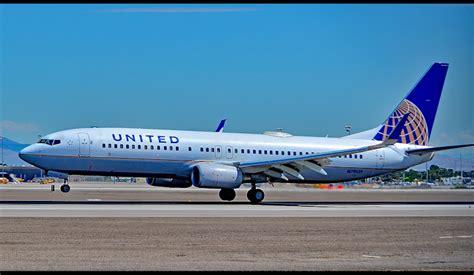
Just 24 hours earlier, on Saturday afternoon, United Flight 888 to Beijing Capital International Airport experienced an unrelated but equally concerning technical issue. The flight, operated by another wide-body jet, had departed from SFO at 12:42 p.m., but shortly after takeoff, the crew detected a mechanical anomaly significant enough to warrant a return to the airport.
To ensure a safe landing, the aircraft had to release fuel over the Pacific Ocean — a necessary procedure when an aircraft must land shortly after takeoff, as it may be too heavy to land safely with a full fuel load. Flight UA888 returned to SFO at 2:20 p.m. and landed without further incident.
The carrier issued a brief comment stating the diversion was due to a mechanical issue, again providing no detailed breakdown of the system affected. This lack of transparency has stirred discomfort among frequent flyers, especially given the proximity of these two incidents, and their implications on fleet readiness.
Previous Incidents Raise Concerns Over United’s SFO Operations
The two weekend diversions are not isolated events. They join a growing list of incidents involving United Airlines flights from San Francisco in recent weeks — a troubling trend for what is supposed to be a tightly controlled, safety-first environment.
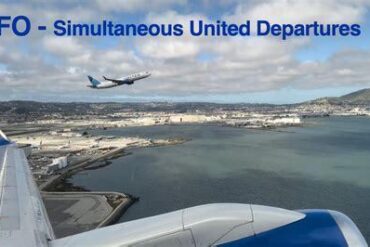
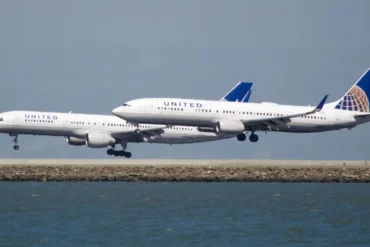
One of the most alarming recent occurrences took place on May 13, when a United aircraft made a wrong turn during takeoff, resulting in a near-miss with a SkyWest flight bound for Fresno. According to preliminary reports from the Federal Aviation Administration (FAA), the two aircraft came within hundreds of feet of each other in a serious runway incursion event. The FAA has launched a full investigation into this incident, which is already being labeled internally as a critical operational lapse.
In a separate event on May 6, the very same flight involved in Sunday’s emergency — Flight UA863 — was part of another safety scare. While taxiing on the ground at SFO, the Boeing 777 clipped wings with another United aircraft. The incident occurred in a section of the airport where air traffic controllers do not have direct communication with pilots, raising serious questions about ground coordination, visibility protocols, and movement area surveillance technology.
Despite the FAA’s open investigation into both events, United has not disclosed whether these incidents are linked by a common operational or systemic factor. The recurrence of disruptions involving the same aircraft and flight number only intensifies scrutiny of United’s safety practices and the integrity of fleet inspections, particularly for long-haul international services.
Operational Pattern or Coincidence? Industry Experts Weigh In
While mechanical issues and diversions are not uncommon in the aviation industry, the frequency and clustering of incidents involving United flights at SFO raise red flags for aviation professionals.
Industry analyst George Hamlin, a veteran in airline operations and fleet logistics, commented that while squawk 7700 events are a built-in part of airline safety systems, “the number of United’s diversions and incidents at SFO in just a few weeks is statistically unusual and warrants internal review.” He further noted that given the global complexity of wide-body aircraft maintenance, even small lapses in inspection or communication between engineering teams could result in repeat safety alerts.
Moreover, pilots’ unions and safety boards have increasingly emphasized the pressure airlines face to maximize aircraft utilization, particularly in the wake of post-pandemic travel rebounds. This push can sometimes lead to accelerated turnaround times and reduced margin for error in pre-departure maintenance routines.
FAA’s Watchful Eye and Public Accountability
The Federal Aviation Administration has taken a visible stance following the string of United-related incidents. With investigations already underway into both the near-miss runway event and the May 6 taxiing collision, the agency is expected to broaden its focus to include United’s maintenance logs, crew training protocols, and communication systems at SFO.
Historically, when a particular airport or carrier exhibits a concentration of incidents, the FAA may initiate what’s known as a Focused Inspection Initiative (FII), which includes unscheduled audits, on-site inspections, and interviews with operations personnel. If the FAA finds systemic flaws, United could face regulatory penalties or be forced to revamp internal procedures.
Additionally, public confidence becomes a crucial factor. Social media accounts from passengers on Flight UA863 and UA888 reported moments of unease, with some noting that flight attendants remained composed and professional, helping to alleviate tension during the diversions. But the mere fact that passengers are frequently having their flights canceled or diverted out of SFO creates an erosion of trust that United must address swiftly.
Conclusion: A Tipping Point for United at SFO?
As of early June 2025, United Airlines’ operational integrity at San Francisco International Airport is being called into question. With multiple aircraft involved in midair emergencies, ground collisions, and near-misses, aviation analysts agree that the airline is at an inflection point.
Whether these incidents are tied to a specific fleet management flaw, localized staff shortages, or simply a coincidence of bad timing, one thing is clear: the pattern is too persistent to ignore. In a global industry where public safety, punctuality, and transparency are non-negotiable, United’s leadership faces mounting pressure to reassure passengers, cooperate fully with FAA probes, and demonstrate that SFO remains a safe hub for international travel.
As investigations unfold and more details emerge, passengers and regulators alike will be watching closely to see how United Airlines responds to a crisis of confidence that is no longer just anecdotal — it’s increasingly visible, trackable, and potentially preventable.