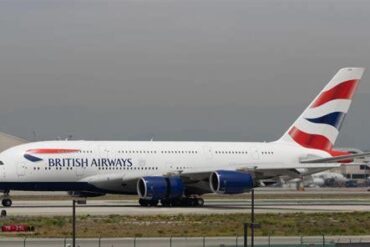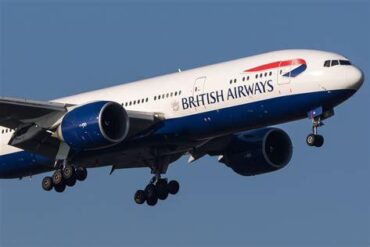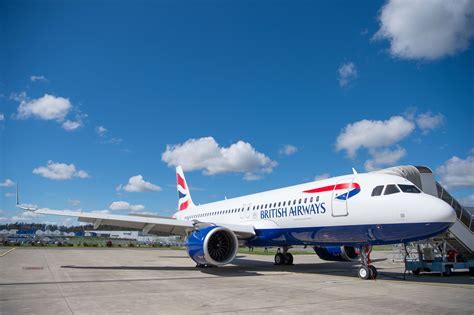
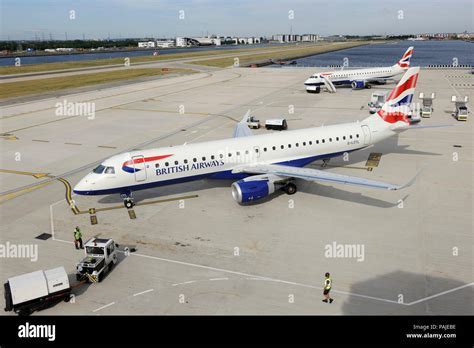
British Airways passengers expecting a routine arrival at London City Airport on Thursday night were in for an unexpected detour. Owing to widespread delays caused by a French air traffic control (ATC) strike, three flights destined for the Docklands-based airport were diverted to London Southend Airport, arriving well past the curfew that governs nighttime operations at their intended destination.
Southend Steps Up as Diversion Haven
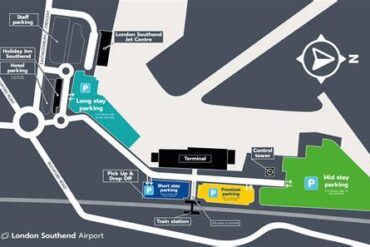
The diverted flights—originating from Palma de Mallorca, Ibiza, and Malaga—touched down at London Southend Airport after being unable to reach London City before the strict 10pm curfew. As the ripple effects of the French ATC disruption stretched across Europe, the aircraft found temporary refuge at a less conventional yet increasingly capable alternative in Essex.
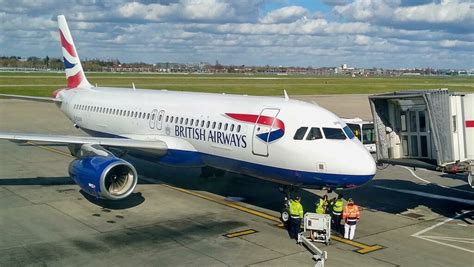
Airport officials confirmed that the aircraft remained on the apron overnight, their presence unexpected but efficiently managed. Southend’s air traffic control team played a vital role in coordinating the late-night arrivals and ensuring the safety of both the aircraft and the crews. The diverted planes were parked until curfew restrictions lifted at 6:30am the following morning, with all three flights departing between 8am and 11am to complete repositioning or continue on their respective service rotations.
French Air Traffic Control Disruption Causes Domino Effect
The root cause of the diversion lies across the English Channel. Strikes by French ATC staff once again crippled flight paths over Western Europe, triggering cascading delays that stretched into the late evening. The impact was not isolated to British Airways alone but rippled throughout European airspace, particularly affecting carriers using routes that overfly France. For British Airways, whose CityFlyer service relies on punctual landings at curfew-restricted airports like London City, the delay proved impossible to absorb.
French ATC strikes have become a recurring frustration for European airlines, with unions often protesting reforms or funding cuts. The dense concentration of French-controlled airspace, especially over Marseille and Bordeaux FIRs (Flight Information Regions), means that even aircraft not destined for France must reroute or reduce speed—resulting in a knock-on effect that delays arrivals and departures far beyond France’s borders.
The 10pm London City Curfew: A Critical Limitation
The London City Airport curfew, imposed to protect surrounding residential neighborhoods from nighttime noise, is among the strictest in the UK. Aircraft are not permitted to land or take off after 10:00pm local time, and the margin for leeway is narrow. Airlines are well aware of the constraints, and flight planning must account for minimal delay tolerance.
When delays exceed a threshold—especially during summer, when traffic congestion is exacerbated—the risks of missing that curfew increase dramatically. Airlines like British Airways must either reroute or cancel affected flights. In this case, diversion to Southend Airport, situated around 40 miles east of London, presented a viable contingency.
Southend Airport’s Rising Profile
The diversions come at a moment of resurgence for London Southend Airport, which had faced a challenging period following the collapse of several routes during the pandemic. In a remarkable turnaround, the airport recently recorded a 106% increase in passenger numbers between January and April 2025, making it the fastest-growing airport in the UK during that period.
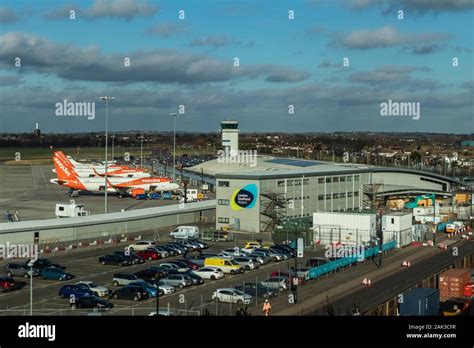
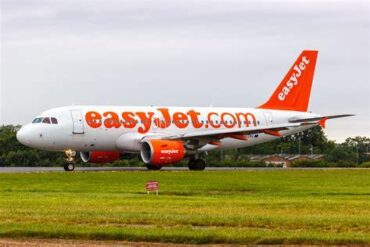
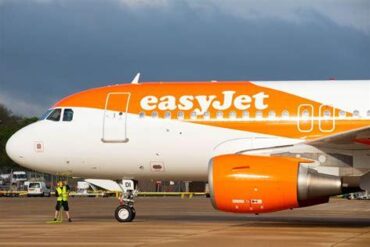
This growth is not accidental. EasyJet, one of the UK’s leading budget carriers, has expanded its footprint at Southend in recent weeks, adding three new destinations and raising the total number of routes offered from the airport to 25. The strategic location, efficient security processing, and lower congestion levels have helped Southend appeal to both airlines and travelers seeking an alternative to the capital’s busier hubs.
The airport has also invested in enhancing its operational capabilities, allowing it to handle unexpected contingencies like the British Airways diversions with poise. The ability to accommodate late-night arrivals, support ground operations overnight, and coordinate early-morning departures demonstrates a level of resilience and readiness uncommon in regional airports.
Passenger Experience: Confusion, Calm, and Courtesy
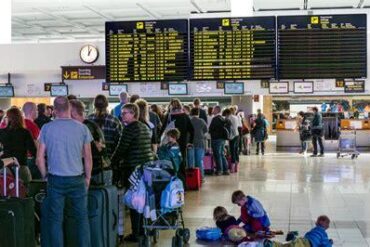
Passengers onboard the diverted British Airways flights experienced a mix of confusion and calm as news of the diversion filtered through during the final stages of their journeys. According to several travelers, the crew kept them well-informed, and ground staff at Southend assisted in arranging onward transport or accommodations where necessary.
Some passengers were bussed into central London, while others chose to remain in nearby hotels until their connecting plans could resume in the morning. British Airways issued apologies and provided support in line with EU261 passenger rights regulation, which entitles travelers to assistance and compensation for significant disruptions.
Strategic Implications for British Airways and Southend
For British Airways, the event underscores the operational vulnerability of routes reliant on curfew-restricted airports, particularly during peak summer periods when European ATC systems are often overstretched. London City remains a valuable hub for the airline’s business-focused services, but its limitations may prompt further contingency planning—perhaps involving pre-cleared diversion slots or closer collaboration with regional airports.
Meanwhile, Southend Airport gains invaluable operational exposure and positive publicity. Hosting three diverted BA flights overnight is no small feat, and the airport’s ability to manage the influx without reported incident boosts its credentials as a serious alternative airport in the southeast of England. It also opens the door to further collaboration with full-service carriers who may consider scheduled or seasonal routes.
Wider Industry Reaction and Regulatory Commentary
The latest French ATC strike has reignited industry-wide frustration with the lack of coordinated response mechanisms to mitigate strike-induced delays. European airline associations have repeatedly lobbied for reforms, including minimum service guarantees during strikes and pan-European air traffic management integration under the long-stalled Single European Sky initiative.
Airlines argue that the frequency and unpredictability of French strikes—more than 50 days of ATC walkouts in the past 12 months—undermine their ability to operate consistent, timely schedules. The situation disproportionately affects UK carriers, who depend on French airspace access for most short- and medium-haul European routes.
Regulators, however, walk a delicate line between respecting labor rights and ensuring the continuity of a vital part of Europe’s infrastructure. As delays mount and passenger complaints increase, the pressure on both national and EU-level aviation authorities to find a sustainable solution is intensifying.
Looking Ahead: Is Southend Ready for a Bigger Role?
The events of this week may mark a turning point for London Southend Airport’s public and industry perception. Once a niche regional gateway, it now has the opportunity to present itself as a flexible, capable, and scalable solution to the congestion and constraint issues plaguing other London-area airports.
British Airways has not yet commented on whether it will consider formal agreements with Southend for future diversions or operations, but the precedent has been set. The successful accommodation of three international flights overnight is not just a response to disruption—it’s a demonstration of capability.
For now, the skies are clear and operations are back to normal. But as summer air travel enters its peak season, the next ATC disruption may not be far away. Whether it’s Southend or another agile airport that steps in, the lesson is clear: flexibility, infrastructure, and preparedness matter more than ever in Europe’s volatile aviation ecosystem.