The delicate balance between safety, physics, and real-world conditions was thrust into the spotlight when an easyJet flight from London Southend Airport to Malaga was forced to remove passengers moments before departure. What might sound like an extraordinary situation is, in reality, a calculated and disciplined decision rooted in aviation safety protocols.
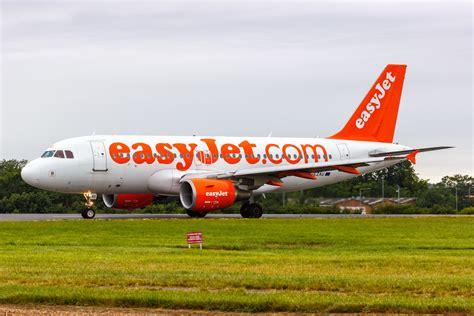
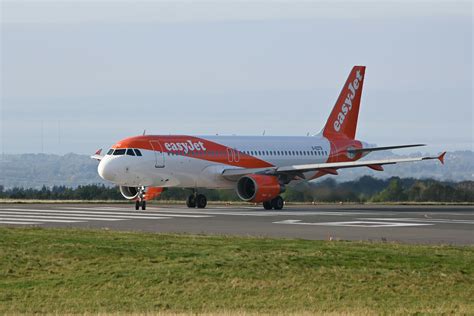
On April 11, passengers aboard easyJet flight 7008 experienced an unusual delay when crew members announced that the aircraft was too heavy to take off under current conditions. Five individuals ultimately volunteered to leave the plane, allowing the aircraft to meet strict performance requirements and proceed safely to its destination.
Why the Aircraft Was Too Heavy to Fly
The issue was not simply about passenger numbers, but rather the intersection of aircraft weight, runway limitations, and weather conditions. Every commercial flight undergoes detailed pre-departure calculations to determine whether it can safely take off. These calculations consider variables such as payload, fuel load, temperature, wind, and runway length.
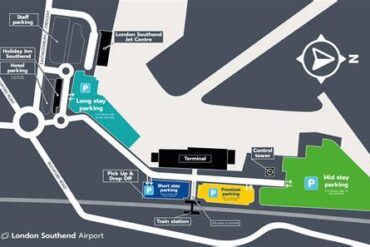
In this case, the runway at London Southend Airport, measuring just 6,089 feet (1,856 meters), played a critical role. Shorter runways offer less margin for error, especially when conditions are less than ideal. Even a fully compliant aircraft under normal circumstances can become restricted when environmental factors shift.
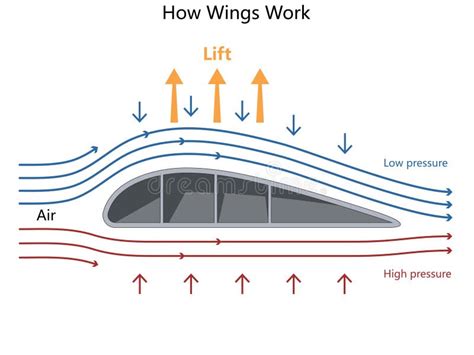
Adding to the challenge was the lack of headwind. Headwinds are essential during takeoff because they increase airflow over the wings, helping generate lift more efficiently. Without this natural boost, aircraft require a higher ground speed and more runway distance to become airborne.
The Crucial Role of Wind and Runway Dynamics
Wind direction is often an invisible factor to passengers but a decisive one for pilots and engineers. On that day, the wind was approximately 50 degrees off the runway heading, providing minimal headwind benefit. According to aviation experts, this effectively removed a key performance advantage that pilots typically rely on.
Under such conditions, the aircraft must compensate by accelerating longer and faster along the runway. However, when runway length is limited, this option quickly disappears. The result is a straightforward but non-negotiable conclusion: reduce weight or cancel the flight.
Rather than causing widespread disruption, the airline opted for a targeted solution. By removing five passengers, the aircraft’s total weight dropped just enough to meet takeoff performance requirements. It was a small adjustment with a significant safety impact.
Understanding the Physics Behind Takeoff
At the heart of the decision lies the interplay of four fundamental forces: lift, weight, thrust, and drag. For an aircraft to leave the ground, lift must exceed its weight. That lift depends heavily on airspeed and air density—both of which were compromised in this scenario.
Warmer air, for instance, is less dense. Lower air density reduces engine efficiency and diminishes the wings’ ability to generate lift. Combine that with minimal headwind and a shorter runway, and the margin for safe takeoff narrows dramatically.
When these variables align unfavorably, even a slight excess in weight becomes critical. This explains why airlines sometimes make last-minute adjustments, even after boarding is complete. Safety calculations are continuously refined up until departure.
Why Passengers Are Rarely Asked to Leave
While the idea of being asked to leave a flight may seem alarming, it is actually a recognized contingency procedure within aviation. However, such occurrences remain rare because airlines typically identify weight issues well before boarding begins.
In most cases, airlines rely on standardized passenger weight estimates, rather than weighing individuals. According to the European Union Aviation Safety Agency, the average passenger weight—including carry-on luggage—is approximately 185 pounds (84 kilograms). While generally accurate, these estimates can occasionally fall short, especially on fully booked flights.
What made this incident unusual was the timing. Discovering the issue after boarding suggests that last-minute environmental changes or recalculations tipped the balance. Early-morning operations, shifting winds, or updated temperature readings can all contribute to such outcomes.
Southend Airport’s Operational Constraints
Airports vary significantly in their ability to handle challenging conditions. Larger hubs like London Stansted or London Luton feature longer runways, providing greater flexibility when aircraft are near their performance limits. Pilots operating from these airports have more room to accelerate, even under less favorable conditions.
Southend, by contrast, operates with tighter margins. This does not make it unsafe—far from it—but it does mean that precision in planning becomes more critical. When conditions deviate from expectations, options are fewer and decisions must be made quickly.
Interestingly, this is not the first time such an ঘটনা has occurred at Southend. A similar situation on the same Malaga route was recorded in 2014, reinforcing how specific airport characteristics can influence operational outcomes.
A Broader Look at Environmental Impact on Aviation
This incident also highlights a growing challenge for the aviation industry: environmental variability. Factors such as temperature, wind patterns, and air density are becoming less predictable, introducing new complexities into flight planning.
High-altitude airports offer another example. At locations like Mexico City International Airport, where elevation exceeds 7,000 feet, thinner air significantly reduces lift and engine performance. Aircraft departing from such environments often require weight restrictions or additional fuel stops.
Looking ahead, climate trends could amplify these challenges. Rising global temperatures may lead to more frequent scenarios where aircraft must limit payload or adjust operations to maintain safety margins. Airlines are already adapting by refining performance models and adopting more conservative planning strategies.
Safety Decisions That Passengers Rarely See
From a passenger’s perspective, being asked to leave a flight may feel inconvenient or even unsettling. Yet, it represents the aviation industry at its most disciplined. Every decision—no matter how minor it appears—is guided by rigorous safety standards and real-time data analysis.
The easyJet incident serves as a reminder that flying is not just about schedules and destinations. It is a finely tuned operation where physics, engineering, and human judgment converge. When conditions demand it, even small adjustments—like offloading a handful of passengers—can make the difference between risk and reliability.
In the end, the aircraft departed safely, the remaining passengers reached Malaga, and the system worked exactly as designed. Quietly, efficiently, and without compromise.