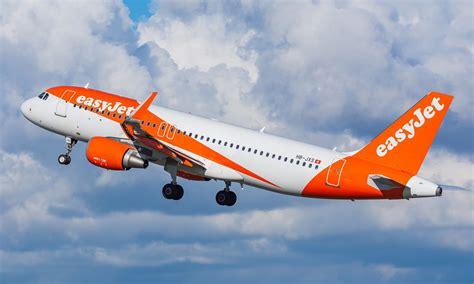
An easyJet flight traveling from Egypt to the United Kingdom was forced into an unscheduled diversion after a passenger revealed mid-flight that a power bank had been left charging inside checked baggage — a serious breach of aviation safety rules that immediately triggered concern among the crew.
The incident involved easyJet Flight EZY2618 operating from Hurghada to London Luton on May 19. What began as a routine evening service quickly escalated into a costly operational disruption when cabin crew learned that a lithium battery device was actively charging inside the aircraft’s cargo hold. Because lithium-ion batteries are considered one of the aviation industry’s most significant onboard fire risks, the pilots elected to divert the Airbus A320 to Rome Fiumicino Airport as a precaution.
The diversion stranded around 180 passengers overnight in Italy and highlighted the growing global concern surrounding power banks carried by airline travelers. Aviation regulators and airlines worldwide have tightened restrictions in recent years as incidents involving overheating batteries and thermal runaway events continue to rise.
For many onboard, the diversion unfolded without warning.
Passengers initially noticed the aircraft changing course several hours into the journey, but little information was immediately provided. According to travelers onboard, uncertainty quickly spread throughout the cabin as the jet descended toward Rome instead of continuing toward the United Kingdom.
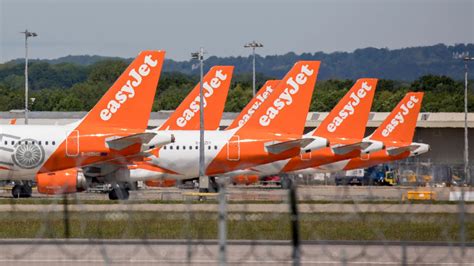
Passenger Confusion Grew as Flight Suddenly Changed Direction
Flight tracking data showed the aircraft departing Hurghada International Airport during the evening before making an abrupt diversion toward Italy more than three hours into the journey. The Airbus A320 eventually landed safely at Rome Fiumicino Airport roughly four hours after departure.
Passengers later described an atmosphere of tension and confusion onboard. One traveler reportedly recalled the captain informing passengers there was “something we shouldn’t have in the hold,” though no immediate explanation followed. Without details, speculation spread rapidly among those onboard.
Eventually, word circulated through the cabin that a passenger had informed crew members about a charging power bank stored in checked luggage. That revelation transformed confusion into concern, particularly among travelers familiar with the fire risks associated with lithium-ion batteries on aircraft.
Unlike fires in the passenger cabin, incidents inside the cargo hold present a far more dangerous challenge. While modern aircraft cargo compartments are equipped with fire suppression systems, lithium battery fires can burn at extremely high temperatures and may reignite even after being extinguished.
This is precisely why international aviation regulations prohibit passengers from placing spare lithium batteries and power banks inside checked baggage.
Why Charging a Power Bank in Checked Luggage Is So Dangerous
Lithium-ion batteries power nearly every modern portable device, from smartphones to laptops and portable chargers. While generally safe, damaged or overheating batteries can enter a chain reaction known as thermal runaway — a self-sustaining chemical fire capable of producing extreme heat, toxic smoke, and explosions.
Inside an aircraft cabin, cabin crew can quickly identify smoke, isolate overheating devices, and use specialized fire containment equipment. In the cargo hold, however, access is impossible during flight.
That risk becomes even more severe when a power bank is actively charging.
Charging generates additional heat and increases the chance of electrical malfunction. Aviation experts have repeatedly warned that charging portable battery packs during flights or leaving them connected inside luggage significantly raises fire hazards.
As a result, many airlines now require passengers to keep power banks visible and accessible at all times during flights. Several carriers have also introduced stricter limits on battery capacity and quantity.
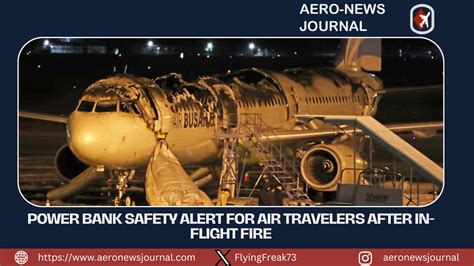
Overnight Diversion Created Major Operational Costs for easyJet
Although the aircraft landed safely in Rome, the diversion triggered a complicated and expensive recovery operation for the airline.
Passengers were unable to continue to London that same evening, forcing easyJet to arrange hotel accommodation, meals, ground transportation, and replacement flight logistics for everyone onboard. Some travelers reportedly chose to remain overnight inside the airport terminal, while others booked alternative flights with different airlines rather than wait for the delayed service.
The replacement flight eventually departed Rome the following afternoon.
For low-cost carriers operating on tightly optimized schedules, unexpected diversions can rapidly become financially painful. Costs typically include additional fuel burn, emergency airport handling fees, parking charges, crew accommodation, replacement staffing, passenger compensation obligations, and schedule disruptions affecting later flights.
Industry analysts estimate diversions involving overnight passenger accommodation can easily cost airlines tens of thousands of dollars.
Recent examples from European carriers have demonstrated how quickly those costs escalate. Accommodation alone often accounts for a significant portion of the total expense, especially when hundreds of passengers require hotel rooms at short notice.
Airlines Worldwide Are Tightening Battery Rules
The easyJet diversion arrives amid increasing scrutiny surrounding portable battery devices onboard aircraft. Regulators and airlines have responded to a noticeable increase in lithium battery overheating incidents over the past several years.
Airlines across Europe, North America, and Asia are introducing stricter rules governing how passengers transport and use power banks. Some carriers now prohibit charging portable battery packs during flights entirely, while others require them to remain out of overhead bins and visible to cabin crew.
The aviation industry’s concern is rooted in a simple reality: lithium battery fires develop extremely fast and are difficult to control at altitude.
For passengers, the rules may seem inconvenient. For airlines and flight crews, however, incidents like the easyJet diversion demonstrate exactly why those restrictions exist.