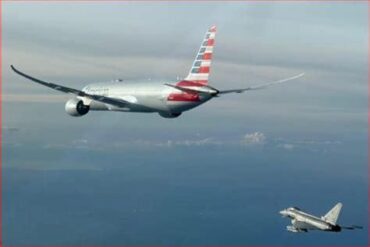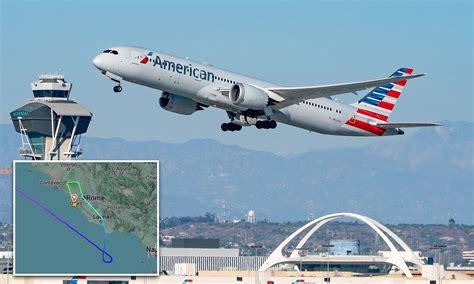
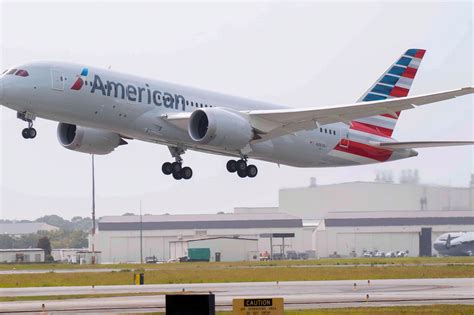
American Airlines’ Flight 780, which took off from Philadelphia International Airport bound for Naples, Italy, faced an unexpected and significant disruption on July 27, 2025. The flight, utilizing a Boeing 787-9 Dreamliner, was scheduled to arrive in Naples at 10 AM local time the following morning after departing Philadelphia at 7:42 PM. However, shortly before reaching its destination, the flight was forced to divert to Rome’s Fiumicino Airport due to operational limitations associated with the size of the aircraft.
The Boeing 787-9, measuring approximately 20 feet longer than the typically utilized Boeing 787-8 for this route, encountered substantial challenges upon approaching Naples’ Capodichino Airport. This smaller airport, while well-equipped for certain aircraft, lacked the necessary infrastructure to accommodate the larger model, leading to the decision to divert the plane back towards Rome, located roughly halfway between Naples and the aircraft’s position over the Tyrrhenian Sea. This incident highlights a critical aspect of aviation logistics — the compatibility between aircraft dimensions and airport facilities.
Upon landing in Rome, the 231 passengers and 11 crew members aboard Flight 780 faced significant inconvenience. They were informed that they would need to be bused to Naples, approximately a three-hour journey by road, rather than enjoying a direct flight to their intended destination. The abrupt change in travel plans left many passengers frustrated and anxious, as they had anticipated a smooth arrival in Naples, especially during the peak tourist season. The airline’s response was swift; an American Airlines spokesperson publicly acknowledged the situation, stating, “We apologize to them for this disruption to their journey,” underscoring the airline’s recognition of the inconveniences caused.
The incident serves as a stark reminder of the complexities inherent in international air travel, particularly when considering the balance between aircraft size and airport capacity. In recent years, airlines have increasingly opted for larger aircraft like the Boeing 787-9 to accommodate growing passenger demand on popular routes. However, as demonstrated in this case, not all airports can support these larger models, leading to potential operational hurdles.
One of the core issues at play here is the infrastructure at Naples’ Capodichino Airport. While it serves as a vital gateway for travelers heading to the stunning Amalfi Coast and surrounding regions, its facilities are limited when it comes to accommodating larger aircraft. This restriction raises questions about the long-term viability of operating larger flights to such regional airports. As air traffic continues to rise, it is imperative for airports like Naples to consider investing in upgrades to their facilities to better accommodate a wider range of aircraft sizes.
Furthermore, the diversion of Flight 780 also shines a spotlight on the broader implications for airlines and their operational planning. Airlines must meticulously assess factors such as runway length, gate size, and overall airport capacity when crafting flight itineraries, particularly for international routes where larger aircraft are often deployed. The complexity of these logistical considerations cannot be overstated, as they directly impact the travel experience for passengers.
Travelers should also take heed of this incident as a cautionary tale. The unpredictable nature of air travel can lead to unforeseen complications, including weather disruptions, technical difficulties, and, as seen here, mismatches between aircraft size and airport capabilities. For those planning to fly into regional airports, it is crucial to remain flexible and prepared for potential changes to travel plans.
In the aftermath of this diversion, American Airlines made efforts to ensure the comfort and well-being of its passengers during the extended road trip to Naples. Although passengers were understandably disappointed by the detour, the airline’s proactive communication and assistance mitigated some of the frustration. However, this event serves as a clear signal that more needs to be done to align aircraft operations with airport infrastructure.
As the aviation industry continues to evolve, the case of American Airlines Flight 780 underscores the importance of maintaining an ongoing dialogue about airport capacity and aircraft compatibility. Airports, airlines, and regulatory bodies must work collaboratively to address these challenges, ensuring that travelers can enjoy seamless journeys without the disruption of unscheduled diversions.
Ultimately, the diversion of Flight 780 to Rome exemplifies the intricacies of modern air travel and the necessity for ongoing improvements in airport infrastructure. As Naples remains a sought-after destination for both leisure and business travelers, addressing these operational limitations will be critical to enhancing the overall travel experience. This incident not only reflects the challenges faced by airlines but also highlights the essential need for continued investment in airport facilities to accommodate the changing landscape of air travel.