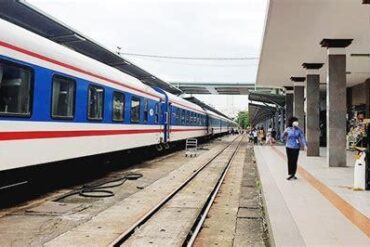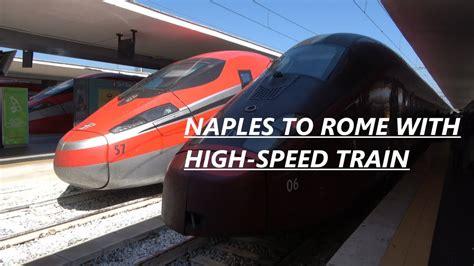
The Rome-Naples high-speed railway has taken a monumental step towards enhancing rail safety with the installation of Italy’s first Earthquake Early Warning System (EEWS). This innovative system is designed to halt trains automatically in the event of seismic activity, ensuring the safety of both passengers and infrastructure. Developed in collaboration with the Railway Technical Research Institute (JR RTRI) from Japan and the Physics Department of the University of Naples Federico II, this technology marks a significant advancement in the realm of railway safety across Europe.
How the Earthquake Early Warning System Works
At the core of the EEWS is a sophisticated network of accelerometers strategically positioned along the Rome-Naples high-speed rail line. These accelerometers are capable of detecting the initial seismic waves, known as P-waves, which are the first indicators of an impending earthquake. Once these P-waves are detected, the information is transmitted instantaneously via a high-capacity fibre optic network to a central processing unit. This rapid data transmission enables real-time analysis of seismic hazards, allowing for swift and effective responses.
When the system determines that the seismic activity exceeds a predefined risk threshold, it automatically triggers interventions to slow down or stop trains traversing the affected area. This automated response is facilitated by intelligent software that continuously analyzes sensor data, ensuring that the railway’s signaling equipment is activated to maintain safe train operations. After the seismic event has passed, personnel from Rete Ferroviaria Italiana (RFI) can conduct necessary safety checks before granting permission for train circulation to resume.
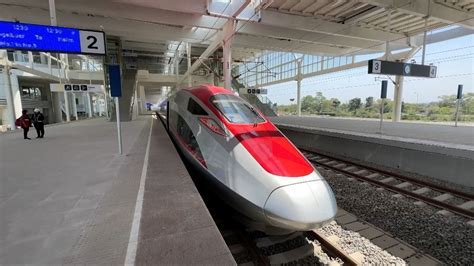
Sensors and Data Transmission for Quick Response
The accelerometer stations serve as the heart of the EEWS, providing critical data on ground motion during seismic events. These sensors are not only highly sensitive but also strategically buried at various depths along the Rome-Naples line to optimize detection capabilities and minimize false alarms. Their placement allows for rapid identification of seismic activity, significantly shortening the response time to mere seconds.
The integration of these sensors with the SDH fibre optic network ensures that seismic data is transmitted swiftly and efficiently to central monitoring stations. This connection allows for immediate countermeasures to be implemented as soon as seismic activity is detected, thereby enhancing the overall safety of the rail service.
Testing and Operational Success
The effectiveness of the Earthquake Early Warning System was put to the test shortly after its activation on May 3, 2025. A 4.4 magnitude earthquake occurred, providing a real-world scenario to evaluate the system’s operational capabilities. Trains on the Rome-Naples line were halted successfully without any incidents, validating the system’s functionality and marking a significant milestone in Italy’s efforts to enhance earthquake protection in its rail transport network.
A Model for the Future: Expanding the Earthquake Warning System
The implementation of the EEWS on the Rome-Naples high-speed railway is pioneering, setting a precedent for future upgrades across Italy’s railway systems. RFI’s innovation strategy includes plans for similar installations not only on high-speed lines but also on conventional rail lines that currently utilize the European Rail Traffic Management System (ERTMS). This expansion is expected to significantly bolster the resilience of Italy’s railway infrastructure, particularly in regions vulnerable to seismic activity.
The collaboration between RFI, the University of Naples Federico II, and JR RTRI represents a groundbreaking example of international cooperation aimed at improving railway safety and managing seismic risks. The successful deployment of the EEWS on the Rome-Naples line can serve as a model for other countries grappling with similar seismic challenges, showcasing an innovative approach to safeguarding human lives and critical infrastructure.
Further Developments and Future Integration
Looking ahead, the Earthquake Early Warning System on the Rome-Naples railway exemplifies the integration of advanced technology into essential infrastructure. By leveraging cutting-edge sensors, artificial intelligence, and continuous data analytics, the system aims to mitigate the impact of natural disasters on transport networks. The design of the EEWS prioritizes robustness and responsiveness, providing an additional layer of security for passengers across Italy’s railway network.
The Rome-Naples section is just the beginning of a broader initiative aimed at enhancing the safety of both high-speed and conventional railway lines throughout Italy. Beyond its primary function of increasing seismic security, the EEWS highlights the necessity of international collaboration in addressing the challenges posed by natural disasters. The successful implementation of this project paves the way for further advancements in seismic protection for railway networks worldwide.
Conclusion
In conclusion, the introduction of the Earthquake Early Warning System on the Rome-Naples railway line signifies a pivotal development in the safety and reliability of the Italian railway network. Utilizing advanced sensor technologies, artificial intelligence, and a constant stream of data analytics, Italy has established the world’s first seismically sensitive safety system for high-speed rail lines. The successful development and demonstration of this system serve as a benchmark for future research and technological initiatives aimed at creating safer and more reliable railway infrastructure within seismic-prone environments.