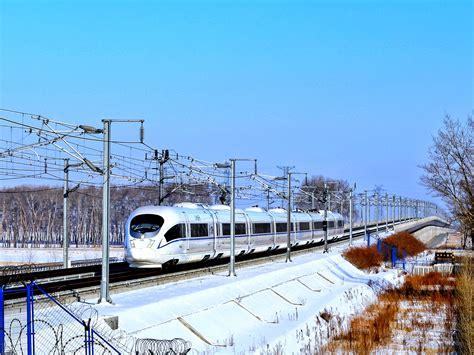
China’s Harbin-Dalian High-Speed Railway has recently achieved a monumental milestone by surpassing one billion passenger journeys, a feat that not only underscores the growing demand for efficient transportation across China’s northeastern regions but also highlights the railway’s remarkable ability to operate in some of the world’s most challenging climates. This achievement sets a new benchmark for high-speed rail travel in extreme environments and showcases the advancements in technology and infrastructure that make such travel feasible even in regions characterized by severe seasonal temperature fluctuations.
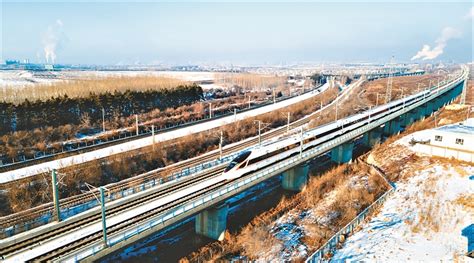
The Harbin-Dalian High-Speed Railway (HSR), which began operations on December 1, 2012, has proven its resilience by maintaining a robust ridership despite the operational challenges posed by its unique geographical setting. Spanning over 900 kilometers, the railway connects Harbin, the capital of Heilongjiang Province, to Dalian, a major port city in Liaoning Province. It traverses areas where seasonal temperature variations can be as extreme as seventy degrees Celsius, moving from bitterly cold winters to sweltering summers. These conditions necessitate innovative engineering solutions and stringent safety measures to ensure safe and efficient operations throughout the year.
At the heart of the railway’s success is a comprehensive safety management system that encompasses all aspects of operations. This system is designed to address the challenges posed by extreme weather, ensuring that every journey is as safe as possible. Key features include:
- Advanced infrastructure tailored for cold-weather operations
- Specialized rolling stock capable of handling severe conditions
- Rigorous inspection routines to ensure maintenance standards
Moreover, the focus on safety extends to disaster prevention and mitigation protocols as well as efficient emergency response strategies. Such an all-encompassing framework ensures that even under the most adverse weather conditions, the Harbin-Dalian HSR remains operational and safe for its passengers.
To tackle the operational challenges presented by snow and ice, the railway employs several strategies specifically designed for these cold, snowy conditions. For instance, turnout heating systems are utilized to prevent the accumulation of snow and ice on tracks, allowing trains to run efficiently and safely. Additionally, staggered train schedules help manage traffic flow during adverse weather, while dedicated snow removal teams work tirelessly to clear tracks and stations. These operational adaptations are essential for maintaining the high-speed nature of the railway despite unpredictable weather challenges.
The Harbin-Dalian HSR has become a lifeline for millions, providing reliable service even during the coldest months of the year. As a result, it has significantly contributed to the local economy and enhanced connectivity within the region. The expansion of the railway’s network is set to further bolster this impact. Later this year, the line will be connected to the Shenyang-Baishan High-Speed Railway, creating a vital economic corridor that will center around major cities like Shenyang in Liaoning Province, Changchun in Jilin Province, and Dalian in Liaoning.
This integration is expected to foster the formation of a two-hour economic zone that will facilitate business and tourism connectivity across Northeast China. The expanded network will not only improve accessibility for travelers but will also stimulate regional economic development by enhancing the transportation of goods and services. As a result, the increased efficiency in travel between major urban centers will likely attract more investment into the region, fueling economic growth.
The broader implications of the Harbin-Dalian HSR’s success extend beyond just local benefits; they resonate within the global high-speed rail industry. By demonstrating that high-speed trains can operate effectively in regions with extreme climates, this railway serves as a model for future expansions of similar systems in cold-weather areas around the world. The success of this railway emphasizes the potential for high-speed travel to thrive in even the most demanding environmental conditions.
In conclusion, the Harbin-Dalian High-Speed Railway stands as a testament to the resilience and adaptability of China’s high-speed rail system. With innovative technology, rigorous safety protocols, and a commitment to overcoming the challenges posed by extreme weather, the railway has successfully served over one billion passengers. Its upcoming integration with the Shenyang-Baishan line promises to enhance its significance further, establishing a new business hub and creating greater opportunities for economic growth in Northeast China. This remarkable achievement not only marks a pivotal moment in high-speed rail travel but also paves the way for the future of transportation in challenging environments worldwide.