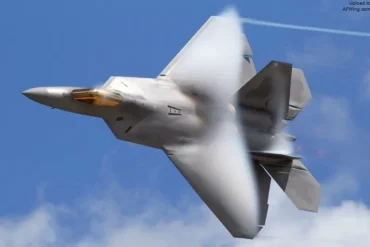
The F-15 Eagle is renowned for its remarkable performance, both in terms of air superiority and adaptability to diverse and extreme environmental conditions. From the freezing temperatures of the Arctic to the blistering heat of the Middle Eastern deserts, the F-15 has consistently proven its ability to operate in some of the harshest climates on Earth. This article provides a comprehensive analysis of the F-15’s performance in extreme climates, showcasing the aircraft’s remarkable design and engineering that allow it to perform under demanding conditions.
F-15 Performance in Extreme Cold Climates
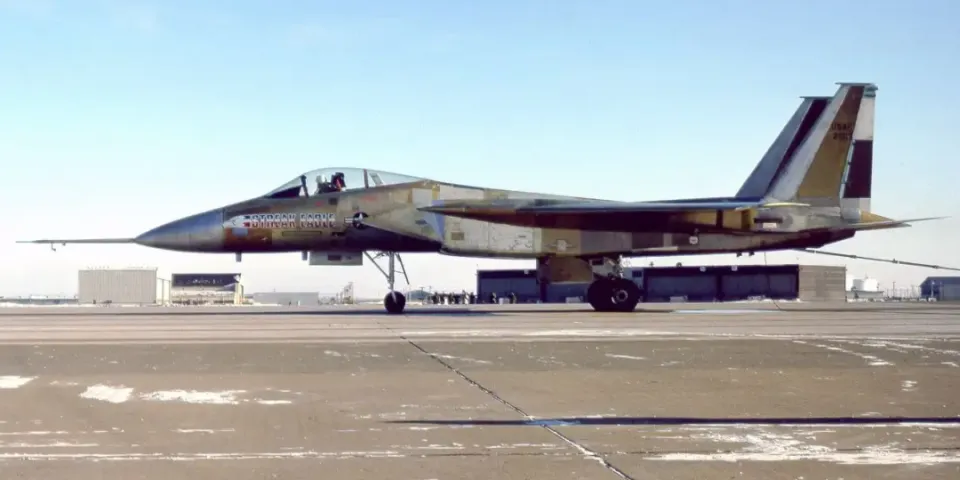
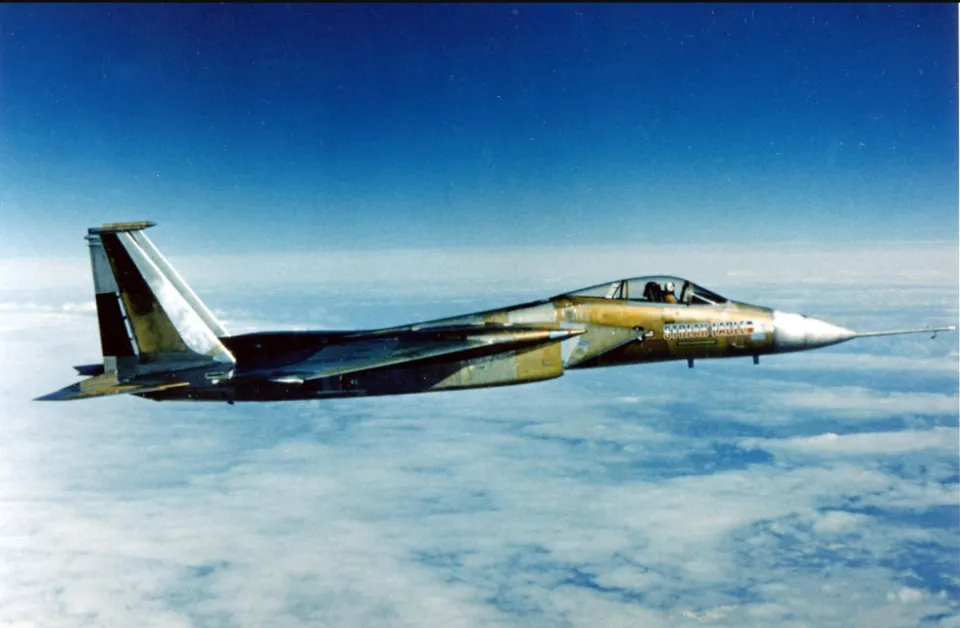
One of the most challenging environments for any aircraft is extreme cold. The F-15 has undergone extensive testing in freezing conditions, demonstrating its excellent operational capabilities. Notably, the U.S. Air Force subjected the F-15A “Streak Eagle” to rigorous cold-weather testing in 1975 at Grand Forks Air Force Base in North Dakota.
Cold-Weather Testing and Modifications
The Streak Eagle was a specially modified version of the F-15A, designed to assess the aircraft’s performance in extremely cold conditions. Several modifications were made to optimize its performance, including:
- Weight Reduction: Non-essential systems were removed, including weapons and the tailhook, reducing the weight of the aircraft by approximately 817 kilograms.
- Enhanced Thrust-to-Weight Ratio: The Pratt & Whitney F100-PW-100 engines were used, pushing the aircraft’s thrust-to-weight ratio to an impressive 1.5:1, far surpassing the standard version of the F-15.
- Quick Release System: The aircraft was equipped with an innovative system that utilized steel cables and explosive bolts to secure the plane while in full afterburner mode, allowing for a rapid release and achieving takeoff speeds within just 3 seconds.
During these tests, the Streak Eagle successfully broke eight world records, including reaching an altitude of 30,000 meters in just 3 minutes and 45 seconds. This demonstrated not only the F-15’s superior engine response in freezing temperatures but also its structural reliability in the harshest conditions.
Engine and Airframe Performance in Extreme Cold
The key to the F-15’s success in extreme cold lies in its powerful engines and robust airframe. The dual-engine design of the F-15 ensures that even under low temperatures, both engines perform reliably, providing the aircraft with the necessary power to maintain high-speed flight and execute complex maneuvers in cold weather.
In addition, the aircraft’s airframe was designed to handle low-temperature stresses, ensuring that the metal components do not become brittle or prone to failure. This is essential when flying at extreme altitudes or in severe cold, where metal fatigue can become a significant issue for lesser aircraft.
F-15 Performance in Extreme Heat and Desert Climates
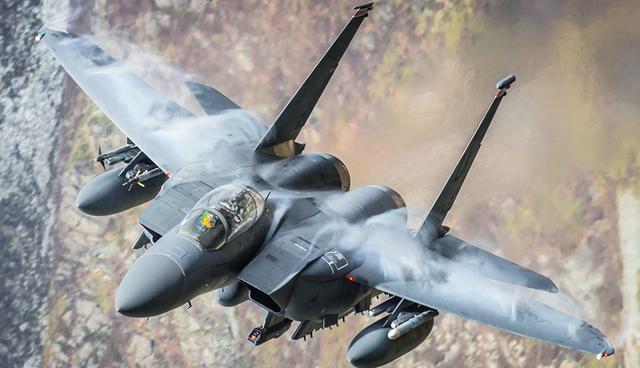
While cold weather presents one set of challenges, high temperatures and desert environments come with their own set of operational difficulties. The F-15 has repeatedly proven itself in the scorching heat of the Middle East, performing exceptionally well in desert climates where temperatures can exceed 50°C.
Heat and Dust Resistance
The F-15’s design incorporates several key features to enhance its performance in high-temperature environments, including:
- Engine Cooling Systems: The Pratt & Whitney F100 engines feature an advanced redundant cooling system that ensures consistent performance even in extremely high temperatures. This system prevents the engines from overheating, allowing them to maintain optimal thrust during long-duration missions in hot climates.
- Dust and Sand Protection: The aircraft is equipped with specialized filters on the intake ducts and avionics systems to protect against the harsh effects of desert dust and sand. These filters help maintain the integrity of the engine and electronics, preventing them from becoming clogged or damaged by fine sand particles.
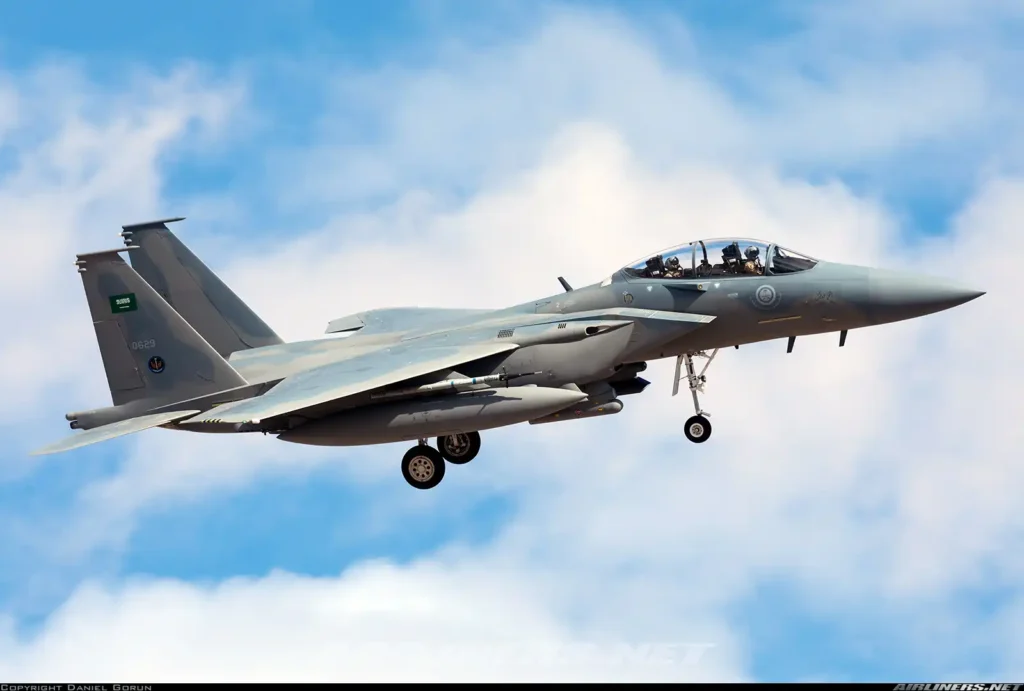
For instance, the Saudi Air Force’s F-15SA, deployed in the Saudi Arabian desert, has demonstrated its ability to execute high-performance missions in temperatures exceeding 50°C. Equipped with upgraded radar systems such as the AN/APG-63(V)3, the F-15SA maintains operational effectiveness even under challenging heat and sandstorm conditions.
Aircraft Systems and Avionics in High Temperatures
The F-15’s avionics systems are designed to withstand the heat of the desert. Modern F-15EX models are equipped with advanced digital avionics systems like the AN/APG-82(V)1 active electronically scanned array (AESA) radar, which operates reliably under both high temperature and dusty conditions. This cutting-edge radar system is crucial for mission success in environments where electromagnetic interference and harsh weather conditions are prevalent.
Structural Integrity and Durability
In extreme heat, the expansion and contraction of the aircraft’s structure can lead to significant stress. The F-15’s airframe is designed to accommodate these stresses, ensuring the aircraft remains aerodynamically stable and capable of withstanding the intense thermal fluctuations encountered during extended missions in the desert.
Aerodynamic Design and Structural Enhancements
The F-15 features several key design elements that enhance its performance across extreme climates, such as its wide wingspan and full-moving horizontal tailplanes. These features are crucial for providing stability during high-speed maneuvers, particularly when flying at high altitudes or in turbulent weather.
High-Speed Maneuverability and Stability
One of the standout features of the F-15 is its ability to maintain stability and maneuverability even in high altitudes or high temperatures. The aircraft’s large wings and tail stabilizers provide excellent control, allowing it to maintain 2.5 Mach speeds even when operating at high altitudes or in thin air.
Vibration and Shock Absorption
The F-15’s structural integrity has been reinforced to prevent issues such as vibration or shock-induced failure. This is particularly important when operating in extreme conditions like turbulent weather or during high-speed dives at high altitudes, where the stress on the airframe can be immense. Early F-15 models had issues with vibration at high speeds, but with wingtip modifications and structural improvements, these issues were resolved, improving the aircraft’s handling and control.
Modern F-15EX Upgrades for Extreme Climate Adaptation
The latest iteration of the F-15 series, the F-15EX, has received several key upgrades that further enhance its ability to perform in extreme environments.
Advanced Engine and Cooling Systems
The F-15EX boasts improved engine performance, with updated F110 engines that are more fuel-efficient and better equipped to handle high-temperatures. These engines also come with advanced cooling systems, enabling the aircraft to operate for extended periods in extremely hot environments without risking engine failure or performance degradation.
Enhanced Weapon and Payload Capacity
The F-15EX features an expanded payload capacity, with up to 12 external hardpoints for various weapons configurations. This upgrade allows the aircraft to carry a diverse range of munitions, making it even more adaptable to different mission requirements, whether in Arctic or desert environments.
Upgraded Radar and Electronic Warfare Systems
Equipped with the AN/APG-82(V)1 radar, the F-15EX can maintain target acquisition and engagement capabilities even in challenging electromagnetic environments. This advanced radar system is capable of detecting threats and tracking targets with high precision, even in extreme weather conditions, such as electromagnetic interference or heavy storms.
Real-World Combat and Operational Performance
The F-15’s extreme climate capabilities have been tested and proven in real-world combat scenarios across the globe. Whether in the freezing cold of the Arctic or the blistering heat of the Middle East, the F-15 has consistently delivered superior performance.
Desert Storm Operations
During Operation Desert Storm, the F-15C was deployed to engage in combat in the harsh desert and high-temperature conditions. The aircraft achieved notable success, including multiple kills of enemy aircraft, with no recorded failures due to extreme climate conditions. Its ability to operate in high-temperature environments, coupled with its exceptional aerodynamic stability, made it a formidable force in the Gulf region.
Arctic Operations and Cold-Weather Patrols
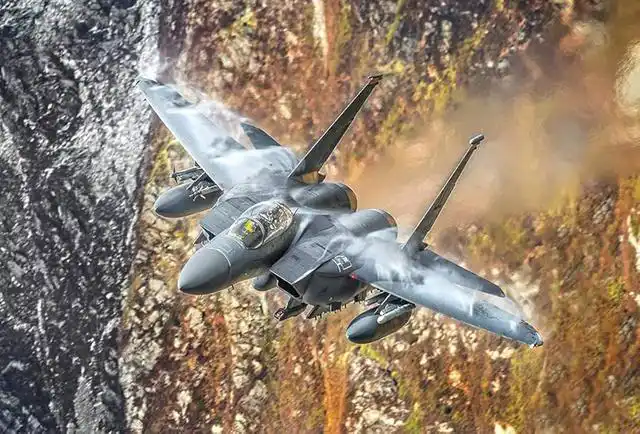
On the opposite end of the spectrum, the F-15 has been used extensively in Arctic missions, where it operates under freezing temperatures as low as -40°C. These operations have consistently proven the aircraft’s ability to start its engines and maintain flight performance in severe cold conditions, with no major mechanical failures.
Conclusion
The F-15 has proven to be one of the most versatile and reliable aircraft ever designed, with exceptional performance in both extreme cold and extreme heat. Its ability to perform in such diverse environments speaks to the aircraft’s remarkable engineering and its capacity to adapt to a wide range of mission scenarios. As newer versions like the F-15EX continue to enter service, the aircraft’s legacy as a multi-environment combat platform will only grow stronger, securing its place as one of the most capable and reliable fighters in the world.