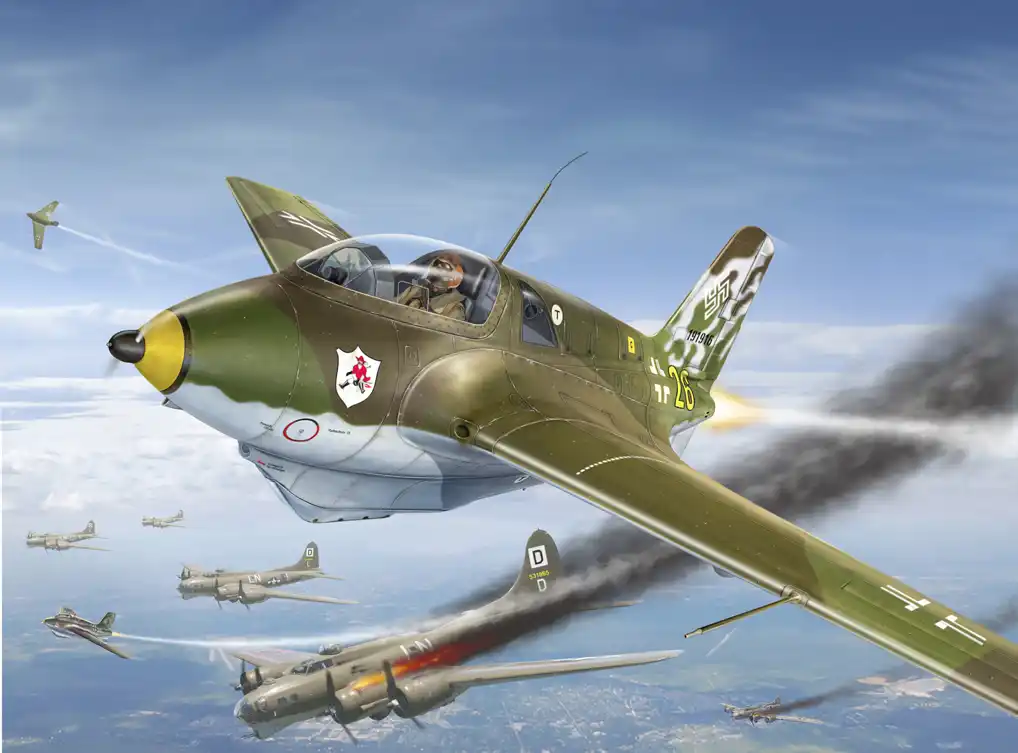
World War II was a defining period in the history of aviation, with many advanced aircraft developed for combat. Among these, the Messerschmitt Me 163 Komet stands out not only because of its speed and technological innovation but also due to the extreme challenges it presented to its pilots. The Me 163 Komet was a revolutionary rocket-powered aircraft, but it was also regarded as one of the most dangerous and hardest to fly. This article delves deeply into the factors that made the Me 163 Komet so difficult to operate, comparing it with other WWII fighters, and providing an exhaustive exploration of its design, operational hazards, and the pilot’s perspective.
The Design of the Messerschmitt Me 163 Komet
A Revolutionary Rocket-Powered Interceptor
The Messerschmitt Me 163 Komet was a German interceptor aircraft designed to counter Allied bombers during World War II. Unlike most WWII fighters that relied on conventional piston engines, the Me 163 was powered by a rocket engine. This innovative design was powered by a Walter HWK 109-509 rocket engine, which burned two highly volatile fuels: T-Stoff (hydrogen peroxide) and C-Stoff (a mixture of hydrazine hydrate, methyl alcohol, and water). These chemicals were not only dangerous due to their corrosive properties but also extremely prone to combustion and explosion.
Speed and Agility: A Double-Edged Sword
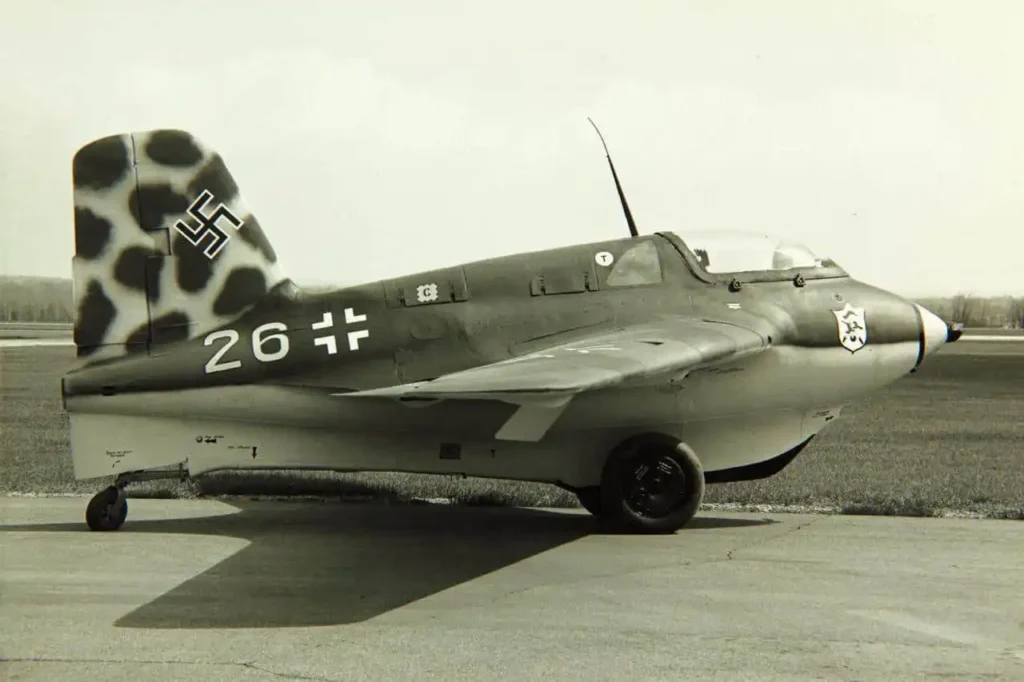
The Komet’s rocket engine allowed it to achieve incredible speeds—far exceeding those of any other contemporary fighter. With a top speed over 1,000 km/h (620 mph), the Me 163 was faster than the renowned Supermarine Spitfire or Focke-Wulf Fw 190. However, this immense speed came with its own set of challenges. The aircraft’s high velocity made it difficult to handle, especially during sharp turns or evasive maneuvers, where precise control was essential. Additionally, the high-speed performance demanded near-perfect flying skills, as even the slightest miscalculation could result in catastrophic failure.
The Challenges of Flying the Me 163 Komet
Hazards of Rocket Propulsion: Volatility and Instability
The most prominent reason the Me 163 Komet was considered the hardest fighter to fly during WWII was the inherent dangers of its rocket propulsion system. The two fuels, T-Stoff and C-Stoff, while providing remarkable power, were highly unstable and posed significant risks both on the ground and in flight.
- Fuel Explosions: The fuel system was prone to explosive failures. Even minor leaks or mishandling of the chemicals could cause catastrophic explosions, often during fueling, startup, or landing procedures. Pilots and ground crews were frequently exposed to these risks, and many lost their lives due to fuel-related accidents. In fact, some sources describe how the aircraft’s fuel was so dangerous that it “dissolved” pilots—literally burning them alive upon exposure to the volatile chemicals.
- Startup and Landing: The rocket engine also created issues during startup, as the fuel system was susceptible to cavitation and malfunction. A single mistake in the process could lead to disastrous results. Furthermore, landing the Me 163 Komet was extremely difficult. The aircraft had no conventional landing gear and instead used a tailwheel arrangement, which often resulted in a high-speed landing and increased the likelihood of back injuries for pilots.
Limited Flight Time: A Constant Race Against the Clock
The Me 163’s operational flight time was incredibly short. Once its fuel was exhausted, the aircraft could no longer sustain powered flight. This meant that pilots had a flight window of about 7.5 minutes during which they had to complete their mission—typically an interception of enemy bombers. After exhausting the rocket fuel, the pilot would have to glide back to base, which posed additional risks. The glide back was a challenging maneuver as the aircraft’s design was not optimized for low-speed handling, making it vulnerable to enemy aircraft or anti-aircraft fire.
High-Speed Handling: The Need for Precision
Flying at speeds exceeding 1,000 km/h meant that the Me 163 Komet required exceptional skill and concentration. The aircraft was prone to turbulent airflows and was difficult to control at lower speeds, especially during landing or evasive maneuvers. Pilots had to have a near-perfect sense of speed management and control to prevent the aircraft from diving uncontrollably or stalling. The speed, coupled with the aircraft’s high wing loading, made it unstable in some situations, requiring advanced piloting skills to maintain control.
The Dangers of the Me 163 Komet: More Dangerous to Its Own Pilots Than to the Enemy
Despite its speed and advanced design, the Me 163 Komet was, in many respects, more dangerous to its own pilots than to enemy forces. Historical accounts reveal that the aircraft’s rocket propulsion system was the primary hazard—many pilots were killed due to fuel explosions or accidents on the ground, rather than in combat.
- Pilot Fatalities: The aircraft’s lethal nature meant that only a select few pilots were willing to volunteer for its dangerous missions. It is said that only 30 men volunteered for flight tests, underlining the extreme risk associated with flying the Komet. Some pilots who survived the rocket-powered flight described it as a “gamble between life and death”.
- Ground Crew Hazards: Even ground crews were not exempt from the dangers of the Me 163. The highly volatile fuel could ignite unexpectedly, leading to deadly explosions during routine maintenance and refueling. The aircraft’s handling on the ground was also problematic, with frequent issues arising during takeoff due to the narrow landing gear and the unstable rocket engine.
Comparison with Other Difficult WWII Fighters
While the Messerschmitt Me 163 Komet stands out as the hardest WWII fighter to fly, it is important to compare it with other aircraft that were also considered challenging to operate.
Vought F4U Corsair
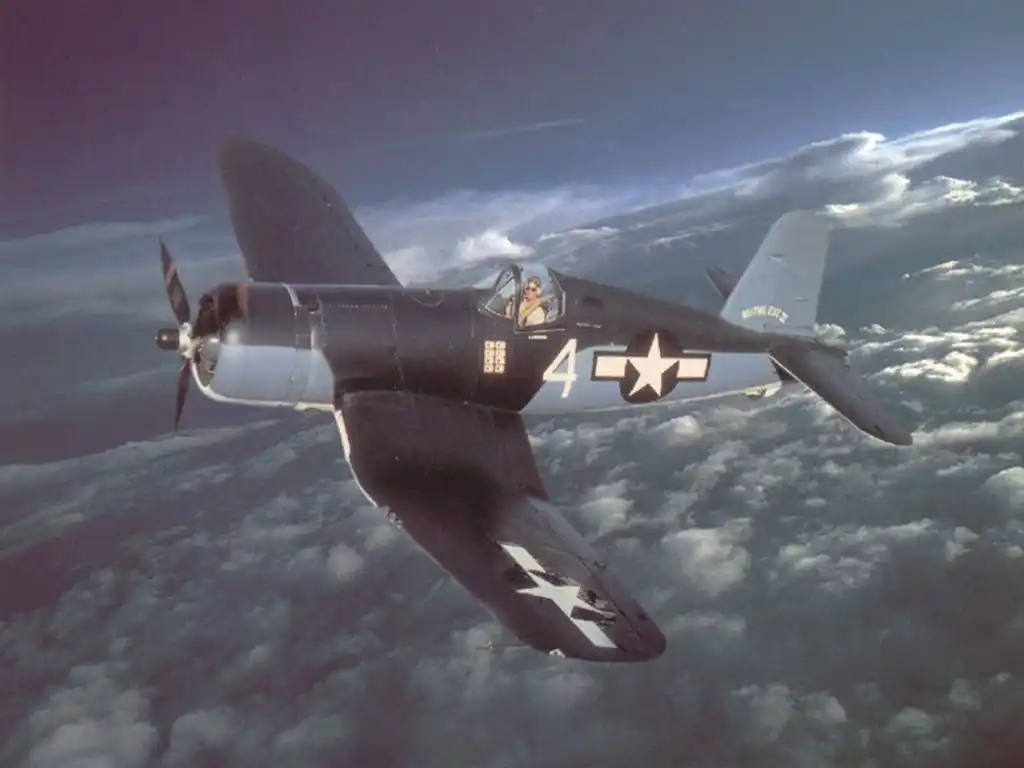
The F4U Corsair, known for its distinctive inverted gull wing, was one of the most successful American fighters of the war. However, it had significant carrier landing difficulties. Pilots often struggled with poor visibility during landings, making it difficult to judge their approach, and the aircraft had a tendency to bounce upon landing. These issues were eventually addressed through modifications and pilot training, but the aircraft remained challenging to operate in certain conditions, particularly during carrier operations.
Lockheed P-38 Lightning
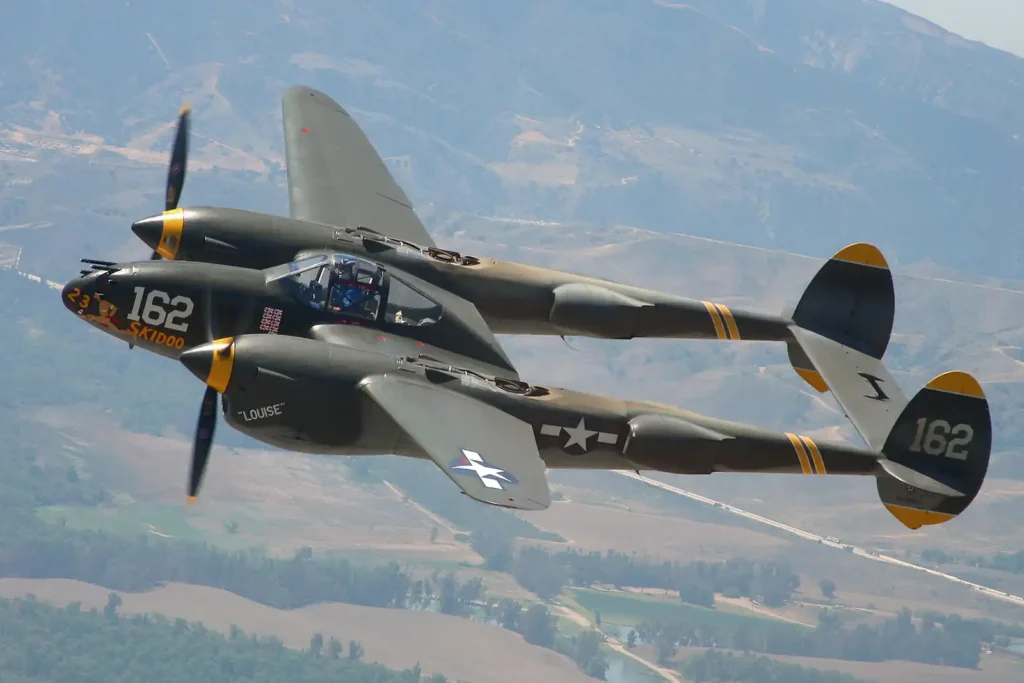
The P-38 Lightning was a powerful and effective long-range fighter used by the United States. However, it had a few distinct handling challenges, particularly in high-speed dives. Its twin-engine design made it more complicated to manage, and the aircraft had a compressibility issue during high-speed dives, which required special handling to avoid loss of control. Despite these challenges, the P-38 was ultimately manageable for experienced pilots.
Yakovlev Yak-9
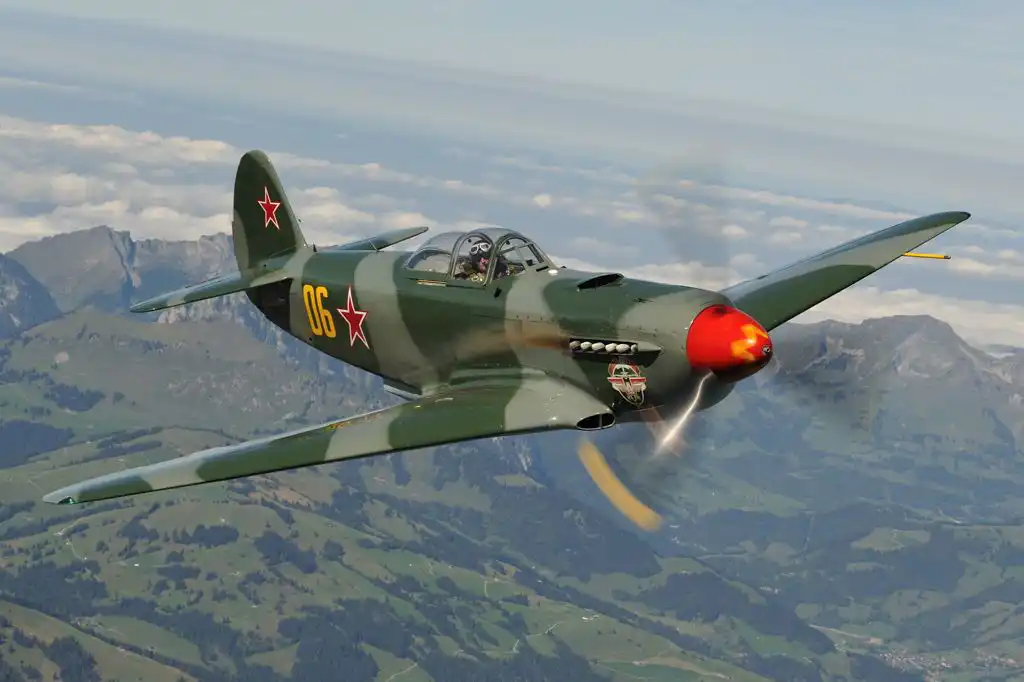
The Yakovlev Yak-9, a Soviet fighter, was generally considered easier to handle compared to the Me 163. While it had some issues with engine overheating and was prone to stalling in certain conditions, it was regarded as relatively stable and easy to fly. The Yak-9 was widely praised for its maneuverability and ease of operation, especially in comparison to aircraft like the F4U Corsair and the Me 163 Komet.
Hawker Typhoon
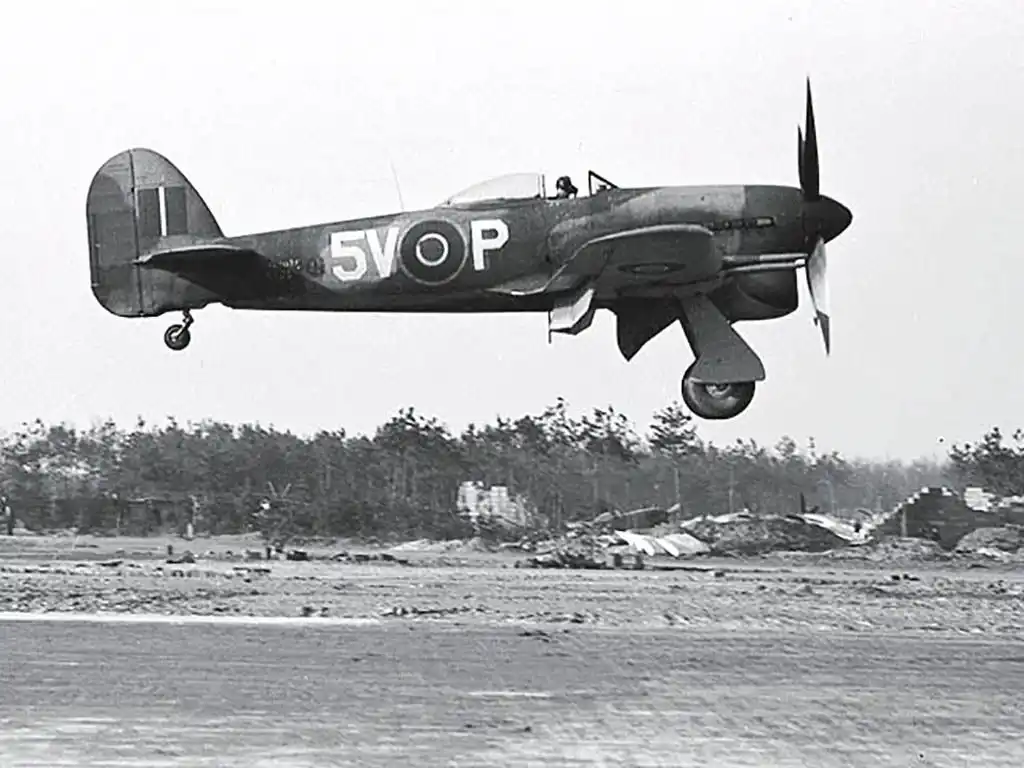
The Hawker Typhoon was a British fighter renowned for its firepower and durability. However, it faced significant engine reliability issues, particularly in the early models, which led to some dangerous situations during combat. Additionally, early variants of the Typhoon experienced issues with the tailplane in high-speed dives, leading to tail failures. Despite these issues, the aircraft was eventually improved and became a formidable force in the skies.
Conclusion: The Me 163 Komet – A Fighter Like No Other
The Messerschmitt Me 163 Komet stands as one of the most challenging and dangerous aircraft in the history of aviation. Its rocket propulsion system, short flight duration, and high-speed characteristics made it an incredibly difficult plane to fly. While other WWII fighters had their own unique challenges, none combined the same level of risk and complexity as the Me 163 Komet. Its design, fueled by volatile chemicals, demanded exceptional skill, concentration, and nerve from its pilots, who faced constant danger both in the air and on the ground.
Ultimately, the Me 163 Komet’s legacy is one of technological innovation, but also one of tragic loss, as many pilots and ground crew members paid the ultimate price in its pursuit. Its place as the hardest WWII fighter to fly is not only justified but underscored by the numerous accounts of its dangers and the difficulties inherent in its operation. Despite its short-lived service, the Komet remains a symbol of the extreme risks faced by those who flew it and a testament to the harsh realities of World War II aviation.