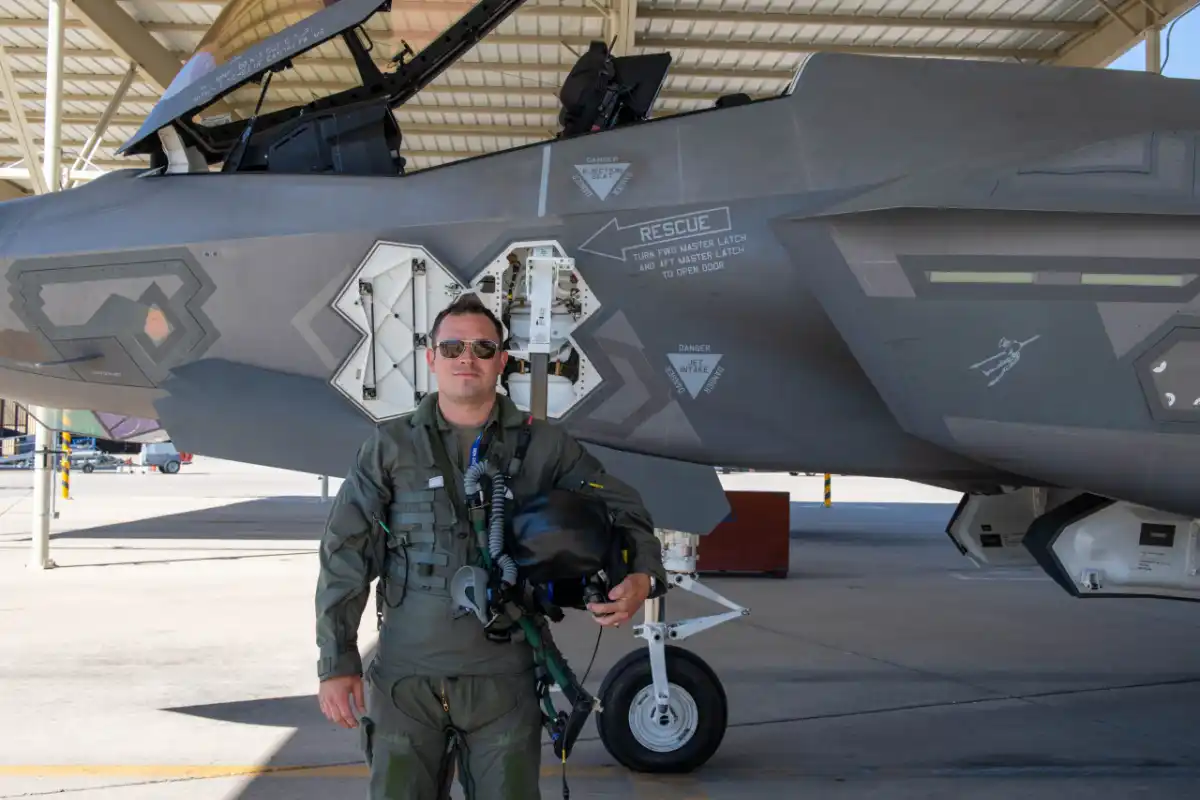
The F-35 fighter jet is a sophisticated and cutting-edge aircraft used by the United States and allied forces worldwide. Pilots who operate this fifth-generation fighter are highly trained officers, and their compensation reflects the advanced skills and expertise required to fly such an aircraft. This article delves into the details of the F-35 pilot salary, breaking down the components of their pay, including base salary, allowances, bonuses, and other factors that contribute to their total compensation.
Overview of F-35 Pilot Salaries
The salary of an F-35 pilot can vary significantly based on several factors, including rank, years of service, and location. On average, the annual salary of an F-35 pilot is estimated to be around $130,000. However, this figure can fluctuate, with some pilots earning as much as $145,000 annually, depending on their specific circumstances.
Key Salary Components
F-35 pilots are typically officers in the U.S. Air Force, and their salary consists of several key components:
- Base Pay: This is determined by the pilot’s rank and years of service.
- Aviation Career Incentive Pay (ACIP): A monthly incentive for pilots, reflecting their aviation experience.
- Basic Allowance for Housing (BAH): A location-based allowance designed to cover housing costs.
- Basic Allowance for Subsistence (BAS): A fixed allowance to cover food expenses.
- Retention Bonuses: Some pilots are eligible for additional bonuses to encourage them to stay in service longer.
These components combine to create a comprehensive compensation package for F-35 pilots, which can be significantly enhanced through retention bonuses.
Rank and Experience: The Primary Drivers of Salary
Base Pay and Rank
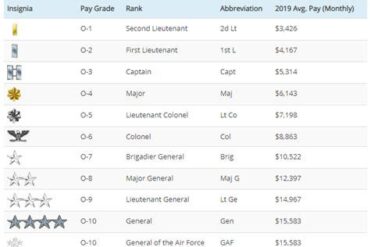
An F-35 pilot’s base pay is determined primarily by their rank and years of service. The U.S. military follows a structured pay scale, with higher ranks and longer service translating into higher base salaries. For instance:
- A Captain (O-3) with 8-10 years of service can expect a base pay of around $7,827.90 per month, or approximately $93,935 annually.
- A Major (O-4) with 10-12 years of service can earn $9,526.20 per month, which totals around $114,314 annually.
This base pay forms the core of the pilot’s earnings, and it increases with both rank and years of service, reflecting the growing responsibility and experience of the pilot.
Aviation Career Incentive Pay (ACIP)
In addition to base pay, F-35 pilots receive Aviation Career Incentive Pay (ACIP), which is designed to reward pilots for their continued aviation service. The amount varies based on the pilot’s years of experience. For example:
- Pilots with 8-10 years of aviation service can receive $350 per month.
- Those with 10-12 years of experience can receive $400 per month.
This monthly allowance, while not substantial on its own, adds to the overall compensation package, especially when combined with other allowances.
Allowances: Housing and Subsistence Benefits
F-35 pilots are also eligible for various allowances that help offset their living expenses. These include the Basic Allowance for Housing (BAH) and the Basic Allowance for Subsistence (BAS).
Basic Allowance for Housing (BAH)
The Basic Allowance for Housing (BAH) is designed to cover the pilot’s housing costs, and the amount varies based on the pilot’s location and whether they have dependents. For example, at Eglin Air Force Base in Florida, a Captain (O-3) with dependents would receive a BAH of approximately $1,566 per month in 2025. For a Major (O-4), this amount could increase to around $1,670 per month depending on the location.
This allowance ensures that pilots are provided with decent housing, especially when stationed in areas with high living costs. The exact amount can differ significantly based on where the pilot is stationed.
Basic Allowance for Subsistence (BAS)
The Basic Allowance for Subsistence (BAS) is a fixed monthly allowance intended to cover food expenses. As of 2025, all officers, including F-35 pilots, are eligible for a BAS of $467.92 per month. While this amount may seem modest, it is a guaranteed part of a pilot’s compensation and helps offset the cost of meals.
Retention Bonuses: A Key Component of Compensation
In recent years, the U.S. Air Force has introduced retention bonuses to encourage experienced pilots to stay in service for extended periods. These bonuses can significantly increase an F-35 pilot’s total compensation.
Retention Bonuses Overview
The U.S. Air Force offers retention bonuses of up to $50,000 per year for pilots who extend their service. These bonuses are typically awarded to experienced pilots who have specialized skills, such as those flying the F-35. The retention bonus is not guaranteed, as it depends on the terms of the pilot’s contract and the needs of the Air Force.
Impact of Retention Bonuses on Salary
For a pilot receiving a $50,000 annual retention bonus, their total compensation could exceed $180,000 per year. This is a significant increase, making the F-35 pilot position even more lucrative for those willing to extend their service. However, not all pilots will receive these bonuses, and the amount can vary depending on the Air Force’s retention needs.
Calculating the Total Compensation
To understand the total compensation of an F-35 pilot, let’s break down a typical example based on rank and years of service.
Example 1: Captain (O-3) with 8-10 Years of Service
For a Captain (O-3) with 8-10 years of service, their monthly compensation could be as follows:
- Base Pay: $7,827.90
- ACIP: $350
- BAH: $1,566 (for a location like Eglin AFB, Florida)
- BAS: $467.92
Total Monthly Compensation: $10,211.82
Total Annual Compensation: $122,541.84
Example 2: Major (O-4) with 10-12 Years of Service
For a Major (O-4) with 10-12 years of service, the monthly breakdown is as follows:
- Base Pay: $9,526.20
- ACIP: $400
- BAH: $1,670
- BAS: $467.92
Total Monthly Compensation: $12,064.12
Total Annual Compensation: $144,769.44
These examples highlight the salary range for F-35 pilots, typically between $122,000 and $145,000 annually. The final compensation will depend on the pilot’s rank, years of service, and location.
Demographics of F-35 Pilots
F-35 pilots are generally military officers in their late 20s to early 40s, with a considerable amount of flying experience. Most pilots begin their careers as Second Lieutenants or First Lieutenants and work their way up to Captain or Major status by the time they begin flying advanced aircraft like the F-35.
Age Range and Experience
The optimal age for a fighter pilot is typically between 25 and 34 years. This age range reflects the ideal balance of experience and physical ability. Most F-35 pilots fall within this demographic, as they tend to have 8-12 years of service before transitioning to this advanced aircraft. The age and experience of a pilot directly influence their salary, with more experienced pilots commanding higher pay.
Comparison with Other Pilot Salaries
While F-35 pilots are among the best-paid in the military, Air Force pilots in general have varying salary scales. According to ZipRecruiter, the average salary for an F-35 pilot as of February 2025 is $130,916, which aligns with the $130,000 range discussed earlier. Other sources like Glassdoor estimate a slightly higher salary of $130,513 for Air Force pilots in general, which is also consistent with the data provided.
In comparison, the salary of other Air Force pilots may be lower, especially for those flying less advanced aircraft or with fewer years of experience. Therefore, F-35 pilots are typically among the highest earners in the Air Force.
Conclusion
In summary, the salary of an F-35 pilot is a combination of base pay, allowances, and bonuses. The average compensation is around $130,000 per year, but can vary from $122,000 to $145,000 depending on rank, experience, and location. Additional retention bonuses of up to $50,000 per year can further increase a pilot’s total earnings. Given the complexity and advanced nature of the F-35, pilots who operate this aircraft are compensated at a level that reflects their unique skills and experience.
For those interested in a career as an F-35 pilot, the financial rewards, combined with the prestige of flying one of the most advanced aircraft in the world, make this profession both lucrative and highly respected.