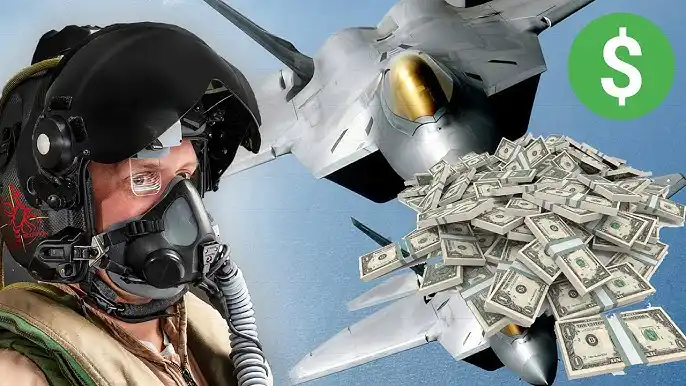
The question of how much F-35 pilots earn compared to F-22 pilots in 2026 tends to spark more confusion than clarity, largely because it assumes there is a pay gap tied to aircraft type. In reality, the United States Air Force does not assign salaries based on whether a pilot flies a Lightning II or a Raptor. Instead, compensation is anchored to rank, years of service, and a layered system of allowances and bonuses that apply across the fighter community as a whole.
Fighter pilots operating the most advanced stealth aircraft in the world all begin their careers as commissioned officers. Their responsibilities go far beyond flying—these individuals are entrusted with strategic decision-making, nuclear-capable mission readiness in some cases, and high-stakes combat authority where split-second choices can have geopolitical consequences. That level of responsibility is reflected in a compensation system that rewards leadership progression rather than aircraft assignment.
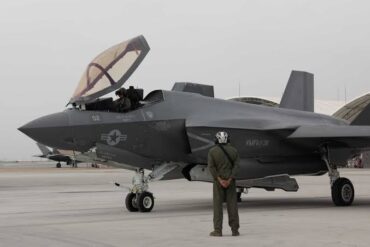
Because both the F-22 and F-35 are single-seat, frontline combat platforms, their pilots follow nearly identical career structures inside the Air Force. A Captain flying an F-35A at a combat wing is not paid differently from a Captain flying an F-22A at a Raptor unit, assuming similar time in service and qualifications. The aircraft may differ dramatically in mission profile, but the paycheck does not.
Fighter aviation in the USAF is designed around a unified career field known as 11F, which standardizes training pipelines, promotion timelines, and pay eligibility. This is why discussions comparing aircraft-specific salaries often miss the real drivers of income: promotions, flight hours, deployment cycles, and retention incentives.
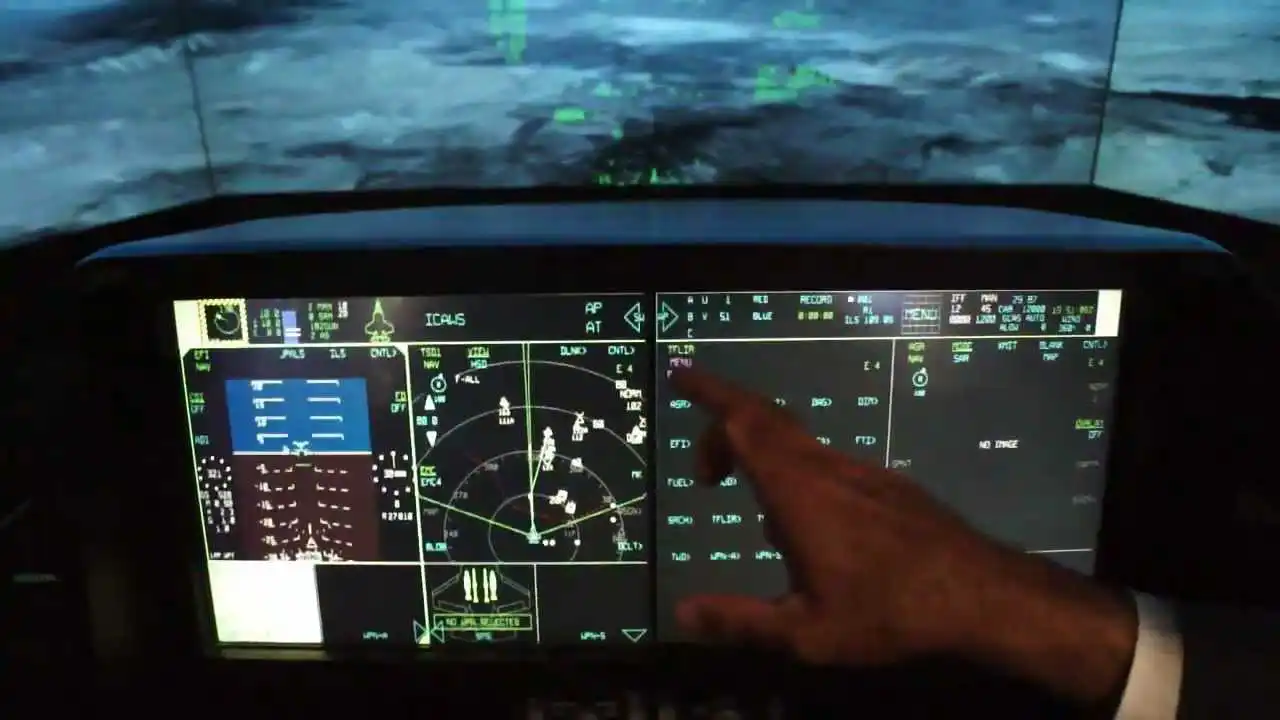
Why Aircraft Type Does Not Determine Pilot Salary
A common misconception is that flying a more advanced or rarer aircraft automatically leads to higher pay. In practice, the Air Force avoids creating internal pay competition between platforms. If F-22 pilots earned more than F-35 pilots, it would distort assignment decisions and undermine operational flexibility.
Instead, both communities are treated as part of the same fighter ecosystem. Whether a pilot is assigned to an F-35A squadron at Eielson or an F-22 unit at Joint Base Langley–Eustis, their base compensation structure remains identical. The differentiation comes from operational demand rather than aircraft prestige.
What does vary is lifestyle. Some squadrons deploy more frequently, some participate in higher-tempo exercises, and some are more likely to rotate through overseas missions. These differences can indirectly influence total annual earnings through allowances, but not through base salary adjustments tied to aircraft type.
Base Pay Structure for F-22 and F-35 Pilots in 2026
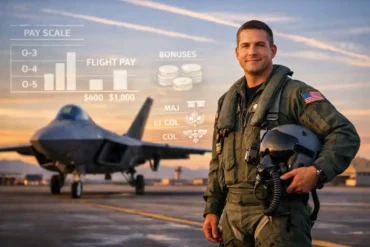
At the core of fighter pilot compensation is a standardized military pay scale tied to rank:
- O-1 to O-2 (Second Lieutenant / First Lieutenant): roughly $50,000–$65,000 base pay
- O-3 (Captain): approximately $80,000–$100,000 base pay
- O-4 to O-5 (Major / Lieutenant Colonel): roughly $110,000–$150,000+ base pay
- O-6 (Colonel): can exceed $150,000 depending on time in service
This structure applies universally across the fighter force. A Captain transitioning into an F-35 squadron does not see a salary change simply due to the aircraft. The same applies to a pilot upgrading into an F-22 assignment after completing training pipelines.
What changes over time is progression. Most operational fighter pilots in combat squadrons sit in the O-3 to O-4 range, where total compensation begins to significantly increase due to allowances layered on top of base pay.
Total Compensation: Flight Pay, Allowances, and Real Earnings
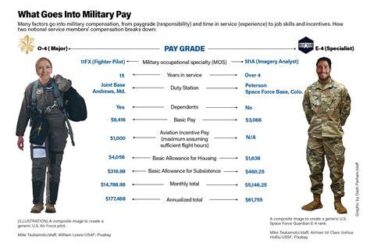
Base salary alone does not reflect what fighter pilots actually take home. Once aviation-specific compensation is included, earnings increase significantly.
Flight pay, housing allowances, and deployment-related benefits raise total compensation into higher brackets:
- Lieutenants: roughly $75,000–$95,000 total compensation
- Captains: about $100,000–$140,000
- Majors and above: often $150,000–$200,000+ depending on service conditions
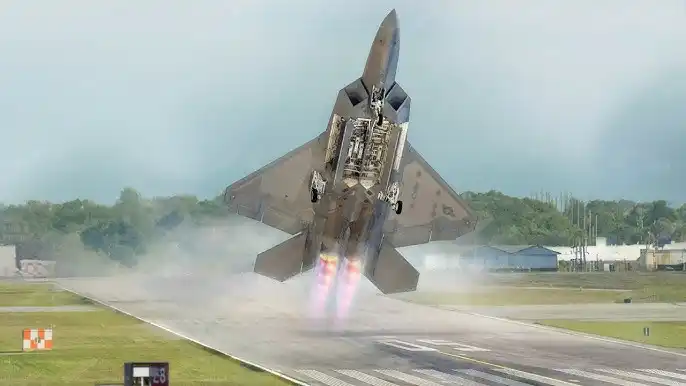
These figures apply equally to F-35 and F-22 pilots. The Air Force does not separate incentive structures by platform. Instead, it compensates based on aviation status and operational duty requirements.
The most significant variable affecting take-home pay is not aircraft type but time spent deployed or assigned to high-tempo operational units. A pilot flying combat air patrols or participating in extended exercises may receive additional allowances that marginally increase annual income.
Aviation Bonus Programs and Retention Incentives
One of the most important financial drivers for fighter pilots in 2026 is the Aviation Bonus (AvB) program. This system exists to retain experienced pilots in uniform rather than losing them to commercial airlines.
The program can offer up to $50,000 per year in additional compensation for officers who commit to continued service. On average, fighter pilots receiving retention bonuses earn an extra $25,000 to $40,000 annually, depending on contract length and career timing.
These bonuses apply across the fighter community without distinguishing between aircraft types. An F-22 pilot and an F-35 pilot with identical rank and commitment status receive comparable offers.
This is particularly important because the Air Force continues to face retention pressure. Commercial airlines often attract experienced military pilots with significantly higher salaries, sometimes exceeding $400,000 annually for senior widebody captains. The military compensates for this gap through structured bonuses rather than aircraft-specific pay increases.
Operational Reality: F-35 vs F-22 Assignments
While pay is standardized, operational reality is not. The F-22 Raptor fleet is significantly smaller, with fewer than 200 aircraft in service. The F-35A fleet, by contrast, numbers in the hundreds and continues expanding toward long-term acquisition goals exceeding 1,700 aircraft.
This difference affects pilot experience in subtle ways. F-35 squadrons often participate in broader multi-role missions, including strike coordination and electronic warfare integration. F-22 units focus heavily on air dominance and high-end intercept missions.
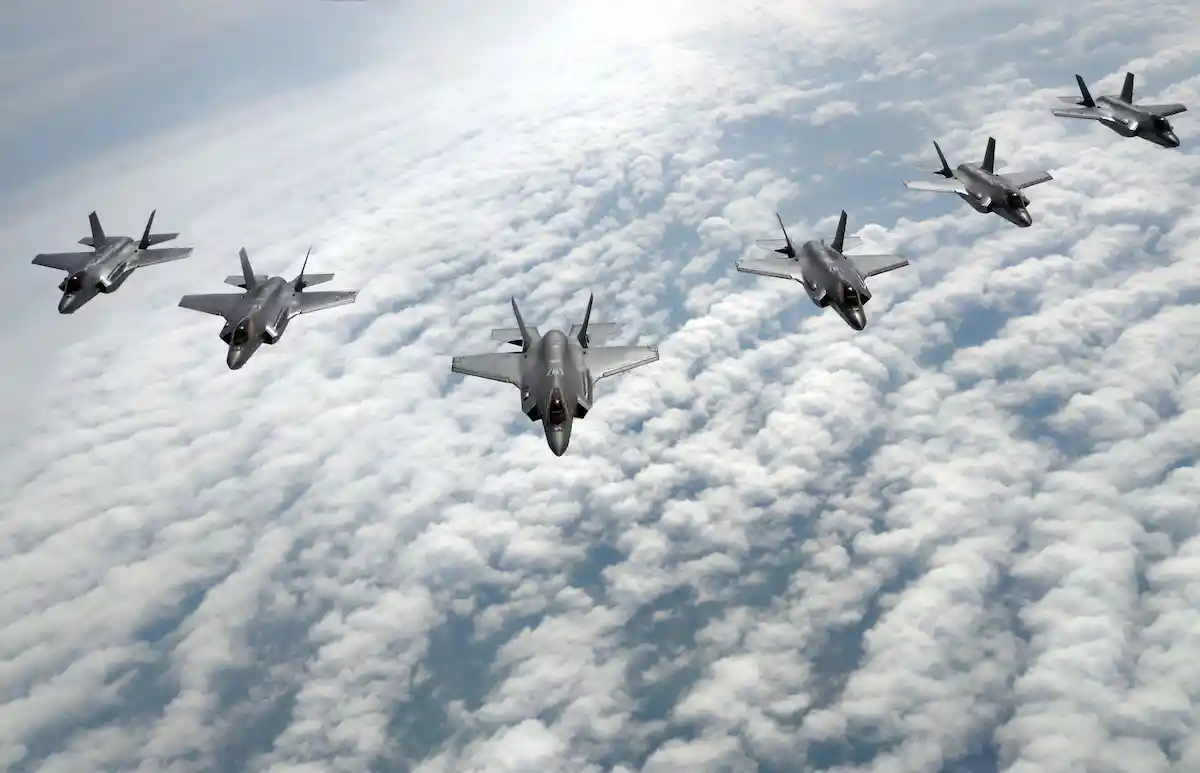
Because of these differences, deployment frequency and mission tempo can vary. In some cases, this may influence flight hours or temporary duty assignments, which indirectly affect allowances. However, these variations do not translate into structural pay differences.
Instead, they shape experience, career progression, and future assignment opportunities rather than salary brackets.
Training Costs and Why Pilots Are Treated as High-Value Assets
Training a fighter pilot represents one of the most expensive investments in the military system. Estimates place the cost of training an F-22 pilot at over $10 million, with modern inflation-adjusted figures pushing closer to $14–17 million depending on methodology.
F-35 pilot training costs are similarly high, generally ranging between $12–15 million per pilot when adjusted to 2026 values.
These figures highlight why compensation systems emphasize retention. The Air Force is not simply paying for flight time; it is protecting a multi-million-dollar training investment.
Pilot inventory estimates suggest:
- F-22 qualified pilots: roughly 200–280
- F-35 qualified pilots: approximately 650–850
This disparity reflects fleet size and production scale rather than pay differentiation. A larger fleet simply requires more trained aviators, not higher salaries per pilot.
Career Progression and Long-Term Earnings Potential
Over time, fighter pilots progress through command roles, staff positions, and advanced operational leadership. These promotions matter far more financially than aircraft assignment.
A typical earnings trajectory might look like this in real terms:
- Early career: mid-$70K range with allowances
- Mid-career Captain: $100K–$140K total
- Senior Major/Lieutenant Colonel: $150K–$200K+
- Colonel leadership roles: potentially higher with bonuses and special duties
Aircraft type does not alter this path. An F-35 pilot who becomes a squadron commander follows the same financial trajectory as an F-22 squadron commander.
Interestingly, the most significant divergence in lifetime earnings occurs not within the Air Force, but after separation. Many former fighter pilots transition into commercial aviation, where senior captains on long-haul routes can exceed $300,000–$450,000 annually.
The Real Answer Behind the Pay Comparison
When stripping away assumptions, the conclusion becomes straightforward: F-35 and F-22 pilots earn essentially the same in 2026 under equivalent conditions. Any differences in annual income are driven by rank, time in service, deployment patterns, and bonus eligibility—not aircraft assignment.
The Air Force deliberately avoids tying compensation to platform type to maintain flexibility across its fighter fleet. This ensures that pilots are selected based on operational need rather than financial incentives tied to specific jets.
In practice, the real distinction between F-35 and F-22 pilots lies in mission roles, fleet size, and strategic emphasis—not paycheck size.