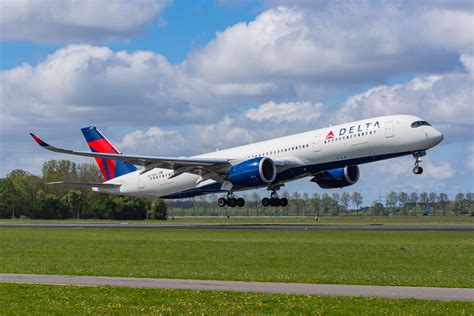
The transformation of pilot compensation in 2026 is nothing short of extraordinary. At Delta Air Lines, salaries have surged to levels once considered unimaginable, reflecting a broader shift in the global aviation economy. What was once a respected but financially inconsistent profession has re-emerged as one of the most lucrative and strategically vital careers in modern transportation.
This dramatic evolution is not accidental. It is the direct result of structural changes in the industry: a persistent shortage of qualified pilots, aggressive competition among major carriers, and a powerful rebound in global travel demand. Together, these forces have reshaped compensation frameworks, pushing Delta to the forefront of pilot pay worldwide.
The result is a compensation ecosystem where even early-career pilots can command six-figure incomes, while seasoned captains routinely enter earnings brackets comparable to senior executives in other industries. In 2026, Delta is not merely keeping pace—it is setting the benchmark.
A Decade of Transformation in Pilot Earnings
Over the past ten years, pilot salaries at Delta have undergone a dramatic recalibration. Before the COVID-19 pandemic, compensation was already competitive, but the latest labor agreements have elevated earnings to unprecedented levels. By 2026, pay for many pilots has risen by approximately 40% compared to the late 2010s, with the most significant gains concentrated among widebody international crews.
Entry-level first officers now begin their careers with salaries ranging from $100,000 to $140,000 annually, a figure that would have been considered exceptional not long ago. As pilots accumulate experience and seniority, their earning potential expands rapidly. Mid-career first officers frequently surpass $220,000 per year, especially when factoring in overtime and premium assignments.
At the top of the scale, senior captains flying long-haul international routes earn between $450,000 and $550,000, with total compensation packages sometimes exceeding these figures when bonuses and retirement contributions are included.
This sharp contrast becomes even more striking when viewed against historical benchmarks. In the early 2000s, regional airline pilots in the United States often earned less than $30,000 annually, despite rigorous training requirements and demanding schedules. Adjusted for inflation, that equates to roughly $60,000 today—barely half of what entry-level Delta pilots now earn.
The profession has undergone a full-circle revival, reclaiming its status as a highly desirable long-term career.
Delta vs. Competitors: Who Really Pays the Most?
In the competitive triangle formed by Delta, American, and United, pilot compensation has become a central battleground. Each airline has introduced substantial pay increases, but Delta consistently stands out due to its holistic approach to compensation.
While base salaries across these carriers are broadly similar, Delta’s advantage lies in its layered structure—combining strong base pay with industry-leading profit-sharing and retirement contributions.
Senior captains at competing airlines such as American and United can also earn upwards of $400,000 annually, occasionally approaching $500,000 in peak years. However, Delta’s financial consistency allows it to deliver more reliable bonus payouts, which significantly enhances total compensation.
Cargo operators like FedEx and UPS introduce another dimension to the comparison. At the highest levels of seniority, cargo pilots can rival or even exceed Delta earnings. Yet these roles often come with different lifestyle considerations, including overnight schedules and less passenger interaction.
Meanwhile, carriers like Southwest maintain strong compensation despite operating exclusively short-haul fleets. Senior captains there can earn over $300,000 annually, though their earnings ceiling typically falls below that of widebody international pilots at Delta.
Why International Airlines Are Falling Behind
For decades, global carriers such as Emirates, Lufthansa, and British Airways were seen as elite employers for pilots, offering prestige, global routes, and attractive benefits. In 2026, however, the financial balance has shifted decisively toward U.S. legacy airlines.
A senior Delta captain flying an Airbus A350 can earn well over $500,000 annually, a figure that significantly surpasses the typical earnings of European counterparts. Captains at major European airlines often earn between $180,000 and $320,000, depending on aircraft and seniority.

Middle Eastern airlines still offer compelling packages, particularly through tax-free income and lifestyle perks such as housing allowances, education support, and even chauffeur-driven transportation. For example, Emirates provides benefits that elevate total compensation to around $250,000 or more annually.
Yet even with these advantages, the highest-paid Delta pilots frequently out-earn their international peers. The difference becomes especially pronounced when retirement contributions and profit-sharing are included—areas where U.S. carriers excel.
The prestige gap may be narrowing, but the pay gap is widening.
Aircraft Type: The Hidden Driver of Pilot Income
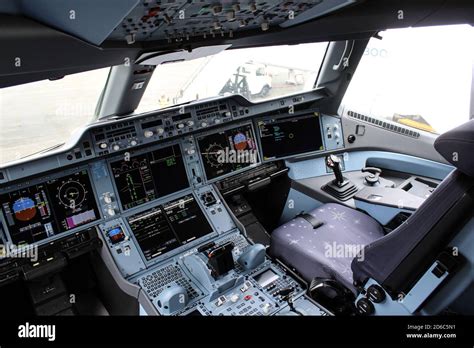
Not all pilot roles are created equal, and at Delta, aircraft assignment plays a critical role in determining income. Widebody aircraft such as the Airbus A350 and A330 represent the pinnacle of earning potential, largely due to their long-haul international operations.
Captains on these aircraft can command hourly rates exceeding $430 per flight hour, while senior first officers may earn more than $300 per hour. These rates, combined with extended flight durations and international allowances, create a powerful multiplier effect on annual income.
In contrast, pilots flying narrowbody aircraft like the Boeing 737 or Airbus A321 still earn strong salaries, but their compensation typically falls below that of widebody crews. Shorter routes, fewer overnight stays, and reduced premium pay opportunities all contribute to the difference.
Seniority further amplifies these disparities. Pilots with decades of experience not only access higher pay scales but also gain priority in bidding for lucrative routes and schedules.
The result is a layered system where experience, aircraft type, and route structure combine to define earning potential with remarkable precision.
Profit-Sharing and Retirement: The Real Wealth Engine
Beyond headline salaries, Delta’s compensation model distinguishes itself through two critical components: profit-sharing and retirement contributions.
Delta’s profit-sharing program is among the most generous in the airline industry. In strong financial years, pilots can receive bonuses worth tens of thousands of dollars, directly tied to company performance. This system aligns employee incentives with corporate success, creating a culture where financial growth is shared.
Equally significant is Delta’s retirement structure. The airline contributes a substantial percentage of pilot earnings—recently increased to 18% non-elective contributions—into retirement accounts.
For a senior captain earning $400,000 or more annually, this translates into retirement contributions exceeding $70,000 per year.
Over a multi-decade career, these contributions can accumulate into multimillion-dollar retirement portfolios, providing long-term financial security that few global airlines can match.
European carriers often rely on state-backed pension systems, while Middle Eastern airlines emphasize lifestyle benefits over long-term savings. Delta’s approach, by contrast, prioritizes wealth accumulation—an increasingly important factor for career-minded pilots.
The Global Pilot Shortage Driving Salary Growth
The surge in pilot salaries is not occurring in isolation. It is part of a broader global trend driven by a persistent shortage of qualified aviators.
Thousands of pilots exited the workforce during the pandemic, either through early retirement or career changes. At the same time, training pipelines struggled to keep pace with renewed demand as air travel rebounded sharply.
Industry forecasts suggest that more than 600,000 new pilots will be needed worldwide over the next two decades, with North America alone requiring approximately 120,000 additional pilots.

This imbalance between supply and demand has fundamentally shifted the negotiating power toward pilots. Airlines must now offer competitive compensation not only to attract new talent but also to retain experienced crews.
Delta’s salary structure reflects this reality. By offering industry-leading pay, robust benefits, and long-term financial incentives, the airline positions itself as a top destination for pilots seeking stability and growth.
The New Reality of Aviation Careers in 2026
In 2026, the narrative surrounding airline pilots has been rewritten. What was once a profession marked by financial uncertainty—especially in the early stages—has evolved into a high-reward career with clear upward mobility.
Delta Air Lines stands at the center of this transformation, demonstrating how strategic compensation can redefine an entire profession. From six-figure starting salaries to half-million-dollar earnings for senior captains, the airline has established a new global standard.
Yet the story is still unfolding. As pilot shortages persist and competition intensifies, compensation is likely to remain strong, if not continue rising. For aspiring pilots, the message is unmistakable: the skies are not only open—they are more rewarding than ever.