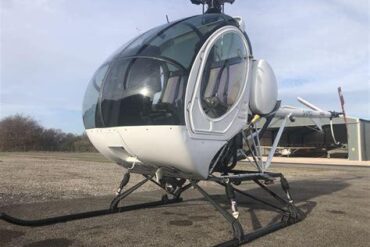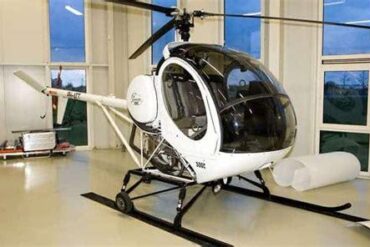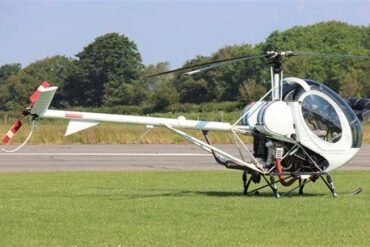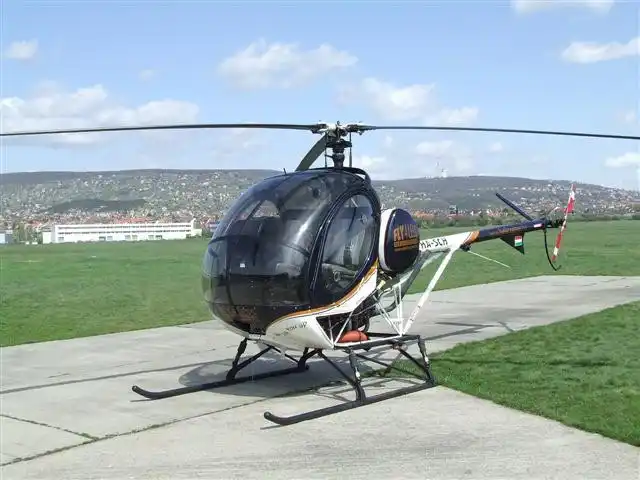
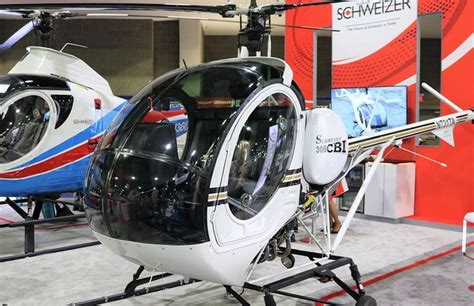
The Schweizer 300CBi™ represents an extraordinary blend of aeronautical engineering precision, military heritage, and civilian flight training excellence. Developed initially as a 2-seat military trainer, the aircraft was engineered to meet the U.S. Army’s demanding reliability and survivability requirements. Today, in its civilian form, the 300CBi retains the robust fundamentals of its military predecessor while offering a range of enhancements that make it the premier training helicopter in the world.
At the heart of its appeal lies a clear, proven commitment to safety, stability, and durability — all vital attributes for an effective training environment. Flight schools across continents recognize the 300CBi not only for its superior handling characteristics, but also for its role as a stepping stone toward more complex rotorcraft.
A Heritage of Reliability Rooted in Military Design
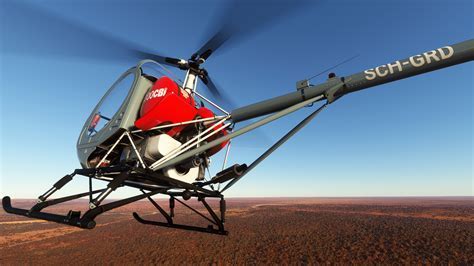
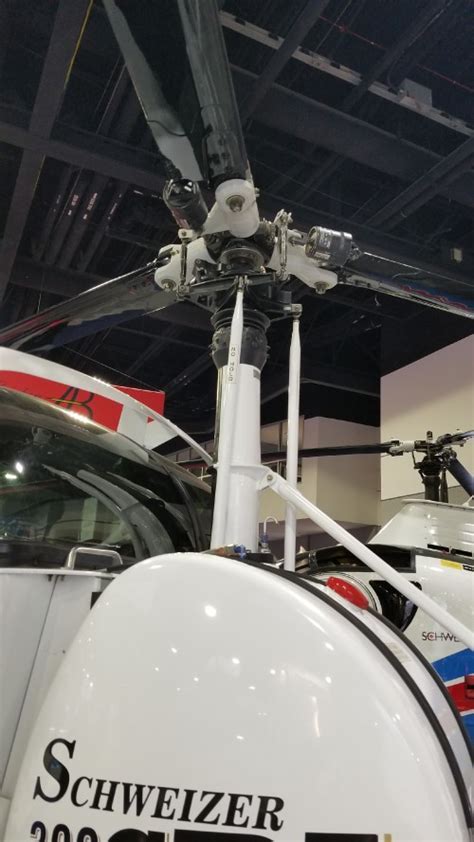
The original Schweizer 300 series was created to serve as a dependable training platform for the U.S. Army. From this pedigree, the S300CBi inherits a suite of features aimed at maximizing pilot survivability and mechanical reliability. With its fully articulated three-blade rotor system, the aircraft offers unparalleled autorotation capability, allowing students to practice emergency maneuvers with greater confidence.
Unlike many light helicopters built solely for private or recreational flying, the 300CBi was designed from day one as a training workhorse. This is evident in every structural decision — from the energy-absorbing landing gear to the reinforced rotor mast. The entire architecture of the aircraft is optimized for repeated takeoffs, landings, and high-volume usage, which are the hallmarks of flight school operations.
Safety: The Pinnacle of Schweizer Engineering
Few rotorcraft in its class can claim the safety legacy that Schweizer helicopters have maintained. According to the National Transportation Safety Board (NTSB), the 300CBi holds the highest safety record among all FAA-certified piston-powered helicopters. This fact alone makes it a compelling choice for operators focused on minimizing risk.
Redundancy in control systems, simple mechanical layouts, and excellent in-cockpit visibility all contribute to this record. Not only are accidents less likely in a 300CBi, but when they do occur, the design mitigates impact forces, often reducing injury and equipment damage. Flight schools worldwide rely on this proven safety profile to build student confidence and reduce insurance premiums.
Performance Characteristics: Engineered for Mastery
The Textron Lycoming HIO–360-G1A powerplant provides 180 shaft horsepower, delivering smooth, responsive control ideal for student pilots. Performance metrics reflect a solid balance between agility and manageability:
- Maximum Speed (VNE): 94 knots (174 km/h)
- Cruise Speed: 80 knots (148 km/h)
- Hover Ceiling In-Ground-Effect (IGE): 7,000 ft (2,133 m)
- Hover Ceiling Out-of-Ground-Effect (OGE): 4,800 ft (1,463 m)
- Standard Range: 32.5 gallons
- Extended Range: 64.0 gallons
These figures ensure that the 300CBi operates well within the envelope needed for training, search and rescue preparation, and advanced maneuvers. With smooth cyclic and collective responses, it offers a predictable flight experience, critical during early hours of flight training.
Built for Longevity: Rugged Component Design
Durability is another cornerstone of the 300CBi’s value proposition. Unlike aircraft repurposed for instruction, this model is intentionally engineered to withstand the rigors of training. Key components include:
- Forgiving rotor system built to endure repeated autorotations
- Steel tube fuselage for structural integrity
- Reinforced skids capable of absorbing rough landings
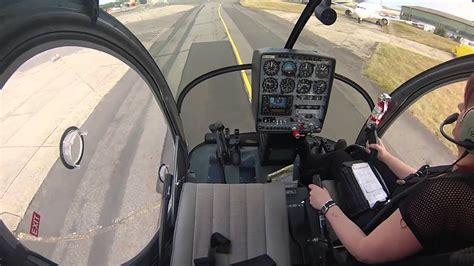
- Spacious canopy offering all-round visibility
These characteristics allow instructors to simulate diverse scenarios without risking the mechanical health of the aircraft. Combined with easily accessible maintenance points, the 300CBi becomes not only a pilot’s tool but also a mechanic’s ally.
Cabin Comfort and Ergonomics: Training Without Compromise
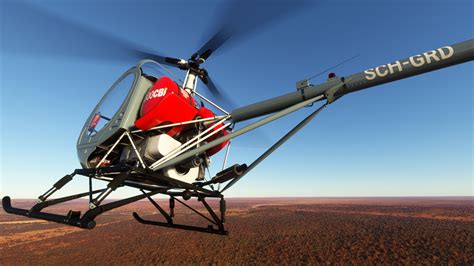
In flight training, cabin environment matters just as much as mechanical reliability. The S300CBi offers a roomy cockpit with excellent ergonomics for both student and instructor. With 4.92 feet of cabin width, occupants have ample room for mobility, which is particularly valuable during extended sessions.
The helicopter accommodates:
- 2-person training configuration
- 3-person certified utility configuration
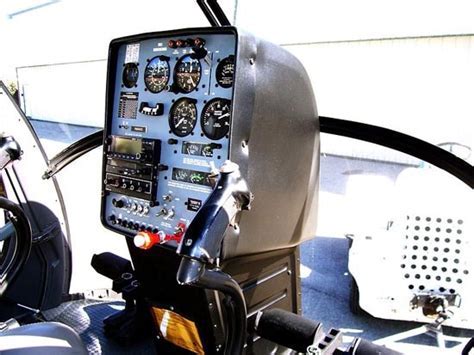
Its canopy-style design offers nearly unobstructed vertical and lateral visibility, crucial for teaching hovering techniques, confined area operations, and spot landings. The instrument panel is logically arranged with standard FAA flight instruments, reducing the transition time to larger aircraft types.
Versatility in Real-World Applications
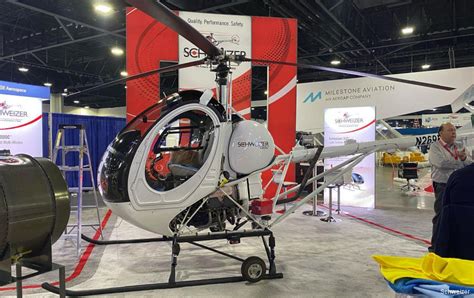
Though it shines as a trainer, the 300CBi is not limited to academia. With a maximum takeoff weight of 1,750 lbs (794 kg) and useful load of 648 lbs (294 kg), this rotorcraft can be employed in various light utility roles, including:
- Aerial photography
- Agricultural survey
- Pipeline monitoring
- Search and rescue prep training
Its extended fuel range of 64 gallons allows for longer operational windows, reducing refueling interruptions. Furthermore, the 300CBi’s tight footprint and agile controls make it ideal for urban operations or remote deployment where landing zones are limited.
Flight School Integration and Cost Efficiency
The 300CBi’s long-standing popularity among flight schools stems in part from its low direct operating costs. Fuel-efficient and easy to service, the aircraft allows for lower hourly rates, making commercial pilot licensing more accessible to students.
Many institutions appreciate the mechanical simplicity of the platform, which requires fewer specialized tools and reduces long-term MRO (Maintenance, Repair, and Overhaul) expenditures. Combined with the aircraft’s long mean time between overhauls, operators benefit from both financial sustainability and instructional consistency.
Conclusion: Why the S300CBi Remains the Benchmark
The Schweizer S300CBi stands unmatched in its category for comprehensive flight training capabilities, safety legacy, and engineering durability. Its lineage from military-grade specifications ensures it operates not just as a tool, but as a training institution in itself. Every flight hour in the 300CBi becomes a lesson in precision, safety, and control — values that form the foundation of any great pilot’s career.
For training organizations, private schools, or individuals looking to invest in a reliable, efficient, and proven helicopter, the S300CBi remains the unequivocal choice. Its uncompromised safety record, mechanical robustness, and pedagogical suitability ensure that it continues to dominate the flight instruction landscape year after year.
Frequently Asked Questions
Is the Schweizer 300CBi suitable for solo flight operations after training?
Yes. The aircraft is certified for solo operation and often serves as a pilot’s first post-certification helicopter. Its forgiving controls and simple mechanics make it highly manageable for low-hour pilots.
What makes the 300CBi safer than similar training helicopters?
Its design emphasizes safety with features such as a fully articulated rotor system, energy-absorbing landing gear, and superior autorotation capabilities. These elements contribute to its top-tier safety ranking among piston-powered helicopters.
How does the Schweizer 300CBi compare to the Robinson R22 in flight training?
While both are popular trainers, the 300CBi offers more forgiving flight characteristics and a better autorotation profile. Its robust build and higher visibility also provide an edge in developing core pilot skills under varied conditions.