Understanding MIL-H-5606: Origins and Significance
The MIL-H-5606 specification was established by the U.S. Department of Defense as a performance benchmark for hydraulic fluids used primarily in military aviation systems. As with many MIL-SPEC (military specifications) standards, this one serves a singular purpose: to ensure that hydraulic fluids used in mission-critical environments operate reliably under extreme conditions. The designation breaks down as follows: MIL stands for Military, H indicates Hydraulic, and 5606 is the unique identifier for this particular fluid specification.
This specification was initially developed during the mid-20th century when increasing performance expectations and operational altitudes for aircraft demanded more from onboard fluid systems. At high altitudes, fluid viscosity, freezing point, and contamination resistance become matters of safety and performance. A single failure in a hydraulic actuator due to fluid inconsistency could mean catastrophic results.
Key Characteristics of MIL-H-5606 Hydraulic Fluid
Hydraulic fluids meeting the MIL-H-5606 standard are known for several highly specific characteristics that distinguish them from general-purpose fluids. These characteristics are vital in ensuring fluid stability, flow reliability, and temperature resilience in aviation contexts.
Viscosity and Flow Behavior
MIL-H-5606 fluids exhibit an ISO viscosity grade of 15, which means the oil is comparatively thin. This low viscosity enables the fluid to flow effectively at very low temperatures, a feature critical for aircraft operating in high-altitude, sub-zero environments.
- Temperature Range: -60°F to 275°F (approximate operational tolerance)
- Low Wax Content: These oils contain minimal paraffin wax, which would otherwise impair performance in cold conditions
Base Oil Composition
Contrary to common assumptions, MIL-H-5606 is not synthetic. It is a highly refined mineral oil derived from crude oil, processed to eliminate impurities that may compromise performance. These fluids are known for their purity and stability, offering predictable performance with minimal moisture content.
Moisture Control and Packaging
The packaging process for MIL-H-5606-compliant oils is tightly controlled to prevent moisture ingress, which could severely degrade fluid performance. At high altitudes, even small amounts of moisture can lead to icing or crystallization, rendering control surfaces unresponsive. For this reason, hermetically sealed containers and desiccant-based protection systems are standard for distribution.
MIL-PRF-5606H: An Enhanced Evolution
The most current iteration of the specification is MIL-PRF-5606H. The “PRF” prefix stands for Performance, indicating that the specification outlines measurable performance outcomes, rather than merely physical or compositional attributes.
This updated version incorporates even stricter criteria for:
- Cleanliness Levels: Measured using ISO 4406 or NAS 1638 standards
- Oxidation Resistance
- Fire Point and Flash Point
- Shear Stability under prolonged use
Hydraulic fluid manufacturers must submit their oils for military inspection and certification to carry this designation. This involves both chemical analysis and performance testing under simulated military conditions.
Applications Beyond Military Aviation
While MIL-H-5606 was developed for use in military aircraft, its unique properties have made it a sought-after solution in many land-based and civilian hydraulic systems where cold weather performance is vital. Industries and systems relying on this specification include:
- Industrial machinery in arctic climates
- Ground-based aviation support equipment
- Hydraulic systems in space technology and aerospace R&D
- Marine steering systems in colder latitudes
Despite its military origins, the reliability and performance of MIL-H-5606 make it an excellent candidate for high-precision fluid power systems in critical environments.
Cost Implications and Civilian Alternatives
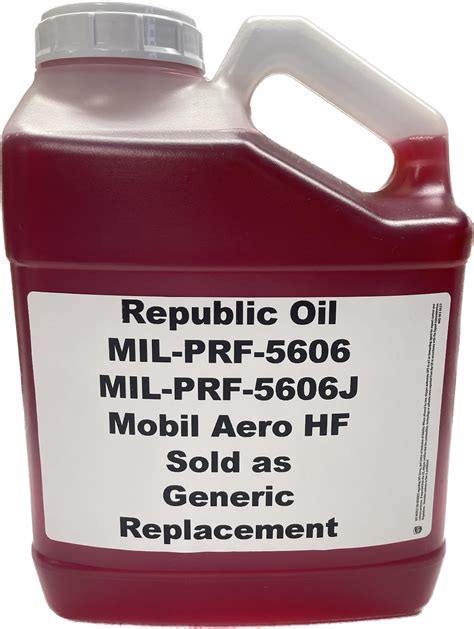
One of the most debated aspects of using MIL-H-5606 or MIL-PRF-5606H fluids in civilian applications is the cost factor. Since manufacturers must pay for government audits and certification to use the official MIL-SPEC labeling, these oils are significantly more expensive than comparable non-certified alternatives.
However, alternatives exist that meet all the technical criteria of MIL-H-5606 without undergoing the formal military certification process. These include:
- Kendall Hyken Glacial Blu
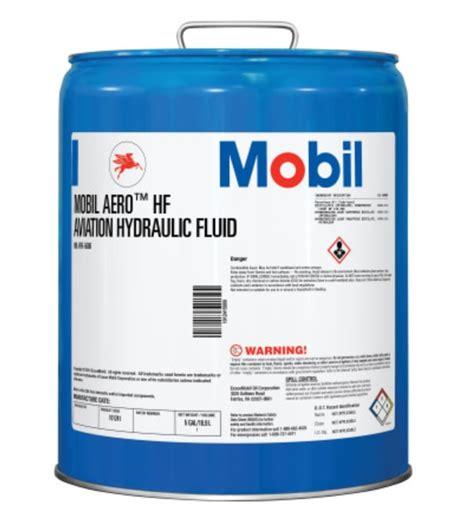
- Mobil Aero HFA
These substitutes are formulated to perform identically under test conditions, with the exception that they lack official MIL-SPEC approval. This makes them viable for land-based systems or non-combat applications where formal military certification is not mandatory.
Contamination Sensitivity and Cleanliness Standards
Another crucial component of MIL-H-5606 fluid usage is its sensitivity to contamination. The specification sets rigorous thresholds for acceptable particulate and moisture content, which is why military aircraft hydraulic systems are known to be “super clean.”
Contaminants in hydraulic systems can cause:
- Seal erosion
- Valve malfunction
- Pump cavitation
Hence, equipment designed for MIL-H-5606 must include advanced filtration systems and adhere to strict maintenance protocols to retain the fluid’s integrity over time. Routine spectrometric oil analysis programs (SOAP) are often used to monitor fluid health in mission-critical systems.
Compatibility Considerations
Not all hydraulic systems are compatible with MIL-H-5606. When switching fluids or upgrading components, it is imperative to consider seal material compatibility and fluid blending risks. MIL-H-5606, being petroleum-based, is generally not compatible with phosphate ester or synthetic glycol-based systems, which are often used in commercial aviation.
Failure to observe compatibility can result in:
- Seal swelling or shrinking
- Chemical degradation of system components
- System performance loss or catastrophic failure
Future Developments and Sustainable Alternatives
As environmental regulations and sustainability initiatives intensify, the hydraulic fluid industry is exploring biodegradable and synthetic alternatives to conventional MIL-H-5606 fluids. Research into non-toxic base stocks, longer fluid life cycles, and reduced flammability options may eventually lead to new standards.
Nonetheless, until a direct replacement is approved and operationally validated by defense agencies, MIL-H-5606 and its derivatives will continue to serve as the benchmark for high-performance, low-temperature hydraulic operations.
FAQ
What does MIL-H-5606 mean?
MIL-H-5606 is a military specification for hydraulic fluid developed by the U.S. Department of Defense. It defines performance requirements for hydraulic oils used primarily in aircraft systems that must function reliably under cold temperatures and high-altitude conditions.
Can I use MIL-H-5606 fluid in my civilian equipment?
Yes, particularly if the equipment operates in cold climates and requires high-purity, low-viscosity fluid. However, it’s often more economical to use non-certified alternatives like Mobil Aero HFA that meet the same performance benchmarks but without formal military approval.
What is the difference between MIL-H-5606 and MIL-PRF-5606H?
MIL-PRF-5606H is the updated performance specification, which includes additional criteria for oxidation resistance, cleanliness, and thermal stability. It represents the most stringent and modern version of the MIL-H-5606 standard.