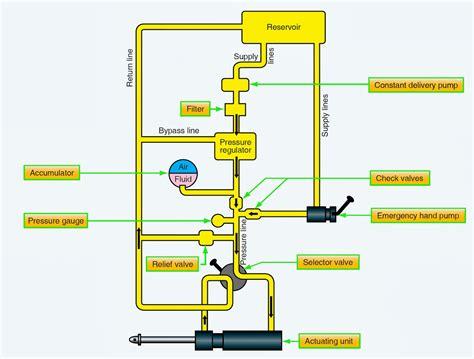
Hydraulic systems are the cornerstone of modern mechanical efficiency, transforming fluid dynamics into mechanical work across sectors ranging from construction and manufacturing to aerospace and automotive engineering. These systems rely on the precise coordination of multiple essential components to deliver power, control, and precision. In this article, we delve deep into the core components of a hydraulic system, highlighting their mechanical interdependencies, functional significance, and design characteristics that define their performance under high-pressure conditions.
Hydraulic Fluid: The Core Medium of Power Transfer
No hydraulic system can function without the hydraulic fluid, which is not merely a medium for power transmission but a critical entity influencing efficiency, lubrication, heat transfer, and component lifespan. The choice of fluid—commonly petroleum-based oil—is deliberate due to several performance advantages:
- High boiling point prevents vaporization under heat-intensive environments.
- Low freezing point ensures uninterrupted flow in cold climates.
- Anti-corrosive properties shield internal metallic components.
- Lubrication qualities reduce mechanical wear and friction.
This fluid flows through a tightly integrated system, maintaining consistent viscosity and pressure levels, which are crucial for effective energy transfer.
Hydraulic Reservoir: The System’s Supply Bank
The hydraulic reservoir, often underestimated, plays a multidimensional role. Its primary function is to store excess fluid, but its secondary responsibilities include:
- Allowing air separation from hydraulic fluid.
- Facilitating cooling as the fluid settles.
- Collecting contaminants, especially during re-circulation.
Well-designed reservoirs integrate baffle plates and fluid return paths to ensure even fluid distribution and prevent aeration, maintaining stable pressure and thermal equilibrium.
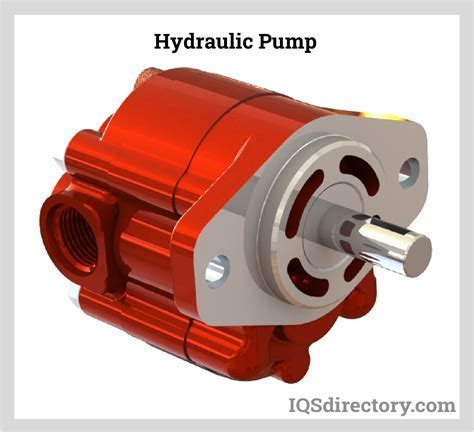
Hydraulic Pump: Converting Mechanical to Hydraulic Energy
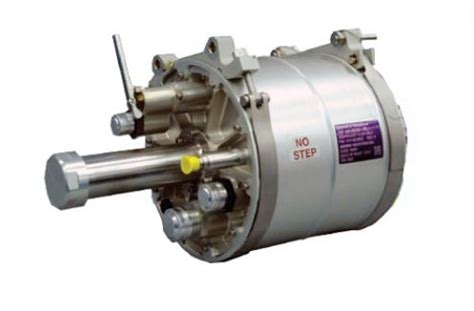
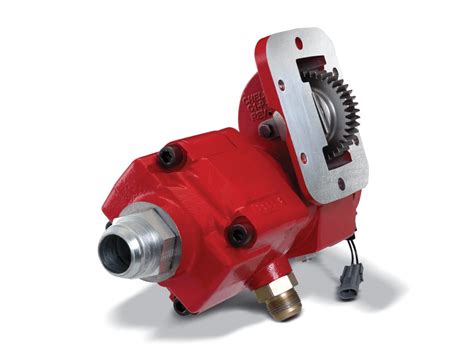
The hydraulic pump is the engine of energy conversion. It converts mechanical power into hydraulic pressure by forcing fluid into the system. The most common types include:
- Gear Pumps – Known for simplicity and durability.
- Piston Pumps – Capable of handling high-pressure applications.
- Vane Pumps – Efficient at lower pressures with quieter operation.
Hydraulic pumps must exhibit tight tolerances, minimal leakage, and high volumetric efficiency to ensure system reliability. Their design directly influences system responsiveness and fluid velocity.
Hydraulic Hoses: Fluid Pathways Under Pressure
Hydraulic hoses form the essential conduits through which the pressurized fluid travels. Constructed from multi-layered reinforced synthetic rubber or thermoplastic, they are engineered to resist:
- Extreme temperatures
- High fluid velocity
- Chemical degradation
- Abrasion and mechanical fatigue
Each hose has a minimum bend radius, which must be respected to avoid compromising the reinforcement layers or internal tube. A bent hose exceeding its limit becomes prone to internal blistering, pressure rupture, and eventual failure.
Proper hose routing, clamping, and pressure rating adherence are crucial to system longevity.
Valves: Precision Control Mechanisms
Valves are the brain of a hydraulic system, directing flow, controlling pressure, and managing volume. We can classify them into three distinct functional categories:
1. Pressure Control Valves
These utilize pressure transmitters (PTs) to monitor internal system pressure and activate based on preset thresholds. They protect against pressure overloads and system damage.
2. Flow Control Valves
Flow transmitters (FTs) monitor liquid velocity, triggering the valve to adjust or throttle flow. These valves ensure optimized fluid delivery and consistent actuator performance.
3. Directional Control Valves
Directional control valves are manually or electronically controlled valves that dictate fluid direction, enabling control over actuator movement patterns. Without these, the fluid would indiscriminately take the path of least resistance, undermining precise operation.
Actuators: Converting Fluid Power Back Into Motion
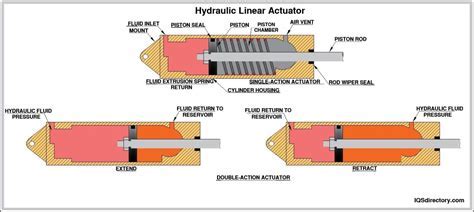
Hydraulic actuators, also known as cylinders, are the system’s execution arms. They take the hydraulic pressure and translate it into mechanical work. Their structure determines the type of motion achieved:
- Linear Actuators – Deliver straight-line motion (e.g., hydraulic lifts, dump truck beds).
- Rotary Actuators – Provide full 360° rotation, ideal for continuous rotation machinery.
- Semi-Rotary Actuators – Move in arcs, ideal for controlled oscillation, such as valve operations.
Actuators are engineered for load-bearing capacity, stroke length, speed control, and fluid compatibility. Their responsiveness depends on seal integrity, piston design, and the precision of the hydraulic circuit.
Hydraulic Filters: Contamination Control Units
Contaminants like metallic shavings, sludge, and chemical residues can severely degrade a hydraulic system. Filters are installed in return lines, pressure lines, or off-line filtration circuits to mitigate this risk. Their objectives include:
- Preventing valve sticking or abrasion.
- Extending component life cycles.
- Maintaining fluid cleanliness standards (ISO 4406).
Filters must be chosen based on micron rating, flow capacity, and pressure drop limitations. Regular inspection and replacement are essential for maintaining system health.
Hydraulic Power Source: The Drive Behind the Pressure
The hydraulic power source supplies the energy that moves the fluid. Most commonly, this is achieved via:
- Electric Motors
- Internal Combustion Engines
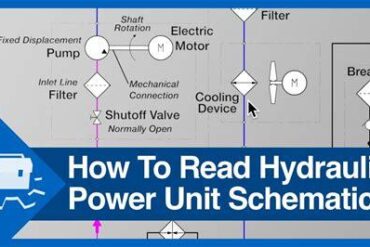
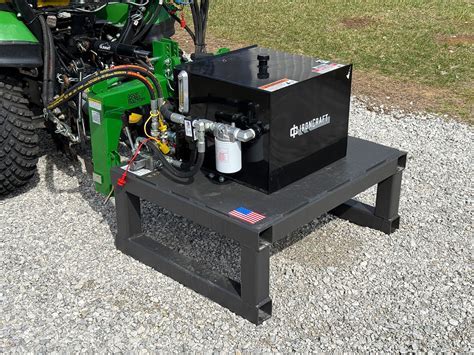
For compact, portable systems, hydraulic power units (HPUs) serve as an all-in-one solution, integrating:
- Reservoir tank
- Electric motor or engine
- Pump
This design simplifies installation and maintenance, often pre-fitted with pressure gauges, relief valves, and cooling components. HPUs are modular, making them ideal for construction equipment, marine lifts, and emergency rescue tools.
Component Interdependence and Fluid Dynamics
Each component in a hydraulic system operates under a shared dependency model. Pumps cannot perform without a consistent reservoir supply; actuators are rendered motionless without accurate valve control; hoses are ineffective without suitable fluid viscosity. This interconnected structure is what allows hydraulic systems to perform delicate, precise, and powerful tasks simultaneously.
For example, in an excavator arm, the hydraulic fluid is pressurized by the pump and directed via control valves to the actuator, lifting the heavy arm. The hose flexibility allows the fluid to move across the arm’s length, while the filters ensure the fluid remains uncontaminated even during rugged operation.
Conclusion: Engineering Excellence Through Fluid Power
Modern hydraulic systems exemplify engineering precision. Every component—from the smallest seal inside an actuator to the reservoir’s baffle plate—plays a vital role in ensuring system stability, safety, and efficiency. Understanding each part’s function not only improves system design but enhances troubleshooting, maintenance, and long-term operational success.
Hydraulic power remains one of the most effective methods for achieving high-force applications in compact spaces, making mastery over its components an asset in any industrial or mechanical engineering discipline.
Frequently Asked Questions
What is the most critical component in a hydraulic system?
While all components are interdependent, the hydraulic pump is often regarded as the core. Without it, mechanical energy cannot be converted into hydraulic power, rendering the system inactive.
Why is oil preferred over water in hydraulic systems?
Oil has a higher boiling point, lower freezing point, and corrosion-resistant properties. It also lubricates internal components, reducing wear and increasing system longevity.
How do I maintain the integrity of hydraulic hoses?
To preserve hose integrity, follow manufacturer bend radius guidelines, avoid abrasive contact, and conduct routine pressure checks. Replacing worn or aged hoses is vital to prevent rupture under pressure.