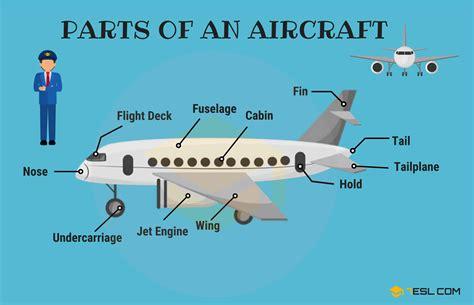
The cockpit is arguably the most important area of an aircraft, often regarded as the heart of the plane. It serves as the central hub from which pilots control every aspect of the aircraft, from takeoff to landing. Today, the cockpit has evolved significantly, transitioning from simple analog instruments to sophisticated digital interfaces. Understanding the main components of an aircraft’s cockpit is essential for anyone interested in aviation, whether as a pilot, enthusiast, or engineer. In this article, we will explore the key components of a cockpit, how they function, and the vital role they play in modern flight operations.
The cockpit is often referred to as the flight deck or crew station, terms that reflect the technological advances that have shaped its design over the years. However, the term ‘cockpit’ is still widely used, particularly in smaller aircraft and general aviation. Regardless of the terminology, all aircraft cockpits share a common goal: to provide pilots with the tools and information necessary to operate the aircraft safely and efficiently.
The Evolution of the Cockpit Design: From Analog to Digital
The design and functionality of the cockpit have undergone tremendous changes since the early days of aviation. Early cockpits were simple, with minimal instrumentation, often relying on mechanical gauges and manual control systems. Over time, as aircraft became more complex and air traffic increased, the cockpit needed to evolve to meet the demands of modern aviation.
Traditional Cockpits
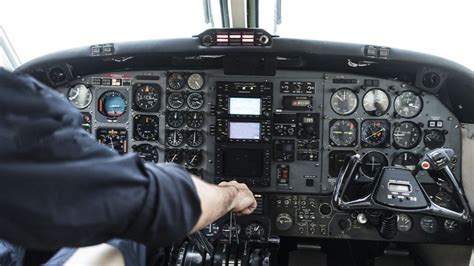
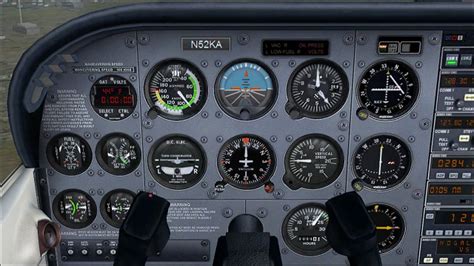
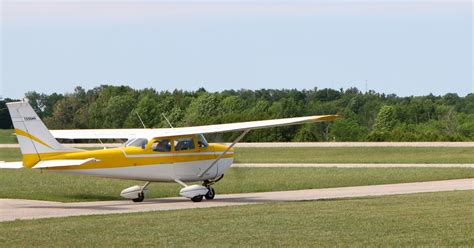
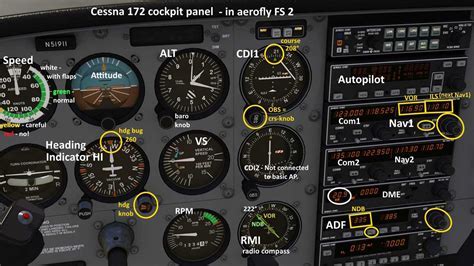
In traditional cockpits, such as those found in older aircraft like the Cessna 172, pilots relied on a variety of analog gauges to provide flight data. These gauges included the airspeed indicator, altimeter, fuel gauges, and engine performance indicators. Pilots would monitor these instruments constantly, adjusting the aircraft’s controls based on the information provided. While effective, these systems were relatively basic, requiring pilots to maintain constant attention on the various instruments to ensure safe flight.
Glass Cockpits
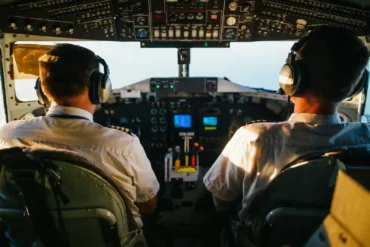
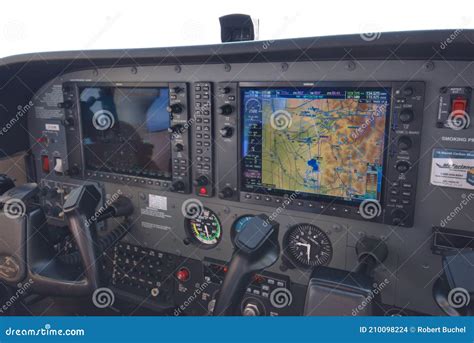
In contrast, modern aircraft typically feature a glass cockpit. This term refers to the shift from traditional analog instruments to digital flight displays (DFDs). These displays integrate multiple instruments into one or two large screens, providing pilots with a more streamlined, user-friendly interface. In a glass cockpit, Primary Flight Displays (PFDs) and Navigation Displays (NDs) allow pilots to view critical flight data such as speed, altitude, and heading on one screen, making it easier to monitor and manage flight operations.
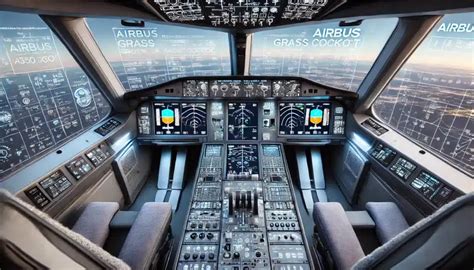
The transition to digital cockpits has significantly reduced the pilot’s workload, enabling more efficient operations. This is particularly beneficial in commercial aviation, where safety and efficiency are paramount.
Key Components of the Aircraft Cockpit
At the core of every cockpit are the flight controls, instrument panels, and navigation systems. These components are designed to ensure that pilots have full control of the aircraft at all times, whether they are in the sky or preparing for takeoff or landing. Each part of the cockpit plays a crucial role in maintaining aircraft stability, managing flight paths, and ensuring overall flight safety.
Flight Controls: Yokes, Pedals, and More
The flight controls are among the most critical components of the cockpit. These controls enable pilots to adjust the aircraft’s movement in the air. There are three main types of flight controls: roll, pitch, and yaw.
- Yokes (or side-sticks in some aircraft) control roll and pitch. The yoke allows the pilot to maneuver the aircraft’s ailerons (for rolling left or right) and elevators (for adjusting the nose up or down). These controls are fundamental for maintaining level flight, performing turns, and changing the aircraft’s altitude.
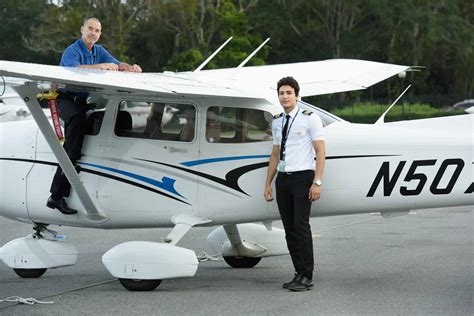
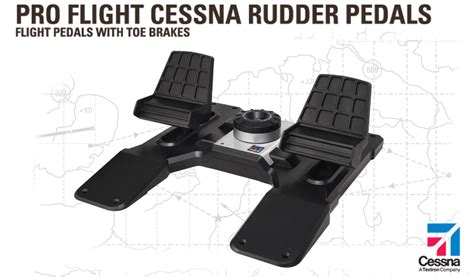
- Rudder Pedals manage yaw, which controls the aircraft’s direction along its vertical axis. The rudder is used to steer the plane left or right during flight. Pilots adjust the rudder pedals for making turns, especially when the plane is not using a coordinated turn, where all three controls—aileron, elevator, and rudder—work together.
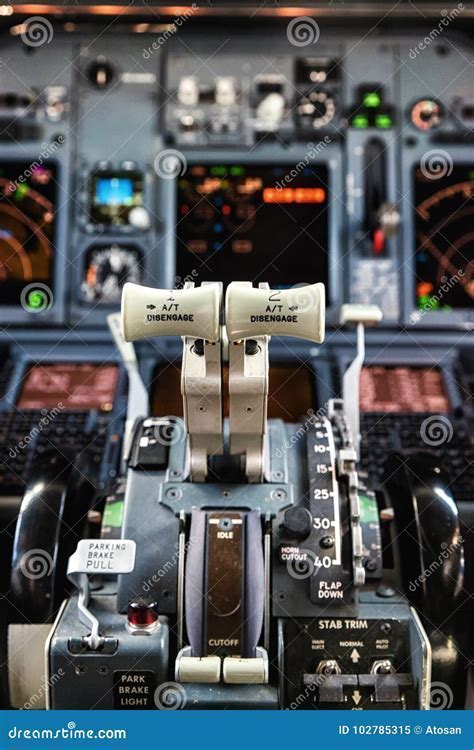
- Throttle: The throttle control adjusts the engine’s power output, directly affecting the aircraft’s speed. Pilots use the throttle to increase or decrease the engine’s thrust, thereby controlling the aircraft’s acceleration and deceleration.
These flight controls work in unison, and precise operation is vital for smooth, coordinated maneuvers. For example, when a plane makes a coordinated turn, all three control inputs must be adjusted to maintain proper balance and avoid stalling or losing altitude.
Instrument Panels: The Pilot’s Information Center
The instrument panel is perhaps the most information-dense area of the cockpit. This panel is packed with gauges, lights, and digital displays that provide pilots with essential data about the aircraft’s performance, status, and environment.
In traditional cockpits, the instrument panel housed a range of analog dials, each dedicated to a specific function, such as altimeters, airspeed indicators, and fuel gauges. Modern glass cockpits, however, integrate these functions into a series of electronic flight instruments.
Some of the most important components of the instrument panel include:
- Primary Flight Display (PFD): This digital display shows the essential flight information, such as airspeed, altitude, heading, and attitude (the plane’s orientation relative to the horizon).
- Navigation Display (ND): The ND provides real-time updates on the aircraft’s navigation route, showing waypoints, airways, and nearby navigation aids. This is especially important for long-haul flights and complex air traffic areas.
- Engine Performance Gauges: These monitors provide real-time data on the engine’s performance, including oil pressure, fuel flow, and engine temperature. They are critical for ensuring that the aircraft’s engine is operating within safe parameters.
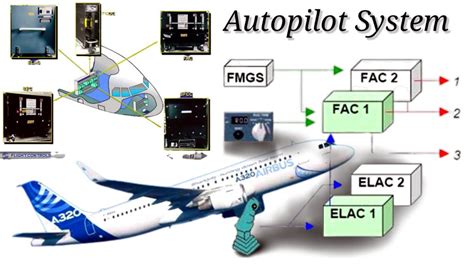
- Autopilot and Flight Management Systems (FMS): These systems allow the pilot to input a flight plan, which the autopilot will follow, adjusting speed, heading, and altitude automatically. This reduces pilot workload and enhances flight safety, especially during long-haul flights.
Navigation Systems: Ensuring the Right Path
Aircraft navigation systems are essential for ensuring pilots remain on course, even in adverse weather conditions or unfamiliar airspaces. The cockpit is equipped with various tools for both air-to-ground and air-to-air navigation.
- VOR (Very High Frequency Omnidirectional Range): The VOR is a radio navigation system that provides pilots with precise information about their bearing relative to a ground-based navigation station. It’s often used in combination with ILS (Instrument Landing System) for precision landings.
- GPS (Global Positioning System): In modern cockpits, GPS plays a vital role in providing accurate positioning information, allowing pilots to follow specific routes with ease. This system is integrated into the avionics suite and typically displayed on the navigation screen.
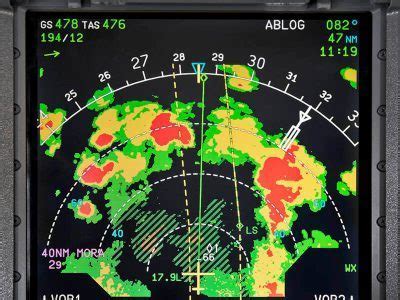
- Radar and Weather Systems: Radar displays in the cockpit show weather patterns, obstacles, and terrain, helping pilots navigate through storms or avoid dangerous weather conditions.
Special Components in Propeller-Driven Aircraft
While the main components of the cockpit in jet aircraft remain relatively consistent, propeller-driven aircraft include several unique features designed to manage the operation of the propeller.
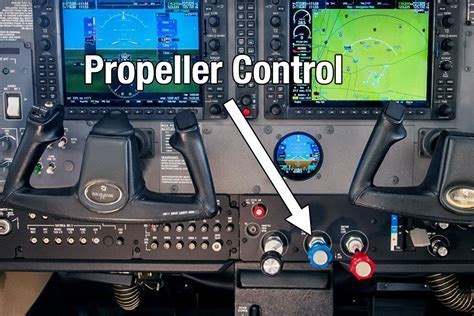
The propeller control lever adjusts the propeller speed, which directly affects the aircraft’s thrust and fuel efficiency. Additionally, propeller-driven aircraft often have propeller RPM gauges, which allow the pilot to monitor and adjust the rotational speed of the propeller blades.
In these aircraft, flaps and ailerons are crucial for controlling the plane’s lift and roll. Flaps are used primarily during takeoff and landing to provide extra lift at low speeds, while ailerons are used for roll control, especially during turns.
Empennage: The Tail’s Crucial Role
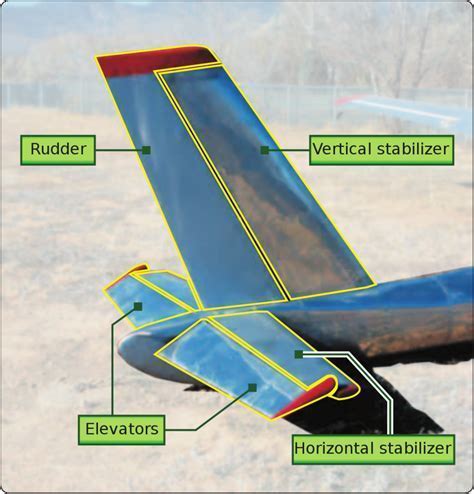
The empennage, also known as the tail section, plays a significant role in maintaining the aircraft’s stability and control. This section houses several important components:
- Vertical Stabilizer and Rudder: The vertical stabilizer, paired with the rudder, ensures that the aircraft maintains a steady heading. The rudder allows the pilot to control the aircraft’s yaw movement, aiding in turns and straight flight.
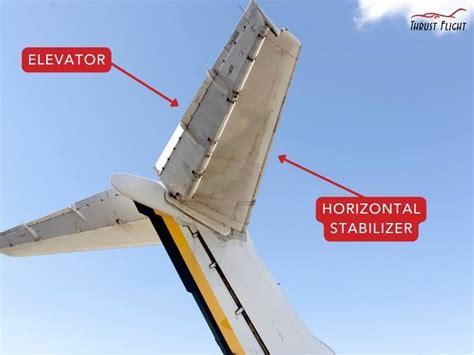
- Horizontal Stabilizer and Elevator: The horizontal stabilizer provides stability in pitch, while the elevator, located at the trailing edge of the horizontal stabilizer, controls the aircraft’s pitch attitude. This helps maintain altitude and ensures the plane remains level.
Together, these control surfaces ensure that the aircraft remains balanced and easy to maneuver, both during normal flight and in challenging conditions.
Conclusion
In conclusion, the main components of an aircraft’s cockpit are a testament to the advancements in aviation technology. From traditional analog gauges to sophisticated glass cockpits, each component plays a crucial role in ensuring the aircraft’s safe operation. By understanding how these components work together, we gain a deeper appreciation for the complexity and precision required to fly modern aircraft. Whether you are training to be a pilot, an aviation enthusiast, or simply curious about aviation, understanding the cockpit’s components is essential to grasping the intricacies of flight.