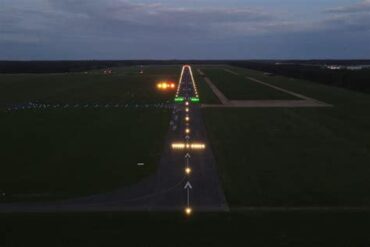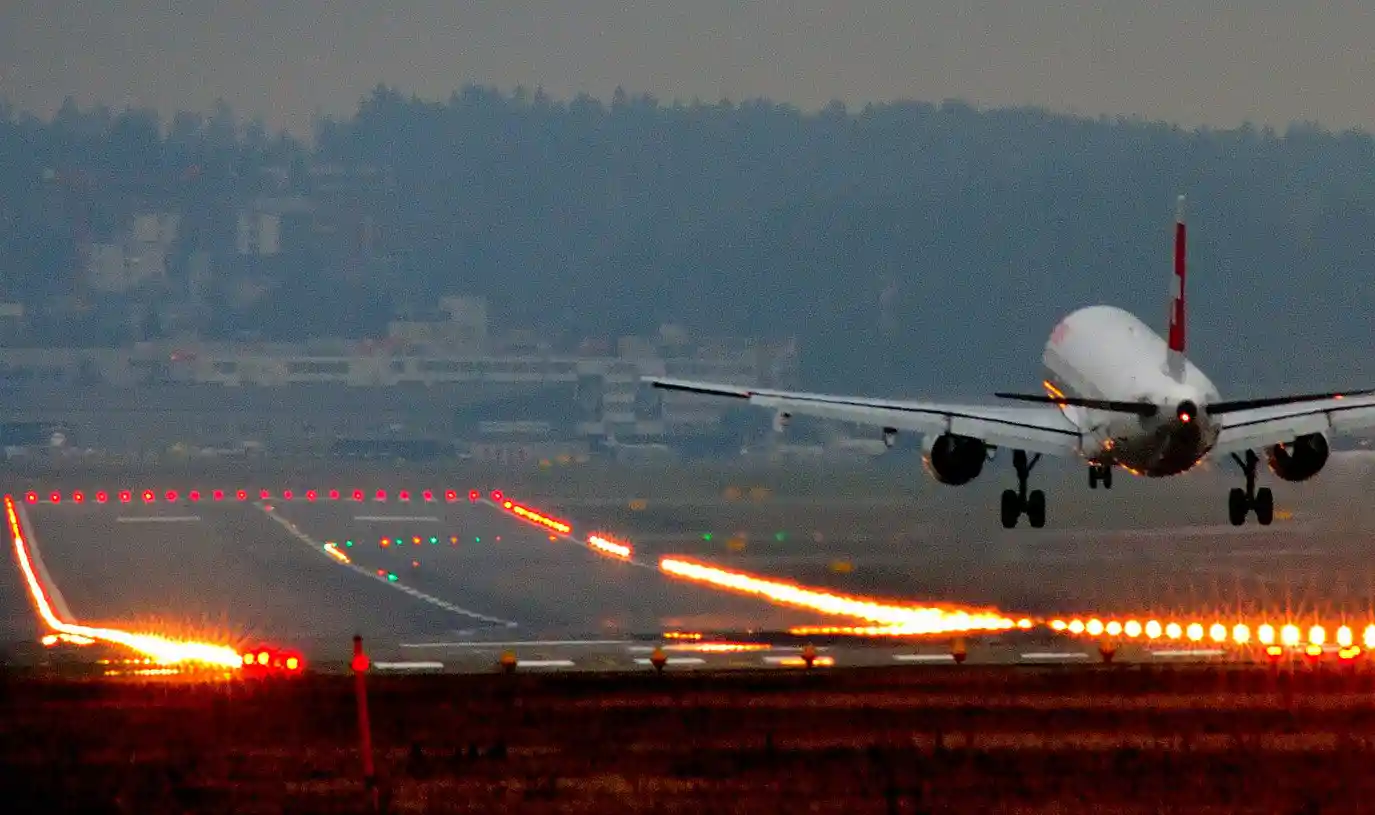
Runway edge lights are a crucial component of an airport’s lighting system, providing pilots with critical visual cues for navigating the runway during night-time operations, poor visibility conditions, or in adverse weather. These lighting systems ensure the safety and efficiency of air travel by marking the boundaries of the runway and offering essential guidance for both takeoffs and landings. In this article, we will delve deep into the design, functionality, color coding, and placement of runway edge lights, as well as their role in maintaining safe operations in aviation.
Understanding Runway Edge Lighting: Key Components and Functions
Runway edge lights are typically placed along the edges of runways, marking their outer limits to assist pilots in identifying the runway’s borders from a distance. These lights serve several essential purposes: they enhance visibility, improve safety, and ensure proper alignment, particularly under low-visibility conditions such as during the night or in adverse weather like fog or rain. By providing pilots with an illuminated path, these lights are indispensable to the smooth operation of airports, especially in complex environments where precise navigation is crucial.
Types of Runway Edge Lights: High Intensity and Medium Intensity
Runway edge lights come in two primary categories: High Intensity Runway Lights (HIRLs) and Medium Intensity Runway Lights (MIRLs). Both types are designed to meet the needs of different airports, depending on factors such as the expected traffic volume, the size of the airport, and the typical visibility conditions in the area.
- HIRLs are used for larger, busier airports and are capable of providing higher intensity and visibility, typically at airports that handle heavy traffic or operate in areas with lower visibility.
- MIRLs are typically used in smaller airports and on less trafficked runways where lower light intensity is sufficient to maintain safety. The MIRLs offer a cost-effective alternative, providing the necessary visibility for general aviation operations while balancing energy efficiency and cost.
Runway Edge Light Spacing: Ensuring Proper Visibility and Safe Operations
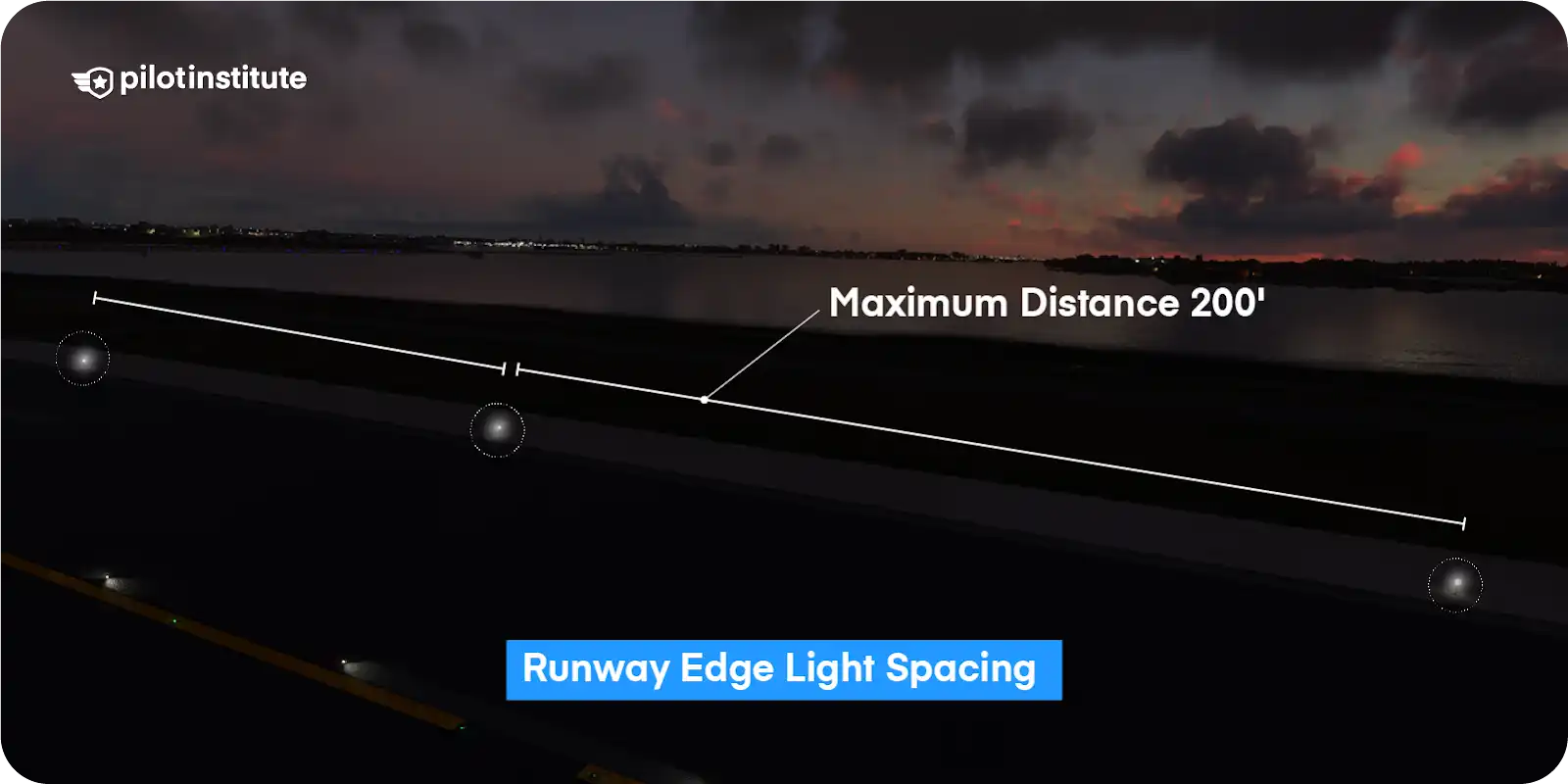
The spacing of runway edge lights is another critical factor in their effectiveness. According to the FAA’s Airfield Standards, the recommended spacing between edge lights is approximately 200 feet for both HIRLs and MIRLs. This spacing ensures that the lights are visible from a sufficient distance and helps pilots navigate the runway with confidence. For runways intersecting with taxiways or other runways, the maximum gap between lights may increase to 400 feet, depending on operational needs.
Moreover, the runway edge lights must be positioned between 2 to 10 feet from the edge of the paved runway. This offset helps maintain clear visibility without obstructing the path of aircraft during operations, ensuring that lights are visible but do not interfere with the aircraft’s trajectory.
Colors of Runway Edge Lights: A Visual Guide for Pilots
One of the most important features of runway edge lights is their color coding, which serves as a guide for pilots in identifying different stages of the runway and providing additional safety during operations. The primary color of runway edge lights is white, but there are specific conditions where the color changes to help guide pilots more effectively.
- For instrument runways, edge lights are typically yellow during the last 2,000 feet (or half the runway length, whichever is less). This yellow lighting marks the caution zone, alerting pilots to the end of the runway and signaling that the aircraft is approaching the departure end. These lights serve to enhance safety, especially during night-time approaches.
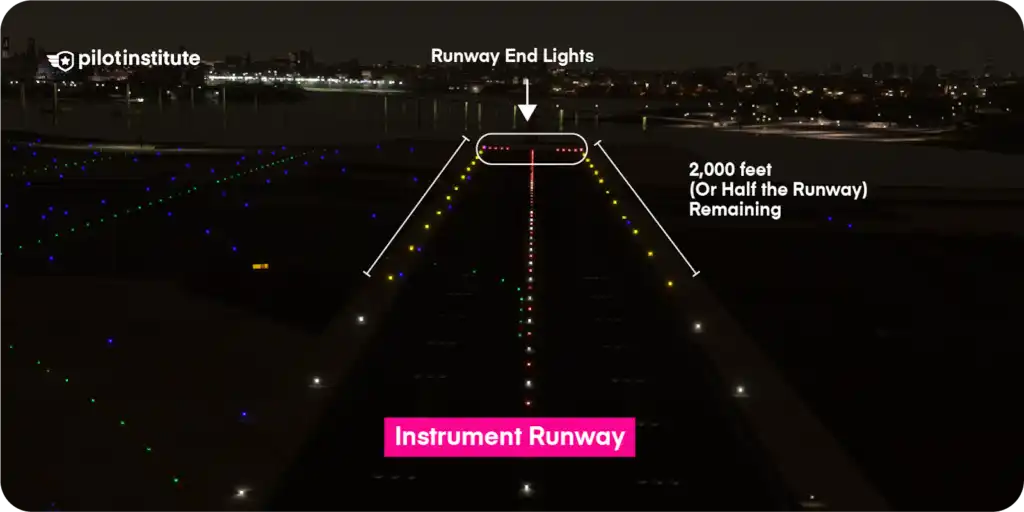
Image Credit: pilotinstitute.com - On runways that are not designated for instrument use, the edge lights remain white all the way to the runway’s end.
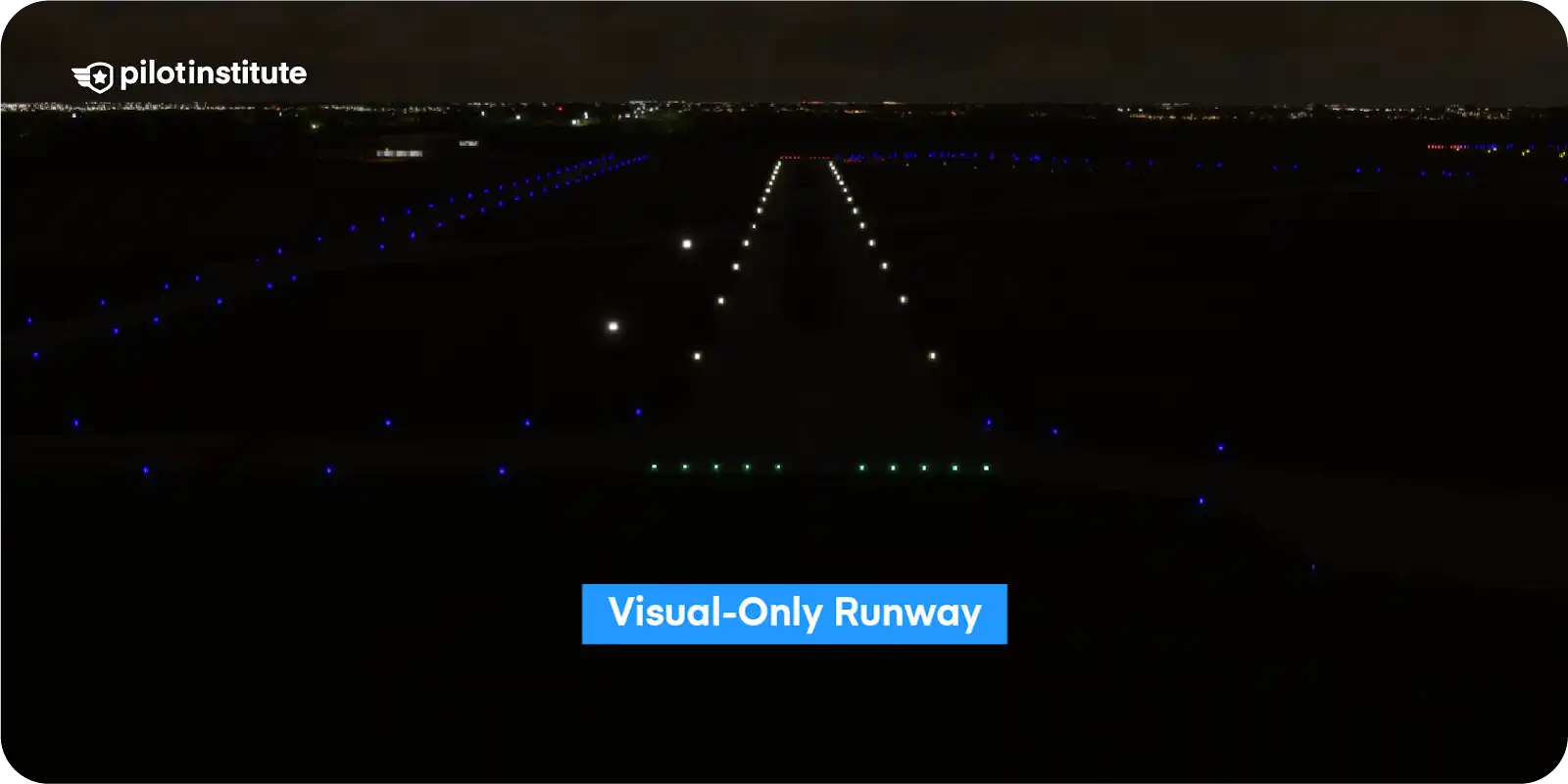
Image Credit: pilotinstitute.com
In addition to the runway edge lights, runway centerline lights and touchdown zone lights play an integral role in guiding aircraft during takeoff and landing. These lights are essential for CAT II and CAT III runways, where low-visibility conditions are more common.
The Role of Runway Edge Lights in Approach and Landing
Runway edge lights not only assist during takeoff but also provide crucial visual guidance during landings. Pilots flying in poor visibility conditions can rely on these lights to help them remain aligned with the runway centerline and avoid veering off course.
Approach lights, which are used in conjunction with runway edge lights, help pilots line up with the runway during the final approach phase. These lights, visible from long distances, can signal to pilots whether they are on the correct approach path. The Visual Approach Slope Indicator (VASI) and Precision Approach Path Indicator (PAPI) systems further refine the approach by providing slope guidance. If pilots see the correct sequence of red and white lights, they know they are on the correct glide path.
Important Specifications of Runway Edge Lights
When considering the installation and maintenance of runway edge lighting systems, certain technical specifications are vital:
- The light intensity should be sufficient to provide visibility under the worst-case conditions (night-time or poor weather). Adjustments to light intensity may be required to meet specific visibility requirements.
- For runways with intersecting taxiways or other runways, the edge lights should be spaced at a maximum of 400 feet apart to ensure continuous visibility.
- The color coding of the lights must follow specific guidelines to assist pilots in identifying key zones on the runway, particularly the transition from the runway edge to the cautionary yellow zone near the departure end.
Challenges and Considerations in Installing Runway Edge Lights
The installation of runway edge lights is not a simple task. Several factors need to be taken into account to ensure that the lights function properly and provide the necessary safety guidance for aircraft. Factors such as airport location, weather conditions, and traffic volume all influence the type of runway edge lights that should be used. For example, airports located in areas with frequent fog or heavy rain may require HIRLs for maximum visibility, while smaller airports may use MIRLs to meet basic needs.
Maintenance of these lighting systems is also critical. Over time, lights may become damaged or lose their effectiveness, requiring regular checks and replacements. Given that runway edge lights are often exposed to harsh environmental conditions, such as extreme temperatures, wind, and rain, they must be built to withstand these challenges without compromising their performance.
Conclusion: The Importance of Runway Edge Lights for Aviation Safety
In summary, runway edge lights are vital for safe and efficient airport operations. Their purpose goes beyond mere visibility; they provide pilots with essential information about the runway’s boundaries, guide them during takeoff and landing, and help prevent accidents. Whether it’s the intense white illumination marking the runway’s edges or the yellow lighting signaling the caution zone, runway edge lights are an indispensable tool for ensuring safety in the sky.
By understanding the technical specifications, placement, and purpose of these lights, both pilots and aviation authorities can better appreciate their importance in airfield safety. These systems continue to evolve with technological advancements, but their core function—guiding aircraft safely from takeoff to landing—remains the same.