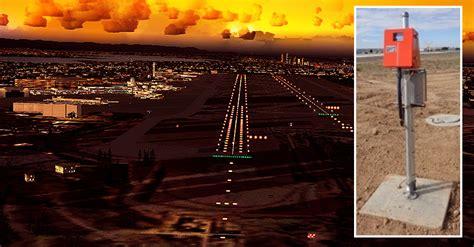
Runway End Identifier Lights (REIL) play a critical role in modern aviation safety, particularly in conditions where runway identification becomes challenging due to surrounding lighting, environmental visibility, or geographic terrain. As a key component of Visual Guidance Lighting Systems (VGLS), REIL installations ensure that approaching aircraft can rapidly and accurately pinpoint the runway threshold, thereby reducing the margin for error during landing operations.
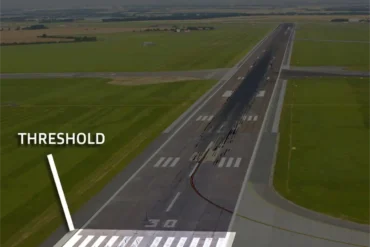
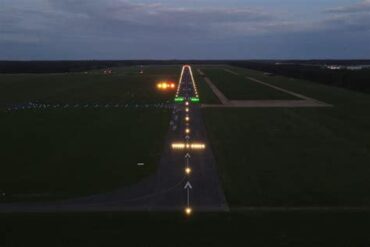
The system comprises two synchronized, high-intensity flashing lights, each positioned at opposite ends of the runway threshold. These lights are unidirectional and aim into the approach path at an angle ranging between 10 to 15 degrees. Their purpose is singular yet essential: to mark the beginning of the runway clearly, especially in cluttered visual environments.
How REIL Enhances Situational Awareness
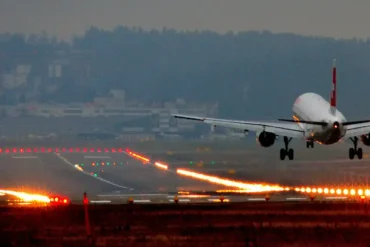
Aircraft on final approach must often distinguish the correct runway from a myriad of light sources including taxiways, highways, urban structures, and even other runways. This challenge is exacerbated at night or during inclement weather, where terrain features are obscured and lighting confusion abounds. The REIL system mitigates this risk by producing rhythmic, high-contrast light flashes that stand apart from all surrounding illumination.
Each light in the REIL setup emits powerful white flashes that are not only unidirectional but also synchronized, ensuring the pilot receives a balanced, symmetrical visual cue. This is especially useful at non-towered airports, where pilots rely on precise ground lighting systems in lieu of real-time air traffic control. Even in highly illuminated airport environments, REIL serves as an unmistakable beacon that cuts through lighting clutter.
Technical Capabilities and Range
The REIL system is designed with versatility and adaptability in mind. It includes three selectable intensity levels that can be adjusted according to visibility conditions and time of day:
- Low intensity for optimal use during clear nights.
- Medium intensity for typical dusk or dawn conditions.
- High intensity for bright daylight or severe weather scenarios.
In terms of range, the REIL system is capable of being seen from approximately three miles during daylight hours, and up to twenty miles at night, depending on terrain and meteorological conditions. This substantial visual range ensures that pilots can begin visually confirming the runway orientation well before they reach the minimum descent altitude or decision height.
Modes of Operation and Control Systems
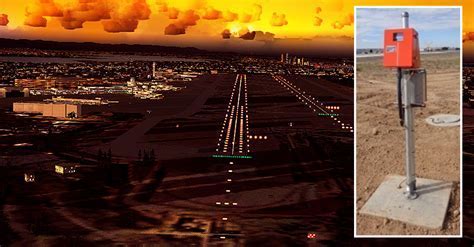
REIL units are designed for flexible control integration, accommodating a variety of operational contexts:
- Tower-controlled operation where the air traffic controller activates or adjusts the REIL according to landing schedules.
- Pilot-controlled lighting (PCL) that allows pilots to activate the REIL system using the aircraft’s radio microphone by keying specific frequencies.
- Manual activation via a local lighting control cabinet, typically used for maintenance or in contingency operations.
This multi-layered control structure enhances reliability and ensures that the system can function effectively in diverse environments—from international hubs to remote regional airfields.
Use Cases: Visibility Challenges and REIL Utility
The real strength of REIL is most visible in low-contrast visual environments where other navigational cues fall short. These scenarios include:
- Runways bordered by dense urban lighting, where multiple illumination sources may mimic approach lighting.
- Snow-covered or desert airstrips, where surface contrast is minimal and blending with terrain can mislead even experienced pilots.
- Conditions of fog, haze, or heavy rain, where ambient light diffusion makes standard markings less effective.
REIL becomes the first visual confirmation pilots often receive during approach, giving them a direct and unambiguous indication of the exact runway start point. This allows for earlier alignment and correction, significantly reducing the likelihood of lateral or angular deviation during final descent.
Regulatory Standards and Installation Practices
REIL systems must comply with FAA standards as outlined in Advisory Circulars and the FAA Engineering Briefs, which cover photometric intensity, flash rate, synchronization, and installation geometry. Placement of the REIL units must be within 10 meters of the runway threshold corners, precisely angled into the approach path to maintain optimum visibility without glare.
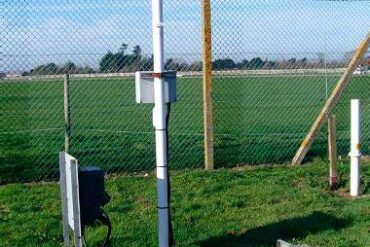
Each system is connected to dedicated power and signal relay circuits, often with backup power provisions to ensure continuity in the event of grid failure. Wiring, lamp housings, and flash mechanisms are hardened against extreme weather and runway contaminants to guarantee operational integrity over prolonged usage cycles.
Integration with Other Visual Systems
REIL is most effective when integrated into a larger visual guidance infrastructure, complementing systems such as:
- Precision Approach Path Indicators (PAPI)
- Runway Edge Lighting Systems
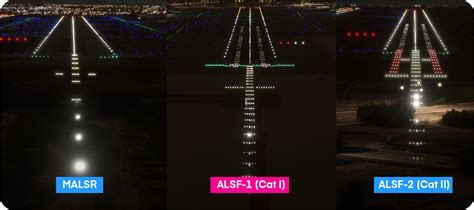
- Approach Lighting Systems (ALS)
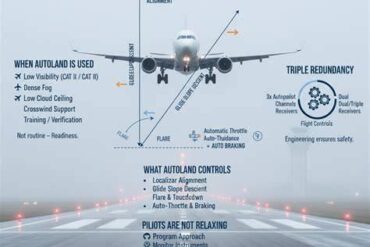
By working in concert, these systems create a comprehensive visual guidance envelope that supports safe and accurate landings across all approach categories, including CAT I, II, and III operations.
Advantages Over Alternative Systems
While REIL may seem simplistic compared to full-length approach lighting systems, its advantages are compelling:
- Cost-effective and requires less infrastructure than ALS.
- Easy to install and maintain, particularly useful at smaller airports.
- Highly visible in cluttered environments, even without additional lighting support.
- Proven effectiveness in reducing approach error rates.
For regional airports and military strips with limited budgets or space constraints, REIL becomes the lighting system of choice due to its high utility-to-cost ratio.
Future Innovations and Upgrades
As aviation moves toward greater automation and remote-control operations, REIL systems are being integrated into digital control panels that allow for remote diagnostics, programmable flash patterns, and automatic intensity adjustment based on ambient conditions. LED technology is also replacing older xenon or halogen lamp types, offering better energy efficiency, longer service life, and reduced maintenance downtime.
Ongoing FAA research is exploring the application of infrared-compatible REIL units to assist in low-visibility landings by aircraft equipped with enhanced vision systems (EVS), further bridging the gap between traditional lighting and next-generation avionics.

Conclusion: A Small System With Massive Impact
In aviation, where precision and clarity are paramount, the REIL system stands out as a deceptively simple yet immensely valuable safety asset. Whether guiding aircraft through fog-cloaked valleys or helping commercial jets distinguish a runway in the neon sprawl of an urban airport, REIL ensures that every descent begins with confidence.
Its combination of reliability, visibility, and cost-efficiency continues to earn it a permanent place in airport lighting strategy, particularly as aviation expands to include more unmanned operations, next-gen navigation systems, and climate-adapted infrastructure. For pilots and airport operators alike, REIL represents a technology that, though small in scale, casts a far-reaching light of safety and assurance.