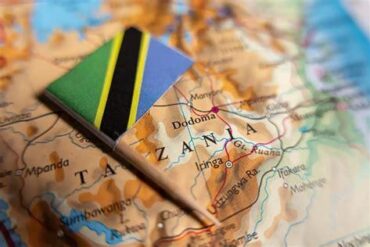
Tanzania and Kenya are embarking on a groundbreaking collaboration to enhance global tourism visibility through the livestream of the Great Wildebeest Migration, one of nature’s most awe-inspiring events. This initiative, set to launch in 2025, is poised to attract millions of international visitors, showcasing the incredible wildlife and breathtaking landscapes that both nations have to offer. As the migration season unfolds, this strategic tourism campaign aims to highlight Tanzania and Kenya as premier destinations, providing travelers with an unparalleled opportunity to witness this extraordinary spectacle.
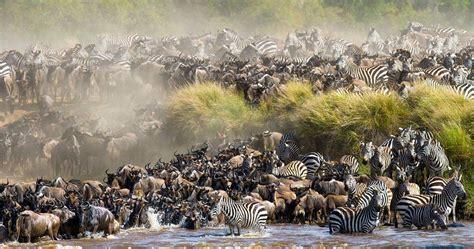
Kenya will take center stage during this global livestream event, hosted at the iconic Masai Mara National Reserve in southwest Kenya. The objective of this initiative is clear: to draw attention to the Great Wildebeest Migration, which occurs annually between July and October. During this period, millions of wildebeests, zebras, and other herbivores traverse from the Serengeti in Tanzania to the Masai Mara in search of fresh grazing lands and water. The dynamic movement of these animals, driven by seasonal rainfall patterns and food availability, captivates tourists and wildlife enthusiasts alike, making it a highlight of the region’s tourism calendar.
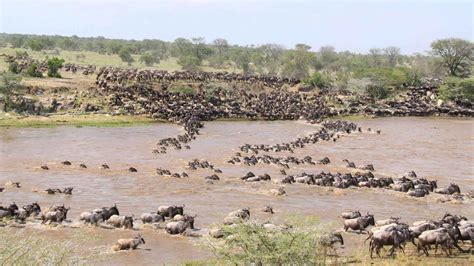
The migration is not merely a visual feast; it culminates in the dramatic Mara River crossing, where thousands of wildebeests face perilous challenges as they enter the water. This moment is fraught with danger as crocodiles and other predators lurk along the riverbanks, ready to strike. The sheer scale and intensity of this crossing offer a thrilling experience for visitors, whether they are watching from designated viewing platforms or from the safety of safari vehicles. The anticipation and excitement surrounding this event make it an unforgettable experience for those fortunate enough to witness it firsthand.
According to reports from Kenya’s Ministry of Tourism and Wildlife, the country experienced a significant uptick in international tourist arrivals in 2024, welcoming 2.4 million visitors, marking a 15% increase from the previous year. This surge in tourism reflects the growing global interest in Kenya’s natural wonders and its reputation as a premier destination for unique and authentic experiences. Inbound tourism earnings also saw a remarkable boost, rising to 452.20 billion shillings (approximately 3.5 billion U.S. dollars) in 2024, compared to 2.92 billion dollars in 2023. Such growth signals a promising trajectory for Kenya’s tourism sector, fueled by initiatives like the global livestream of the Great Wildebeest Migration.
By offering real-time access to this iconic wildlife event, Kenya aims to make its rich wildlife heritage more accessible to global audiences. This initiative not only enhances awareness of Kenya’s offerings but also generates additional interest in other aspects of its tourism sector, including its vibrant cities, cultural heritage, and pristine natural landscapes. Kenya’s strategic focus on diversifying its tourism offerings has played a pivotal role in attracting an increasing number of visitors.
Beyond the allure of safaris, Kenya boasts some of East Africa’s most stunning beach destinations, such as Diani, Watamu, and Lamu. These locales provide tourists with opportunities to indulge in breathtaking beaches, engage in water sports, and immerse themselves in rich cultural experiences. Nairobi, the bustling capital, serves as a hub for conferences, business tourism, and entertainment, further enhancing its appeal as a destination for global travelers.
In addition to wildlife and beach tourism, Kenya has made significant strides in establishing itself as a sports tourism destination. The country is celebrated for its world-class athletes, particularly in long-distance running, and has successfully hosted major sporting events, including the World Cross Country Championships and the Safari Sevens rugby tournament. This dedication to sports tourism complements Kenya’s broader tourism agenda, which focuses on developing sports facilities and promoting its venues for international competitions.
The livestream of the Great Wildebeest Migration is just one facet of Kenya’s comprehensive tourism strategy. This approach capitalizes on the increasing global demand for travel experiences that are both authentic and immersive. With sustainability at the core of its tourism philosophy, Kenya prioritizes eco-tourism initiatives designed to preserve its natural environment while providing unique experiences for visitors. The commitment to responsible tourism is evident in efforts to engage local communities in tourism ventures, ensuring that the benefits of tourism are widely shared.
As the global livestream event approaches, Kenya is well-positioned to leverage its natural beauty, cultural heritage, and burgeoning tourism infrastructure to establish itself as a top-tier destination. This event serves not only as a celebration of the country’s rich wildlife and landscapes but also as a catalyst for future growth in its tourism industry. With strategic goals firmly in place, Kenya aims to attract 5 million tourists by 2027, solidifying its role as a key player in the global tourism market for years to come.
Tanzania and Kenya’s collaborative efforts underscore the significance of the Great Wildebeest Migration as a powerful tool for enhancing their tourism visibility. By harnessing the potential of this natural phenomenon through innovative initiatives like the global livestream, both countries are poised to elevate their status as leading wildlife destinations, ultimately enriching the experiences of travelers worldwide.