Tanzania’s proposed introduction of a mandatory Forty-Four Dollar travel insurance fee for all non-East African tourists is creating significant ripples across the region. With both Uganda and Kenya closely monitoring this potential policy, the implications for their tourism industries are critical. This new initiative, designed to provide coverage for medical emergencies, lost baggage, and accidents, raises questions about increased travel costs and the shifting dynamics of tourist flows within East Africa.
The Tanzanian government aims to implement this policy to enhance safety for international visitors while simultaneously boosting its tourism revenue. The insurance coverage will be valid for up to 62 days, ensuring that tourists are financially safeguarded against potential mishaps during their travels. However, the non-refundable nature of the fee has raised concerns regarding its impact on tourism, especially for budget-conscious travelers.
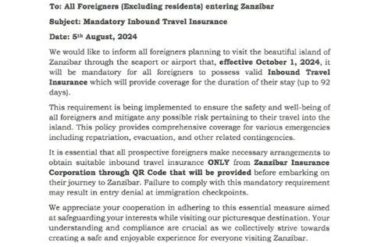
As Tanzania moves forward with this initiative, it mirrors a similar system that has been operational in Zanzibar since October 2024. This earlier initiative has garnered attention for its simplicity and ease of integration into the travel experience. The Tanzanian mainland is expected to adopt this model, although many details remain unclear. Questions about whether travelers can purchase insurance online prior to arrival or if the National Insurance Company will manage the process exclusively have left many tourism professionals anxious about potential confusion and delays at entry points.

A major concern is the potential for complications at airports and border crossings. If tourists arrive without knowledge of the new requirement or if the purchasing process is not streamlined, it could lead to long queues and disgruntled visitors. Such scenarios could tarnish Tanzania’s image as a welcoming and easily accessible destination. Critics emphasize that effective communication and an efficient purchasing process are essential to avoid operational bottlenecks and minimize negative perceptions of this new policy.
Furthermore, the functionality of the proposed system remains shrouded in uncertainty. Without a robust online purchasing option or an easily navigable process at airports, the implementation could face significant hurdles. Given that the travel industry thrives on seamless operations, these uncertainties may lead to operational delays at entry points, further complicating the travel experience for visitors who may arrive unaware of the new requirements.
The mandatory travel insurance policy is part of Tanzania’s broader strategy to enhance revenue while ensuring the safety of its international visitors. The government seeks to provide peace of mind by offering financial protection for tourists against potential medical emergencies, lost baggage, and accidents, allowing them to enjoy the country’s renowned natural wonders—from vast national parks and wildlife reserves to pristine beaches and rich cultural heritage.
However, while the policy aims to boost Tanzania’s revenue, it must be carefully balanced with the nation’s competitiveness in the global tourism market. Neighboring countries like Kenya and Uganda continue to vie for international tourists, prompting Tanzania to ensure that this new insurance policy does not create unnecessary barriers for potential visitors. Although the initiative is well-intentioned, it could inadvertently increase travel costs for tourists from non-EAC countries, possibly leading some to reconsider their travel plans.
Tourism professionals are particularly concerned about how this policy will affect Tanzania’s standing within the competitive East African tourism landscape. While the government hopes that the initiative will enhance tourist safety, it is crucial to maintain the country’s appeal as a viable option in the region. To achieve this, the tourism sector must prioritize delivering exceptional experiences, ensuring that policies like this do not deter potential visitors.
As of June 25, 2025, the mandatory travel insurance policy is still pending formal approval. This means that travelers planning to visit Tanzania in the coming years should remain vigilant for updates from the Tanzanian government regarding the official rollout of the new policy. Tourists are advised to consult with local tour operators, who will likely possess the most current information on the policy’s implementation and any preparations necessary prior to travel.
Once confirmed, the $44 fee will apply to all non-EAC foreign visitors, adding to travel expenses for many tourists. Nevertheless, this fee provides standard coverage for up to 62 days, offering critical medical protection and coverage for lost baggage or accidents during the visitor’s stay. While this additional cost may raise concerns among travelers, it also presents an opportunity for peace of mind during their adventures in Tanzania.
Both Uganda and Kenya are carefully observing Tanzania’s proposal for a Forty-Four Dollar mandatory travel insurance fee for non-East African tourists. The tourism sector remains a cornerstone of Tanzania’s economy, and the success of this policy will largely depend on its clarity and effective communication. For the mandatory insurance policy to positively impact tourism, the government must ensure a user-friendly system, with clear instructions provided to all travelers. Moreover, Tanzania’s tourism industry must work diligently to minimize disruptions, ensuring that this policy does not hinder the flow of international visitors drawn to the country’s rich natural and cultural assets. As the industry awaits clarity on this controversial measure, the potential effects on the travel experience in Tanzania remain a topic of significant interest.