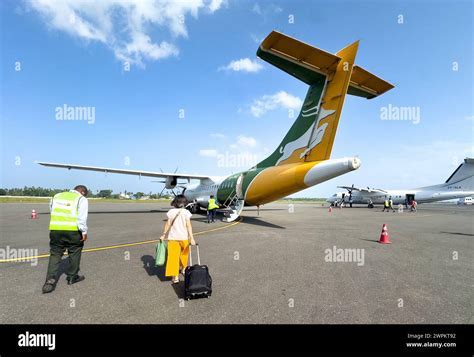
Precision Air, Tanzania’s flagship private airline, continues to serve key East African routes through a modest fleet and a strategic hub at Julius Nyerere International Airport (DAR) in Dar es Salaam. Operating across nine destinations, the carrier offers crucial regional connectivity between cities like Arusha, Zanzibar, Mwanza, and Nairobi. While its role in domestic air travel is undeniably important, customer sentiment in 2025 paints a polarizing picture—raising concerns about service quality, communication, and reliability.

Fleet and Routes: Regional Breadth, Domestic Depth
As of 2025, Precision Air operates a small yet specialized fleet:
- 2 ATR 42-500
- 2 ATR 42-600
- 5 ATR 72-500
All aircraft are arranged in a single Economy Class configuration, optimized for short-haul travel. Despite this lean setup, the airline maintains service to eight Tanzanian destinations, including:
- Dar es Salaam
- Mwanza
- Arusha
- Zanzibar
- Kilimanjaro
- Mbeya
- Mtwara
- Bukoba
It also services Nairobi’s Jomo Kenyatta International Airport (NBO) and benefits from codeshare agreements with Kenya Airways (KQ), LAM Mozambique Airlines (TM), and RwandAir (WB).
Flight Experience in 2025: Sparse Amenities and Inconsistent Comfort
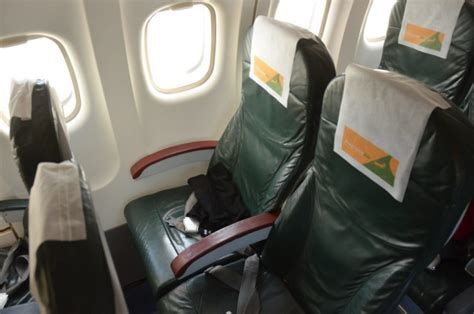
Precision Air’s onboard experience remains extremely basic, in line with regional aviation expectations. There are no in-flight entertainment options, and passengers often highlight the absence of WiFi, screens, or even magazines. Seat configuration across the ATR fleet is tight, which significantly impacts legroom and seat comfort.
Many reviews in 2025 criticize the deteriorating cabin conditions. Examples include broken tray tables, malfunctioning air vents, and visible signs of aging interiors. Reports of hot and stuffy cabins on multiple flights suggest poor maintenance of climate control systems.
Customer Service: Communication Gaps and System Failures
Of the 800+ reviews posted on Tripadvisor, over 350 are labeled “terrible”, and a significant portion recount incidents involving lack of communication, misinformation, or booking errors. For example, a March 2025 traveler reported that despite showing proof of payment and a confirmation email, Precision Air’s check-in system could not locate the booking. The passenger was sent on a fruitless loop between airline counters and the booking platform, only to be asked to pay again for the same ticket.
Another reviewer mentioned that last-minute flight cancellations were not followed by timely updates or support. Ground staff, even when affiliated with partner airlines, frequently disavowed responsibility. Such situations resulted in missed connections, extra accommodation costs, and overall passenger frustration.
Baggage Handling: A Recurrent Pain Point
Precision Air’s baggage service in 2025 has been flagged as unreliable. Several reviews document incidents where entire passenger groups arrived at their destinations without their checked baggage. The most cited cause? “Lack of space” on the aircraft.
This issue appears systemic, as passengers were not informed before boarding that their luggage would be delayed. In the most troubling cases, essential medication and personal items were inaccessible for more than 24 hours. For travelers expecting seamless service, this breakdown in logistics and communication undermines trust in the airline.

Ticketing, Refunds, and Dispute Resolution: A Dead End for Many
A major sore point for passengers is the lack of a functional refund process. One traveler recounted how a flight canceled in August 2024 still had not been refunded by February 2025, despite repeated contact with Precision Air’s customer support. Attempts to escalate via email, phone, or social media yielded no resolution.
Similarly, there is little clarity on Precision Air’s compensation policies. Whether due to delay, overbooking, or cancellation, passengers report a general inability to claim financial redress—raising serious concerns about consumer protection and regulatory oversight.
Check-in and Ground Services: A Mixed Bag
Precision Air’s ground operations vary greatly depending on the airport. At major hubs like Dar es Salaam and Kilimanjaro, check-in is usually smooth. However, at smaller airports such as Bukoba or Mbeya, reviews mention disorganized queues, late staff arrivals, and a lack of clear instructions.
Compounding this is poor gate communication. Passengers are frequently left to interpret SMS messages or navigate delayed boarding procedures with no official updates from airline staff. This absence of proactive service contributes to missed flights and growing passenger anxiety.

Strategic Role in Tanzania’s Aviation Network
Despite operational challenges, Precision Air plays a critical role in linking Tanzania’s dispersed regions. Many of its routes serve areas underserved by other carriers, and its ATR fleet is well-suited for short runways and low-density travel demands.
The airline’s codeshare with Kenya Airways enables passengers to connect seamlessly to international destinations via Nairobi, making it a strategic feeder airline. However, this strength is undermined when schedules are misaligned or when ground crews fail to coordinate across airline partners.
Can Precision Air Improve? 2025 Outlook
If Precision Air is to regain traveler confidence, several urgent areas demand attention:
- Technology Infrastructure: From booking platforms to check-in systems, improvements in digital reliability are crucial.
- Staff Training: Both ground and cabin crews require enhanced customer service protocols and multilingual support.
- Baggage Logistics: The airline must implement real-time baggage tracking and proactive communication channels.
- Fleet Upgrades: Even minor renovations to aircraft interiors could significantly boost passenger comfort.
- Transparent Refund Policies: Establishing and honoring clear compensation mechanisms would rebuild trust.
As Tanzania grows as a regional tourism and business hub, Precision Air has the opportunity to redefine its brand from a survival-based carrier to a quality-driven airline. But this transition will only succeed through measurable improvements and transparent customer engagement.
Traveler Tips for Flying with Precision Air in 2025
- Book directly from the official Precision Air website to minimize third-party communication issues.
- Arrive at the airport at least 2.5 hours early, especially in regional airports.
- Travel with essential items in carry-on baggage in case of luggage delays.
- Confirm booking via email and print a physical copy to present at check-in.
- Avoid tight connections, particularly through Nairobi, unless guaranteed by the operating airline.
Conclusion: A Carrier at a Crossroads
Precision Air in 2025 offers a mix of vital regional access and operational frustrations. While its route network serves an important demographic, the volume and intensity of passenger complaints cannot be overlooked. Safety, punctuality, and bare-minimum functionality remain the airline’s redeeming features, but customer experience is far from industry standard.
As travelers increasingly share real-time feedback across platforms, the spotlight is now brighter than ever. Precision Air must choose whether to address its weaknesses proactively—or risk being bypassed by newer, more responsive competitors in East Africa’s evolving aviation landscape.