Ethiopian Airlines (ET), the flag carrier of Ethiopia, stands as a formidable force in global aviation and a pivotal connector for the African continent. As a proud member of the prestigious Star Alliance, the airline has cultivated an extensive network, linking its primary hub at Addis Ababa Bole International Airport (ADD) to a multitude of destinations across the globe. With a history steeped in connecting Africa to the world, Ethiopian Airlines has garnered attention for both its expansive reach and, as passenger experiences reveal, a service quality that often sparks considerable debate. This article delves into the multifaceted offerings of Ethiopian Airlines, from its flight operations and onboard amenities to a critical analysis of passenger reviews, providing a comprehensive overview for prospective travelers.
Navigating the skies with a diverse and modernizing fleet, Ethiopian Airlines operates a significant number of routes. The airline boasts non-stop services to approximately 20 domestic destinations within Ethiopia and an impressive roster of over 80 international destinations. This international network is particularly robust within Africa, covering around 50 destinations, making it a key player in intra-continental travel. Beyond Africa, Ethiopian Airlines extends its wings to major cities in Europe, Asia, North America, and South America, underscoring its global ambitions. The operational heart of Ethiopian Airlines, Addis Ababa Bole International Airport, serves as a crucial transit point for many of these journeys, shaping the travel experience for a vast number of passengers. The airline’s commitment to expanding its reach is evident, yet the true measure of an airline often lies in the consistency and quality of the journey it provides.
Ethiopian Airlines: Fleet, Network, and Cabin Offerings
Ethiopian Airlines operates a varied fleet of aircraft, ranging from wide-body jets for long-haul international routes to smaller, more agile planes for domestic and regional services. This fleet primarily features a two-cabin configuration: Cloud Nine, which is the airline’s Business Class offering, and Economy Class. Cloud Nine is designed to provide a premium travel experience, with enhanced comfort, dining, and amenities. Economy Class, catering to the majority of travelers, aims to provide a standard level of service. However, it’s noteworthy that some of the airline’s smaller aircraft are configured exclusively with Economy Class seating, a factor that passengers on certain routes should consider. The airline’s headquarters, strategically located at the Airport Enterprise Building in Addis Ababa, oversees this complex web of operations.
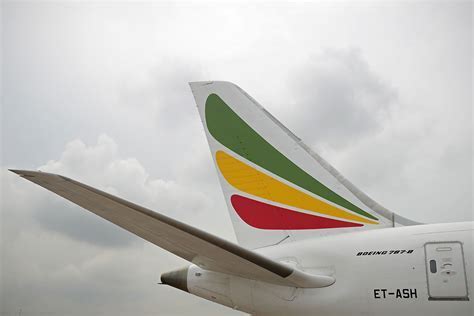
The strategic importance of Addis Ababa Bole International Airport (ADD) as Ethiopian Airlines’ hub cannot be overstated. It functions as a central nervous system for its operations, facilitating connections across its vast network. Passengers traveling between continents or within Africa frequently transit through ADD. The efficiency and passenger experience at this hub, therefore, play a significant role in the overall perception of Ethiopian Airlines. While the airline has received accolades in the past, such as the Travelers’ Choice 2018 Winner award, current passenger feedback, reflected in an overall Tripadvisor rating of 3.0 out of 5 stars based on over 7,000 reviews, suggests a more mixed reality.
The Onboard Experience: A Tale of Two Classes (and Varied Perceptions)
When flying Ethiopian Airlines, the onboard experience can differ significantly depending on the class of travel and, as many reviews suggest, the specific route and crew. Cloud Nine, the Business Class product, generally promises more spacious seating, lie-flat or near lie-flat beds on long-haul flights, premium meal services, and dedicated cabin crew attention. This premium offering is designed to compete with international business class standards and is often sought after by passengers seeking greater comfort on extensive journeys, such as those to North America, Europe, or Asia.
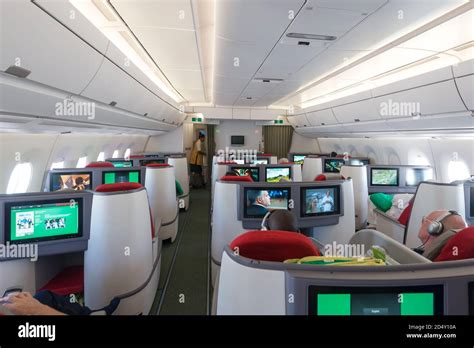
In Economy Class, passengers can typically expect standard seating, meal service appropriate for the flight duration, and access to in-flight entertainment systems on many of the long-haul aircraft. However, consistency appears to be a challenge. While some passengers report satisfactory experiences, citing good and hot food and a generally positive experience, others highlight significant shortcomings. The Tripadvisor ratings for specific aspects of the onboard experience paint a nuanced picture: Legroom and Seat comfort receive mixed feedback, often varying by aircraft type. In-flight entertainment (WiFi, TV, movies) is another area where experiences diverge. One particularly striking review concerning a flight from Chicago to Johannesburg lamented the complete absence of inflight entertainment in Economy Class on a 6-hour leg of an international journey, a significant drawback for modern air travel expectations. This inconsistency suggests that while some aircraft in the fleet are well-equipped, others may fall short of passenger expectations for long-duration flights.
Food and beverage service on Ethiopian Airlines also elicits a spectrum of opinions. While some find the meals, often featuring Ethiopian and international options including the popular chicken dishes, to be satisfactory, others have reported issues. One review mentioned that special meals ordered in advance were not provided, a critical service failure for passengers with dietary restrictions or preferences. The overall rating for Food and Beverage on Tripadvisor indicates that this is an area where improvements could enhance passenger satisfaction. Similarly, Cleanliness and the general Onboard Experience receive varied scores, suggesting that while some flights meet expectations, others may not maintain the desired standards.
Decoding Passenger Reviews: A Deep Dive into Customer Feedback
The voice of the customer, as captured in thousands of reviews, provides invaluable insight into the operational realities of Ethiopian Airlines. With a 3.0 average rating from 7,023 reviews on Tripadvisor, the airline’s performance is clearly a mixed bag. While 1,388 reviews rate the airline as ‘Excellent’ and 1,962 as ‘Good’, a significant number categorize their experience as ‘Average’ (1,207), ‘Poor’ (656), or ‘Terrible’ (1,810). This distribution underscores a lack of consistency in service delivery that plagues many travelers’ journeys.
Prevailing Issues: Customer Service and Operational Disruptions
A recurring theme across numerous negative reviews is the profound dissatisfaction with customer service. Passengers frequently report encounters with staff—both at airports like Addis Ababa and onboard—who are perceived as unhelpful, unprofessional, and, in some distressing accounts, disrespectful. One review detailed an experience where passengers were allegedly yelled at, while another described gate staff snatching boarding passes without any communication. The sentiment of being met with rude and unhelpful customer service, especially when issues arise, is a significant concern. For instance, a traveler flying from Vienna to Tel Aviv reported a lost duty-free bag and received “zero help” from customer service, who “offered no solutions, no follow-up, and acted like it wasn’t their problem.” This lack of accountability and support in resolving passenger grievances is a critical area for improvement.
Flight delays and disruptions are another major pain point. While mechanical issues or weather are understandable causes for delays, several reviews attribute delays directly to the airline’s “incompetence and untimeliness.” One extensive account of a trip from Chicago to Johannesburg detailed how their first flight was delayed without any announcements or updates from gate staff. This initial delay led to a missed connection in Addis Ababa. The passengers described being given new boarding passes for a flight six hours later with no explanation. Their subsequent connecting flight was also delayed, again with no proactive communication from the airline. Such experiences not only cause immense stress and inconvenience but also erode trust in the airline’s operational reliability. The ripple effects of these delays can be substantial, as highlighted by the same passengers who, upon finally reaching Johannesburg late at night, found the airport closing down and subsequently missed their final connection to Durban, ultimately losing their rental car reservation and significantly altering their entire trip plans.

Handling of Irregular Operations: A Critical Test Failed by Many Accounts
The true test of an airline’s customer commitment often comes during irregular operations, such as missed connections or extended delays. Unfortunately, many reviews suggest that Ethiopian Airlines struggles in this regard. In the Chicago-Johannesburg incident, after missing their connection due to the airline’s delay and facing an overnight wait for a rescheduled flight, the passengers were reportedly told to “go find a bench,” with no offer of hotel accommodation despite the disruption being the airline’s fault. This lack of care and support during stressful situations is a recurring complaint. Another passenger, traveling from Dar es Salaam to Manchester, reported being “stuck for another day” due to flight cancellations and unnecessary route changes, highlighting the severe impact of such operational failures on travelers’ schedules and well-being. The frustration is compounded when attempts to seek redress through customer service channels are met with silence, as one reviewer noted, “I reached out to their so called ‘Customer Service’ email cause god forbid they have a phone line and they could not even be bothered to respond.”
Baggage handling also appears to be a concern, with one review explicitly stating the airline might “end up losing your luggage or at best breaking stuff inside it.” This, coupled with reports of difficulties in getting assistance for lost items, adds another layer of anxiety for passengers. The lack of clear communication during delays, such as not updating gate signage or making timely announcements, further exacerbates passenger frustration, leaving them feeling uninformed and disregarded. Popular mentions in reviews frequently include destinations like Cape Town, Victoria Falls, New Delhi, Harare, Seychelles, and Lagos, indicating the wide range of routes where these issues can manifest. The experience of business class passengers is also mentioned, though detailed positive accounts are less prominent in the provided reference material than the critiques of general service failures that would affect all passengers.
The Addis Ababa Bole International Airport (ADD) Transit Experience
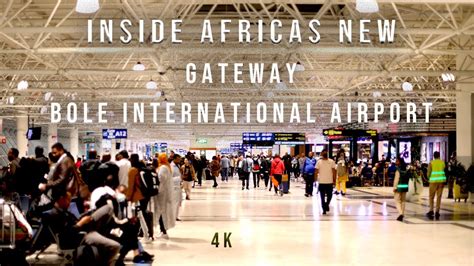
Given that Addis Ababa Bole International Airport (ADD) is the central hub for Ethiopian Airlines, the transit experience there is a critical component of many passengers’ journeys. Reviews often mention Addis airport in the context of connections, and experiences can vary. For some, the transit process may be relatively smooth, especially if connection times are adequate and flights are on schedule. However, when disruptions occur, navigating ADD and seeking assistance from Ethiopian Airlines staff can become challenging, as illustrated by several passenger accounts. The sheer volume of passengers transiting through ADD, particularly during peak times, can lead to crowding and long queues. While the airport has undergone expansion and upgrades, the passenger experience during transit, especially when facing delays or re-booking, seems to be an area where Ethiopian Airlines and airport authorities could focus on improvements. Clear signage, readily available and helpful airline staff, and efficient processes for managing disrupted passengers are crucial for a positive stopover experience. The current feedback suggests that for many, transiting through the building at ADD during irregular operations is a stressful ordeal rather than a seamless part of their journey with EA (Ethiopian Airlines).
Value for Money: Weighing Cost Against Experience
Ethiopian Airlines often positions itself as a competitive option, particularly for travel to and within Africa. The value for money proposition, however, becomes subjective when factoring in the potential for service inconsistencies and operational disruptions. While the initial ticket price might be attractive, the hidden costs of delays, missed connections, and the frustration of dealing with poor customer service can diminish the perceived value. For travelers on a tight budget who prioritize reaching their destination over a consistently smooth experience, Ethiopian Airlines might still be a viable option, especially given its extensive network covering destinations like JNB (Johannesburg) and numerous other African cities. However, for those who place a higher premium on reliability, comfort, and responsive customer care, the gamble of an unpredictable experience might outweigh the potential cost savings. The Tripadvisor rating for Value for money reflects this ambivalence, indicating that passengers have varied opinions on whether the cost justifies the service received.
Ethiopian Airlines: Strengths and Crucial Areas for Improvement
Despite the significant criticisms highlighted in passenger reviews, Ethiopian Airlines possesses notable strengths that contribute to its prominent position in African aviation.
Key Strengths:
- Extensive Network: Unparalleled connectivity across Africa, along with significant routes to other continents.
- Star Alliance Membership: Offers passengers benefits like mileage accrual and redemption across a global network of airlines.
- Strategic Hub Location: Addis Ababa is geographically well-positioned to connect Africa with the Middle East, Asia, Europe, and the Americas.
- Modernizing Fleet: Ongoing efforts to update its aircraft contribute to improved fuel efficiency and, potentially, passenger comfort on newer planes.
However, to elevate its service standards and improve passenger satisfaction, Ethiopian Airlines must address several critical areas for improvement:
Areas for Urgent Improvement:
- Customer Service: A fundamental overhaul is needed in training staff to be more empathetic, professional, and effective in problem resolution, both on the ground and in the air.
- Communication: Proactive, clear, and timely communication with passengers, especially during delays, cancellations, and other disruptions, is essential.
- Operational Reliability and Punctuality: Reducing delays attributed to airline controllable factors and improving on-time performance.
- Handling of Disruptions: Implementing better procedures for assisting passengers during irregular operations, including providing accommodation and meals when warranted.
- Baggage Handling: Minimizing instances of lost, delayed, or damaged baggage and improving the claims process.
- Consistency of Onboard Product: Ensuring a more uniform standard of in-flight entertainment, cleanliness, and service across its fleet and routes.
- Complaint Resolution: Establishing a more responsive and effective system for addressing passenger complaints and providing fair compensation when appropriate.
Conclusion: A Vital African Carrier with a Path to Excellence
Ethiopian Airlines undeniably plays a vital role in connecting Ethiopia and the wider African continent to the rest of the world. Its expansive network and Star Alliance membership are significant assets. However, the journey to becoming a consistently world-class airline requires more than just routes and partnerships; it demands an unwavering commitment to passenger experience. The multitude of reviews highlighting issues with customer service, operational reliability, and communication paints a picture of an airline that, while ambitious and far-reaching, often falls short of passenger expectations. Addressing these shortcomings head-on, particularly in how it manages disruptions and interacts with its customers, will be crucial for Ethiopian Airlines to not only maintain its market position but also to transform its reputation into one synonymous with excellence and reliability in air travel. For passengers, flying Ethiopian Airlines can be a gateway to many destinations, but it currently comes with a degree of unpredictability that warrants careful consideration. The potential for a good experience exists, as some reviews attest, but the prevalence of significant challenges suggests that travelers should be prepared for a range of possibilities when choosing to fly with Africa’s largest airline.