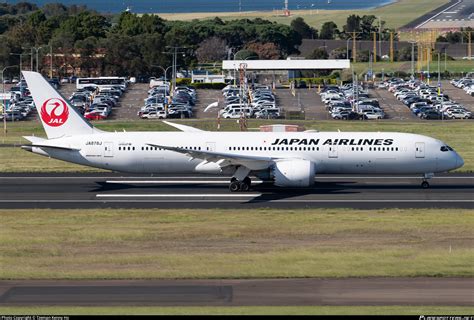
Japan Airlines (JAL), the esteemed flag carrier of Japan, has long been synonymous with meticulous service and a commitment to quality. As the country’s largest airline, operating from its primary hubs at Tokyo’s Haneda Airport (HND) and Narita International Airport (NRT), JAL connects Japan with approximately 60 domestic destinations and over 30 international cities across Asia, Europe, Oceania, North America, and South America. A prominent member of the oneworld alliance and maintaining codeshare agreements with around 30 other airlines, JAL’s global reach is extensive. The airline’s reputation, built over decades, often evokes images of serene cabins, polite flight attendants, and an overall seamless travel experience. However, a closer examination of recent passenger feedback, drawing from over 9,657 reviews, reveals a more complex picture—one that blends moments of genuine excellence with significant areas of concern that potential travelers should consider.
JAL’s consistent recognition in the Travelers’ Choice Awards from 2017 through 2020 underscores a legacy of passenger satisfaction in various aspects, including legroom, seat comfort, in-flight entertainment, customer service, value, cleanliness, check-in procedures, and food and beverage offerings. The airline structures its service across several distinct classes: First Class, Executive Class (its equivalent of Business Class), Premium Economy Class, Class J (an Economy Class offering with larger seats), and standard Economy Class. These are deployed across a versatile fleet featuring two-cabin, three-cabin, and four-cabin configurations, designed to cater to diverse traveler needs and route demands. But does the promise of “Exceptional Japanese Hospitality” consistently translate into reality across all cabin classes and for all passengers? This deep dive explores the multifaceted JAL experience, from the intricacies of its cabin products to the nuances of its celebrated, and sometimes criticized, customer service.
The journey with Japan Airlines often begins with expectations set high by its esteemed reputation. The airline prides itself on embodying the spirit of Omotenashi – the uniquely Japanese approach to selfless, wholehearted hospitality. For many, this translates into an impeccably clean aircraft, punctual departures, and interactions with cabin crew that are both professional and courteous. However, the sheer volume of traveler experiences, meticulously documented and shared, paints a detailed mosaic where the highlights of JAL’s service shine brightly, yet shadows cast by inconsistency and serious allegations also demand attention. Understanding this duality is key to navigating what JAL truly offers in the contemporary aviation landscape.
Deconstructing the JAL Cabin Experience: From Economy to First Class
Japan Airlines offers a tiered cabin system, each promising a distinct level of comfort and service. The actual experience, however, can vary, influenced by aircraft type, route, and, as some reviews suggest, other less tangible factors. Understanding the nuances of each class is crucial for passengers looking to align their expectations with reality.
JAL Economy Class: A Step Above Standard?
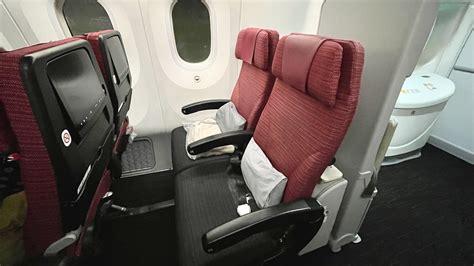
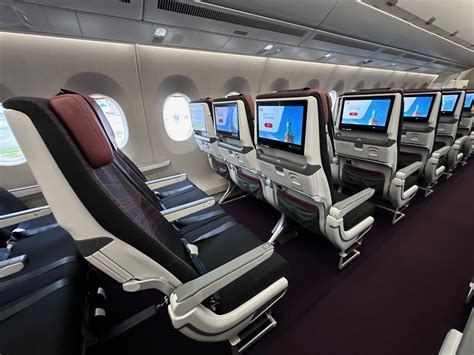
JAL’s Economy Class, including the slightly upgraded Class J on domestic routes (featuring wider seats), often receives commendation for its relatively generous legroom, a feature increasingly rare in standard economy cabins worldwide. Passengers frequently note that the seat pitch provides a more comfortable journey, particularly on long-haul flights. For instance, one traveler on a Sydney to Tokyo flight (A787-9, 10 hours) in April 2025 highlighted the “good spacing in their economy seating.” Another reviewer, after an April 2025 trip from Chicago to Tokyo and Osaka to Chicago, found both Premium Economy and regular Economy experiences to be “excellent,” with “plenty of room” and “wide enough seats” in Economy. Some Economy seats are even equipped with thoughtful touches like phone holders and USB-C charging ports, leading one May 2025 reviewer to, perhaps enthusiastically but inaccurately, label JAL the “best low cost carrier” while praising these amenities. The food and beverage service in JAL Economy often includes unique Japanese offerings, such as bento boxes, and popular treats like Haagen-Dazs ice cream for dessert—a delightful surprise noted by several passengers. The availability of Suntory, Kirin, and Asahi beer, along with sake and JAL-specific red and white wines, adds a distinctively Japanese touch. A particularly appreciated offering is the miso soup, served alongside green tea or coffee. However, seat comfort on extended journeys can still be “lacking,” as one passenger described it, aligning with typical economy class experiences despite the better legroom. The in-flight entertainment, while available, has been described by some as “below par” compared to carriers like Emirates or Qatar, though still deemed “okay.”
JAL Premium Economy Class: The Sweet Spot for Space and Comfort
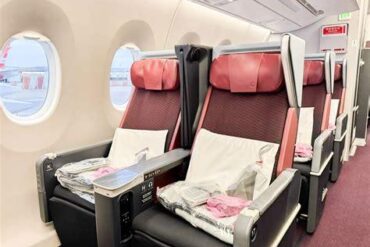
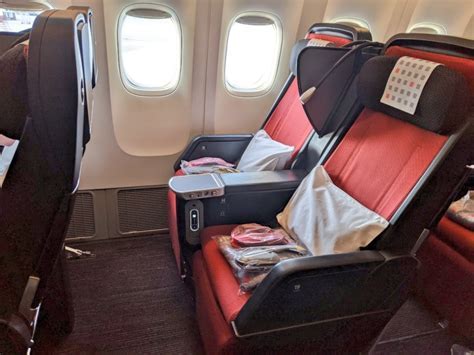
For travelers seeking a significant upgrade from Economy without committing to Business Class prices, JAL’s Premium Economy Class often hits the mark. The most lauded feature is the substantial increase in personal space. As a passenger flying from Chicago to Tokyo in April 2025 noted, seats in Premium Economy “didn’t recline back but instead forward/extend with the leg supporters,” creating “soooooo much room in the front of you, almost too much of unused space.” This design prioritizes maintaining the personal space of the passenger behind. Enhanced amenities in Premium Economy include premium Sony headphones for a better entertainment experience and the provision of slippers, adding a touch of comfort. The beverage selection is also elevated, with Shochu (a Japanese distilled beverage) being available, a distinction from regular Economy where it’s not offered even for purchase. The food quality is generally perceived as good, though one reviewer intriguingly found the catering from Japan to be better than from the USA, suggesting regional catering differences play a role. The overall sentiment is that JAL Premium Economy provides a genuinely enhanced travel experience, particularly beneficial on long-haul routes, making the journey significantly more restful.
JAL Business Class (Executive Class): Sky Suites and Service Scrutiny
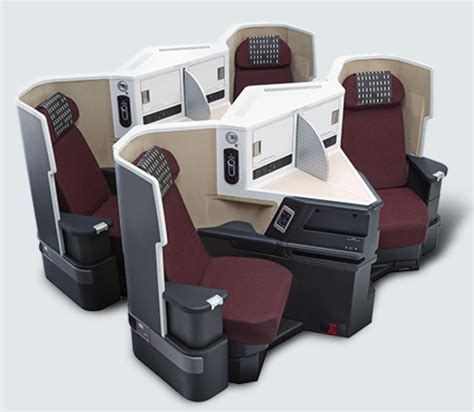
JAL’s Business Class, marketed as Executive Class, features various seat types, including the well-known Sky Suite. The Sky Suite III, found on aircraft like the Boeing 787-9, offers direct aisle access for all passengers and converts into a fully flat bed. While generally appreciated for its privacy and comfort, some passengers have found it wanting. A traveler on a Hong Kong to Tokyo Haneda flight (JL 26, November 2024) in a 787-9 Business Class cabin found the Sky Suite III “a bit tight” for a 230 lbs passenger, though comfortable for someone around 170 lbs. The cabin itself was described as “clean and well-ventilated.”
However, other Business Class experiences, particularly on different routes or configurations, have drawn sharper criticism. A May 2025 review of a Tokyo to London flight highlighted several shortcomings: “very limited storage options for personal items,” an “undersized” blanket that “did not offer adequate warmth or comfort,” and the notable absence of pajamas, a standard offering on many international business class products. The power outlet was “poorly placed,” causing discomfort, and the Wi-Fi connection was “unreliable.” Another particularly scathing review from a passenger on a Tokyo to Doha flight in December 2024, originally booked with Qatar Airways, described the JAL Business Class experience as a “disappointment.” Concerns included being “served with plastic cups,” a seat “so narrow and uncomfortable” it felt like Economy, and having to make their own bed with the provided mattress without assistance. The breakfast fruit portion was deemed “such a small portion,” and requests for more were apparently unmet. This passenger emphatically stated, “I would not called this was Business class standard. Meals for very poor.” These accounts suggest a significant variability in JAL’s Business Class product and service delivery, falling short of the premium expectations associated with this cabin.
JAL First Class: The Apex of Japanese Hospitality
At the pinnacle of JAL’s offerings is its First Class cabin. While detailed recent reviews in the provided material are less specific about First Class, it is universally understood to represent the airline’s most luxurious and exclusive travel experience. Passengers in First Class can expect expansive private suites, bespoke dining options featuring high-end cuisine and premium beverages, and the most attentive, personalized service from dedicated cabin crew. This cabin is designed to embody the zenith of Exceptional Japanese Hospitality, offering an oasis of tranquility and refinement in the skies. The focus is on providing an unparalleled level of comfort, privacy, and sophisticated amenities, ensuring that every aspect of the journey is meticulously curated for an elite clientele.
The Onboard Experience: Entertainment, Connectivity, and Cuisine
Beyond the seat itself, the overall onboard experience on Japan Airlines is a composite of its in-flight entertainment, connectivity options, and, notably, its culinary offerings. JAL’s in-flight entertainment (IFE) system, while offering a selection of movies, TV shows, music, and games, has received mixed feedback. Some passengers, like the one flying Sydney to Tokyo in April 2025, found it “below par to some of the premier carriers” such as Emirates, Qatar, or even Qantas, though still “okay.” Others find the selection adequate for their needs. The provision of Sony headphones in Premium Economy enhances this experience, but the baseline offering in Economy might not satisfy all avid media consumers.
Wi-Fi connectivity is increasingly a passenger expectation. JAL does offer Wi-Fi on many of its aircraft, and on some routes, such as the Hong Kong to Tokyo Haneda Business Class flight, passengers can enjoy 1-hour free Wi-Fi access. However, consistency appears to be an issue. The May 2025 Business Class review from Tokyo to London cited an “unreliable” Wi-Fi connection that was “offline more often than it was available.” This inconsistency can be a significant drawback for business travelers or those wishing to stay connected during long flights.
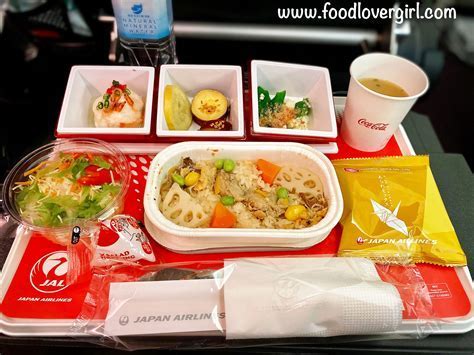
JAL’s in-flight cuisine is often a highlight, particularly its Japanese meal options. The iconic bento box, with its artfully arranged selection of seasonal delicacies, offers a taste of Japan at 30,000 feet. Many reviews praise the delicious food, especially meals catered ex-Japan, describing them as “flavorful and creative.” Popular mentions include sushi, rice crackers, and the delightful inclusion of Haagen-Dazs ice cream for dessert across multiple cabin classes. The beverage service, featuring Japanese beers like Suntory, Kirin, and Asahi, sake, and specially selected wines, is also well-regarded. The offering of miso soup as a hot beverage option is a unique and appreciated touch. However, not all culinary experiences are positive. The “Moslem Meal” provided to one passenger was described as “inedible” and “disgusting, low quality food.” Another passenger on a Tokyo-Sydney flight in May 2025 simply stated the “food horrible.” These starkly contrasting experiences suggest that while JAL can excel in its catering, special meal requests and consistency across all routes may be areas needing improvement.
Service Standards: The Duality of Japanese Hospitality on JAL
The cornerstone of Japan Airlines’ brand identity is its commitment to Omotenashi, the Japanese concept of intuitive and heartfelt hospitality. In many instances, passengers experience this firsthand. Flight attendants are frequently described as polite, professional, friendly, helpful, and efficient. One particularly glowing commendation from May 2025 highlighted Ms. Huynh Thi Huyen Tran, a JAL staff member at Ho Chi Minh City’s international terminal, for being “incredibly friendly, cheerful, and went out of her way to assist,” making the check-in process “smooth and efficient.” This reviewer felt Ms. Tran “really represents Japan Airlines well.” Such positive interactions, characterized by “excellent service” and “attention to detail,” contribute significantly to JAL’s favorable reputation and its multiple Travelers’ Choice Awards.
However, this image of unwavering service excellence is challenged by a significant number of reviews that recount experiences falling far short of this ideal. These negative accounts raise serious questions about the consistency and, in some alleged cases, the equity of JAL’s customer service.
Critical Perspectives: Addressing Serious Passenger Concerns
While many travelers laud Japan Airlines, a considerable undercurrent of criticism points to significant service failures and, most alarmingly, allegations of discriminatory treatment. One of the most impactful reviews, dated May 20, 2025, from a passenger flying Tokyo to London in June 2024, details an experience of what they term “cold, detached, service and borderline discriminatory.” The reviewer, identifying as a person of color and South Asian, states, “From the moment I boarded, I was treated like I didn’t exist. No check ins, no eye contact, no basic courtesy.” This was in stark contrast to the “beaming smiles, extra attention and pampered” service allegedly provided to white passengers nearby. A request for water resulted in a “tiny quarter cup,” and the pre-ordered Moslem Meal was “inedible.” The passenger reported being “brushed of with an ‘excuse’ policy” when asking for snacks or beverages and felt ignored by the crew even when visibly uncomfortable due to an open window blind. The reviewer asserts, “IF YOU SCROLL THROUGH REVIEWS OF JAPAN AIRLINES FLIGHT TO AND FROM THE INDIAN SUBCONTINENT, YOU SEE THIS PATTERN AGAIN AND AGAIN. Cold treatment. Minimal service. Second class behaviour towards south Asians and other people of colour, even through we are paying same price as everyone else.” This review culminates in a strong accusation: “This isn’t just 2nd class treatment I receive, it is systematic racism. Subtle but obvious to those who experience it.” The passenger further notes that such “subtle but sharp biases” are experienced by people of color “THROUHGOUT Japan,” where “warmth, politeness and attentiveness are often reserved – SELECTIVELY.”
This is not an isolated sentiment. Another review from May 2025 concerning a Tokyo to Bengaluru flight describes asking for water and being told to wait, while “for Japanese they are giving quick service, so inhuman.” The reviewer expressed disappointment, noting that “Japan is known for best customer service but it was disappointing in the flight.” These accounts, particularly the detailed allegations of racial bias, are deeply troubling and suggest a critical flaw in JAL’s service delivery that demands urgent attention from the airline. Such experiences directly contradict the airline’s proclaimed ethos of “Exceptional Japanese Hospitality” for all.
Beyond these severe allegations, other service inconsistencies persist. A passenger who had a fall at Haneda Airport before a Tokyo to Sydney flight in May 2025 reported that while staff initially checked on them, “once on the plane they never ever came near me at any time to see if I was comfortable,” despite knowing the passenger was in pain. This perceived lack of care contributed to an “uncomfortable trip.” Similarly, the Business Class passenger on the Tokyo-Doha route who had to ask again for a missed breakfast and received no help making the bed points to lapses in attentiveness even in premium cabins. These instances, ranging from neglect to alleged discrimination, tarnish JAL’s reputation and create a sense of unpredictability regarding the level of care one might receive.
The Airport Experience: Navigating JAL’s Hubs and Lounges
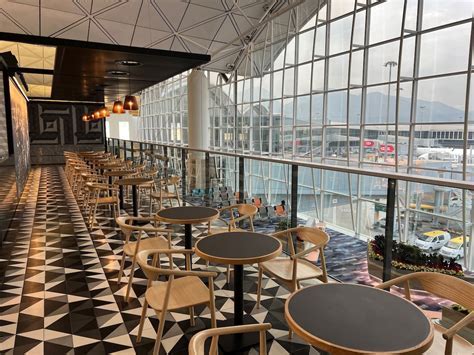
Japan Airlines’ primary operations are centered at Tokyo’s two major international airports: Narita International Airport (NRT) and Haneda Airport (HND). Both airports are known for their efficiency, cleanliness, and extensive facilities. JAL provides its own lounges for eligible passengers at these hubs, offering spaces to relax, work, or dine before departure. For Business Class passengers traveling from airports where JAL does not operate its own lounge, access is often provided to partner airline lounges through the oneworld alliance. An example is the Qantas Hong Kong Lounge at Hong Kong International Airport, accessible to JAL Business Class passengers. A November 2024 review described this lounge, hidden near the security checkpoint at Terminal 1, as “spacious with a number of different seating areas.” Its features include “huge and well equipped” shower rooms, “not bad” food quality compared to other lounges, and a unique highlight: “daily dimsum dishes pushed out in modernized dimsum carts.” The chic bar was noted as popular, and the coffee was “noticeably better than cocktails and wine.” Smooth check-in and boarding processes are generally expected with JAL, although individual experiences, like the positive staff interaction in Ho Chi Minh City, often depend on the specific airport and personnel.
JAL: Balancing Tradition with the Imperative for Change
Japan Airlines stands at a fascinating juncture. It is an airline steeped in a tradition of meticulousness and a globally recognized service culture, consistently awarded for aspects of its passenger experience. Strengths such as commendable Economy Class legroom, a genuinely enhanced Premium Economy product, and often delightful Japanese-centric catering continue to attract and satisfy many travelers. The airline’s membership in the oneworld alliance further enhances its appeal for global connectivity.
However, the chorus of critical voices, particularly those raising serious allegations of discriminatory service and the documented inconsistencies in Business Class offerings and general customer care, cannot be ignored. The detailed accounts of passengers feeling overlooked, devalued, or poorly treated based on their ethnicity or specific needs paint a stark contrast to the airline’s polished image. While individual staff members like Ms. Huynh Thi Huyen Tran demonstrate the best of JAL’s potential, systemic issues suggested by patterns of negative feedback require more than just isolated commendations to resolve. For Japan Airlines to truly embody “Exceptional Japanese Hospitality” for every passenger, it must rigorously address these concerns, ensuring that its high standards are applied consistently, equitably, and with genuine warmth to all who choose to fly with them. Potential passengers, in turn, must weigh the airline’s traditional strengths against these significant reported shortcomings when making their travel decisions.