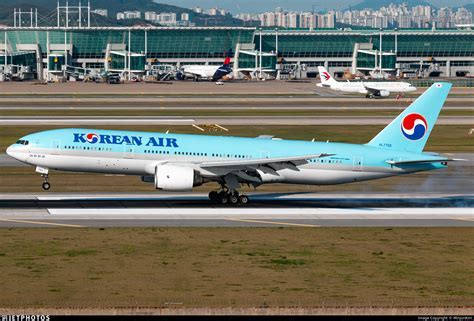
Korean Air, the flag carrier of South Korea, stands as a prominent name in the global aviation industry. With its primary hubs at Seoul’s Incheon International Airport (ICN) Terminal 2 and Gimpo International Airport (GMP), the airline has cultivated a reputation built on decades of service, connecting Korea to the world and the world to Korea. As the country’s largest airline, Korean Air’s distinctive taegeuk-marked livery is a familiar sight at airports across continents, symbolizing a blend of Korean heritage and modern aviation prowess. This article delves deep into the multifaceted aspects of flying with Korean Air, from its extensive network and onboard product offerings to a comprehensive analysis of passenger reviews, painting a detailed picture for prospective travelers and aviation enthusiasts alike.
Understanding the passenger experience is paramount, and with thousands of reviews available, a nuanced perspective emerges. Korean Air has consistently been recognized for its service, earning accolades such as the TripAdvisor Travelers’ Choice Award for multiple consecutive years (2017-2020). However, like any major airline, the spectrum of customer feedback is broad, encompassing glowing commendations and significant criticisms. This exploration aims to provide a balanced view, dissecting what Korean Air does well and where challenges lie, ultimately offering insights into what one can truly expect when choosing to fly with them.
At its core, Korean Air is more than just a mode of transport; it is an ambassador of Korean culture and hospitality. From the moment passengers interact with ground staff to their experience with the cabin crew and the in-flight offerings, there’s an opportunity for the airline to showcase its commitment to service excellence. The following sections will explore the airline’s operational backbone, the intricacies of its cabin classes, the celebrated and sometimes criticized aspects of its service, and how it navigates the competitive skies of international travel.
Korean Air: A Profile of Distinction and Global Reach
Founded in 1969 after acquiring the pre-existing Korean Air Lines, Korean Air has grown exponentially, becoming a founding member of the SkyTeam alliance, one of the world’s largest airline alliances. This membership significantly expands its global footprint, allowing for seamless travel to a vast array of destinations through partner airlines and codeshare agreements with approximately 35 other carriers. The airline operates an impressive network, flying non-stop to around 15 domestic destinations within South Korea and approximately 115 international destinations spanning Asia, Australia, Africa, Europe, North America, and South America. This extensive reach solidifies its position as a key player in international transit, particularly between Asia and the Americas.
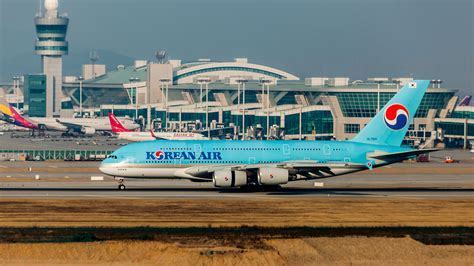
Korean Air’s fleet is a mix of modern Boeing and Airbus aircraft, configured to meet diverse passenger needs. Typically, aircraft feature either a two-cabin layout (Prestige Class – their Business Class equivalent – and Economy Class) or a three-cabin layout (First Class, Prestige Class, and Economy Class). The airline’s primary hub, Incheon International Airport (ICN) Terminal 2, is a state-of-the-art facility renowned for its efficiency and passenger amenities, offering a premium ground experience for Korean Air passengers, especially those in premium cabins or with elite SkyTeam status. The airline’s headquarters, the Korean Air Operations Center, is located in Seoul, underscoring its deep roots in the nation’s capital.
The Onboard Experience: Journeying with Korean Air Across Classes
Korean Air offers distinct cabin experiences tailored to different budgets and travel preferences, each promising a touch of Korean hospitality. The quality of seating, dining, and service varies significantly across its First, Prestige, and Economy classes, aiming to cater to a wide spectrum of travelers.
Economy Class: Comfort and Value
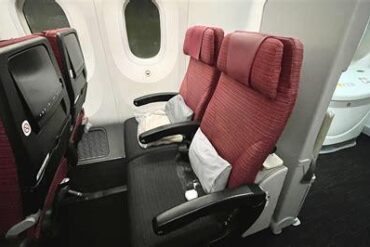
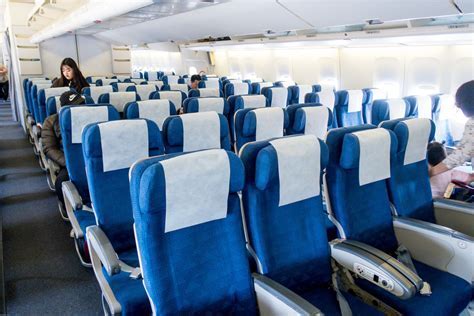
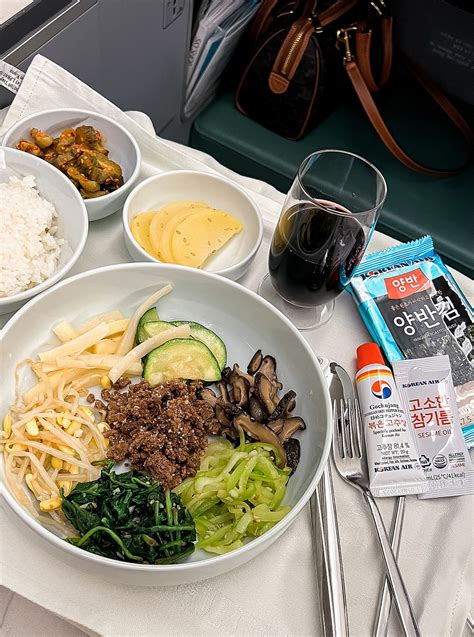
Korean Air’s Economy Class is generally regarded favorably, particularly on its long-haul fleet. Passengers can expect industry-standard seat pitch and width, though experiences can vary slightly depending on the aircraft type. Each seat is typically equipped with a personal in-flight entertainment (IFE) screen, offering a selection of movies, TV shows, music, and games. While WiFi availability is expanding across the fleet, it’s not yet universal and often comes at an additional cost. A notable highlight often mentioned in reviews is the food and beverage service, which includes a choice of Western and Korean meals. The bibimbap, a signature Korean mixed rice dish, is a particularly popular and frequently praised option, offering an authentic taste of Korea even at 30,000 feet. Standard amenities like pillows and blankets are provided, and on longer flights, passengers may receive a basic amenity kit including items like slippers and a toothbrush.
Prestige Class: Elevated Comfort and Service
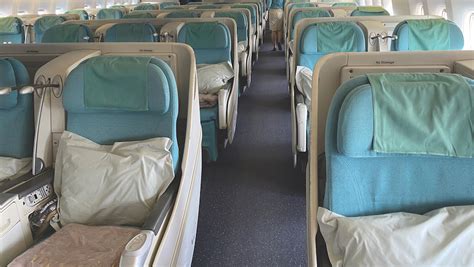
Prestige Class, Korean Air’s Business Class offering, represents a significant step up in comfort and service. On most long-haul aircraft, Prestige Class features lie-flat or fully flat seats, providing a comfortable environment for rest and sleep. These seats often come with direct aisle access, enhanced privacy, and ample storage space. The dining experience in Prestige Class is a highlight, with multi-course meals served on fine china, an extensive wine list, and premium beverage options. Passengers also benefit from larger IFE screens, noise-canceling headphones, and more comprehensive amenity kits featuring high-quality skincare products. Access to Korean Air’s Prestige Lounges at Incheon and other major airports provides a tranquil space to relax or work before departure, further enhancing the premium travel experience. The service from flight attendants in Prestige Class is generally more personalized and attentive.
First Class: The Pinnacle of Luxury
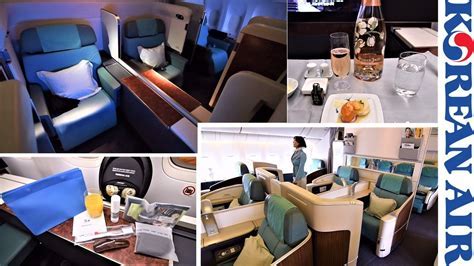
For those seeking the ultimate in airborne luxury, Korean Air’s First Class delivers an exclusive and highly personalized experience. Typically available on select long-haul routes and aircraft like the Boeing 777 and Airbus A380, First Class often features enclosed suites for maximum privacy. These suites come with spacious seating that converts into a fully flat bed, premium bedding, and a large personal IFE screen. The dining is akin to a fine-dining restaurant, with à la carte menus, gourmet cuisine prepared with high-quality ingredients, and a curated selection of top-tier wines and spirits. The service is exceptionally attentive, with a dedicated crew catering to every need. First Class passengers also enjoy priority check-in, boarding, and baggage handling, along with access to exclusive First Class lounges, ensuring a seamless and luxurious journey from start to finish.
In-Flight Entertainment and Culinary Delights
Across all classes, Korean Air provides a robust in-flight entertainment system featuring a wide variety of movies, including Hollywood blockbusters and Korean cinema, TV programs, music albums, and games. The system is regularly updated to ensure fresh content for frequent flyers. When it comes to catering, Korean Air places a strong emphasis on quality and choice. Beyond the famed bibimbap, passengers can typically choose from several meal options, including Western, Korean, and sometimes other Asian cuisines, depending on the route. Special meals catering to dietary restrictions are also available upon request. The provision of a bottle of water for each passenger, particularly on long flights, is a small but appreciated touch. The airline’s commitment to providing a satisfying culinary journey is a frequently noted positive in passenger feedback.
Dissecting Passenger Reviews: Voices from the Sky
With an overall rating of 4.0 out of 5 stars from over 5,500 reviews on TripAdvisor, Korean Air generally enjoys a positive reputation among travelers. The airline has been a consistent recipient of TripAdvisor’s Travelers’ Choice awards, indicating a high level of passenger satisfaction. However, a closer look at individual reviews reveals a more complex picture, with experiences varying significantly.
Praises Sung: What Korean Air Excels At
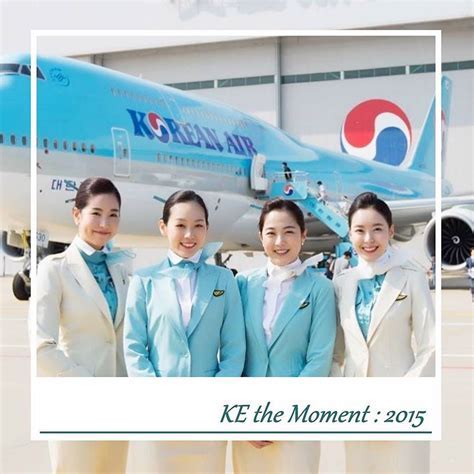
Many passengers laud Korean Air for its excellent service, often highlighting the professionalism, attentiveness, and grace of its cabin crew. For instance, reviewer Tor A described a flight from Dallas to Seoul as a “joy ride,” specifically praising stewardess YK Chung for going “above&beyond” and noting the quick, smiling response of the crew. This sentiment is echoed by others who appreciate the genuine service and inherent politeness often associated with Korean hospitality. The quality of food and beverages is another frequently commended aspect, with special mentions for the bibimbap, the variety of meal choices, and the overall taste. Passengers in Prestige Class often report exceptional experiences, citing the comfortable flat-bed seats, superior food service, and attentive crew. Cleanliness of the aircraft and the efficiency of check-in and boarding processes also receive positive marks. One particularly compelling account from reviewer “hans” detailed how Korean Air “took responsibility for sorting everything out with incredible customer service and communication” after a mishap with another airline involving lost bags, ultimately delivering the bags straight to their door and earning the title of “BEST AIRLINE” in that passenger’s eyes.
Areas of Concern: Criticisms and Passenger Frustrations
Despite the many positives, a significant number of reviews point to areas where Korean Air falls short. Inconsistent customer service is a recurring theme. While many experience excellent service, others report encounters that are far from satisfactory. Yekaterina S, a passenger flying from Seoul to Singapore in Economy Class, expressed disappointment when a flight attendant “abruptly and dismissively” denied her request for a suit jacket hanger without further inquiry, a service level she felt was below Korean Air’s usual standards and at odds with their in-flight announcements about crew dedication to passenger comfort.
A more severe criticism comes from Dan T, who described an experience with Korean Air as “A Case Study in Corporate Indifference and Customer Mistreatment.” This incident involved a passenger being denied boarding on a flight from Japan to South Korea due to a minor typo (confusing ‘O’ with ‘0’) on a government-required travel form. According to the review, Korean Air staff showed “no willingness to assist,” offered no alternatives, and provided only a partial refund, rigidly adhering to “policy” without demonstrating empathy or flexibility. This highlights a potential issue with bureaucratic rigidity and a lack of empowerment among front-line staff to resolve simple, fixable errors.
Furthermore, some passengers have reported rude or disrespectful behavior from crew members. Damian D, on a flight from Seoul to Chicago, stated that the stewardesses were “not only rude but also displayed racist attitudes that made me feel unwelcome and uncomfortable.” Such allegations, though representing a minority of reviews, are serious and point to a critical need for consistent training in customer interaction and cultural sensitivity. While Economy Class generally offers good value, limitations in space and amenities, as implied by Yekaterina S’s hanger request, are inherent to the class but can be exacerbated by unhelpful crew responses.
A Closer Look at Key Service Touchpoints
Customer Service: A Spectrum of Experiences
The stark contrast in customer service reviews – from “amazing” to “rude and dismissive” – suggests a significant inconsistency in service delivery. While many crew members embody the airline’s service ideals, the negative experiences indicate that this high standard is not universally met. Factors such as crew fatigue on long-haul flights, individual staff disposition, or perhaps gaps in training could contribute to these discrepancies. For an airline that prides itself on service, addressing this variability is crucial. The expectation of polite, helpful, and respectful interaction is fundamental, regardless of cabin class or passenger background.
Check-in, Boarding, and Ground Operations
Generally, Korean Air’s check-in and boarding processes are considered efficient, especially at its home hub at Incheon International Airport Terminal 2. The modern facilities at ICN contribute significantly to a smooth pre-flight experience. However, the experience at outstations can vary. The critical review by Dan T regarding the denied boarding incident in Japan underscores that ground staff interactions, particularly in challenging situations, can heavily influence a passenger’s overall perception of the airline. Effective problem-solving and clear communication by ground personnel are vital.
Baggage Handling and Reliability
While most airlines experience occasional issues with baggage, Korean Air generally appears to manage baggage effectively. The positive account from “hans,” where Korean Air proactively resolved a lost baggage issue caused by another airline, showcases a commendable level of responsibility and customer care in this area. This suggests that when issues do arise, the airline has systems in place that can lead to positive resolutions, though consistency remains key.
Perceived Value for Money
Value for money is subjective and often depends on the price paid, the cabin class, and individual expectations. For many, Korean Air offers good value, particularly when considering the quality of food, in-flight entertainment, and the general comfort in Economy Class on long-haul flights. Prestige Class is often seen as a worthwhile investment for the significant upgrade in comfort and service. However, when service failures occur, such as those highlighted in negative reviews, the perceived value can plummet, regardless of the ticket price. Passengers expect the service delivered to align with the airline’s reputation and marketing promises.
Navigating with Korean Air: Popular Routes and Unique Traits
Korean Air serves a multitude of popular long-haul routes, connecting Asia with major cities in North America (e.g., Los Angeles, New York, Dallas, Chicago, Vancouver, Toronto) and Europe (e.g., London, Paris, Frankfurt). These routes are critical for both business and leisure travelers and often feature the airline’s flagship aircraft and premium cabin products. Within South Korea, Korean Air also maintains a robust domestic network, with frequent flights to destinations like Jeju Island and Busan. One of the unique traits of Korean Air is its role as a cultural ambassador. The offering of authentic Korean cuisine, the design elements in its lounges and cabins, and the traditional Korean greeting style of its crew all contribute to a distinctly Korean travel experience, which many international passengers appreciate.
Korean Air in the Competitive Landscape
As South Korea’s premier airline, Korean Air’s primary domestic competitor is Asiana Airlines, another full-service carrier also highly regarded for its service. Passengers often compare the two, with preferences varying based on individual experiences, route availability, and loyalty program affiliations. Yekaterina S, for instance, mentioned sometimes preferring Korean Air over Asiana, indicating a closely matched rivalry. Globally, as a SkyTeam member, Korean Air competes with other major alliances like Star Alliance and Oneworld. Its partnership within SkyTeam allows for enhanced global connectivity and reciprocal benefits for frequent flyers, which is a significant competitive advantage.
Addressing Challenges and Striving for Consistency
The feedback from passengers, both positive and negative, provides valuable insights for Korean Air. Addressing the inconsistency in customer service is paramount. This likely requires ongoing and enhanced training programs for all passenger-facing staff, emphasizing empathy, problem-solving skills, and cultural sensitivity, especially in light of serious allegations like those made by Damian D. Empowering staff to handle minor issues flexibly, rather than rigidly adhering to policy in all situations, as highlighted by Dan T’s experience, could significantly improve passenger satisfaction and prevent minor problems from escalating into major grievances. Maintaining the high quality of its in-flight product, particularly its celebrated catering and the comfort of its premium cabins, will continue to be a key strength. For Korean Air, the journey towards consistently meeting and exceeding passenger expectations involves a continuous commitment to listening to feedback and refining its services.
The Final Take: Choosing to Fly with Korean Air
Flying with Korean Air offers a journey that is often characterized by comfort, quality catering (especially the renowned bibimbap), and a generally high standard of in-flight service, particularly in its premium cabins. The airline’s extensive global network, modern fleet, and membership in the SkyTeam alliance make it a compelling choice for international travel to and from South Korea, as well as for transit passengers. The positive experiences, such as “amazing customer service” in resolving complex issues and the attentive care from many flight attendants, showcase the airline’s potential for excellence.
However, prospective passengers should also be aware of the potential for inconsistencies in service, with some travelers reporting unhelpful, dismissive, or even rude encounters with staff. The airline’s handling of irregular operations or customer issues can, in some instances, feel overly bureaucratic and lacking in empathy. While the majority of experiences appear to be positive, the negative reviews serve as a reminder that no airline is perfect, and the level of service can vary.
Ultimately, Korean Air remains a strong contender in the global aviation market, offering a product that, at its best, is truly world-class. For travelers valuing a touch of Korean hospitality, excellent food, and a comfortable journey, especially in Prestige or First Class, Korean Air is often an excellent choice. For those flying Economy, managing expectations regarding service consistency and being prepared for standard economy comfort levels is advisable. As with any airline, weighing the pros and cons based on individual priorities and available alternatives will lead to the most informed decision.