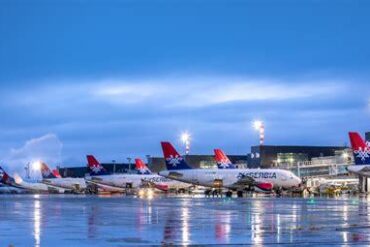
Air Serbia, the national flag carrier of Serbia, has emerged as a key player in the aviation industry of Southeast Europe. With its main hub at Belgrade Nikola Tesla Airport (BEG), Air Serbia has evolved significantly since its rebranding from Jat Airways in 2013. Backed by the government of Serbia and originally partnered with Etihad Airways, the airline has leveraged strategic investments, regional demand, and an increasingly sophisticated passenger experience to carve out a strong reputation. But what does flying Air Serbia really entail? From fleet specifics and cabin experience to punctuality, destinations, and traveler sentiment, this article delves deep into every aspect of Air Serbia’s operations and customer perception.
Air Serbia’s Strategic Evolution and Market Position
Air Serbia didn’t merely emerge; it was reborn. The transformation from Jat Airways to Air Serbia was not just a name change but a complete operational overhaul. The airline adopted a more competitive and contemporary strategy to become a regional leader. This included modernizing its fleet, expanding its route network, and elevating onboard service standards.
Serbia’s central position in the Balkans gives the carrier a strategic advantage, especially for travelers moving between Western Europe, the Middle East, and Eastern Europe. Leveraging this geographic placement, Air Serbia functions as both a point-to-point and a transfer airline, funneling traffic through its Belgrade hub.
Fleet Composition and Technological Capabilities
Air Serbia maintains a mixed fleet of Airbus and ATR aircraft, striking a balance between fuel-efficient short-haul turboprops and modern jets for longer routes. As of 2025, the fleet consists of:
- Airbus A319s and A320s for short- to medium-haul flights
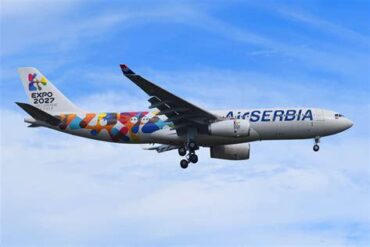
- Airbus A330-200 for long-haul operations, particularly the Belgrade–New York route
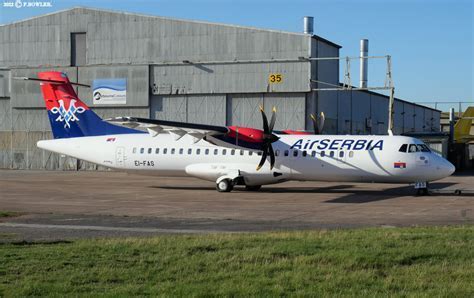
- ATR 72-600s for regional routes across the Balkans and Central Europe
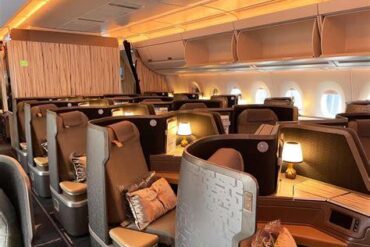
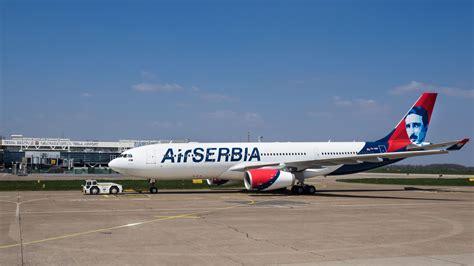
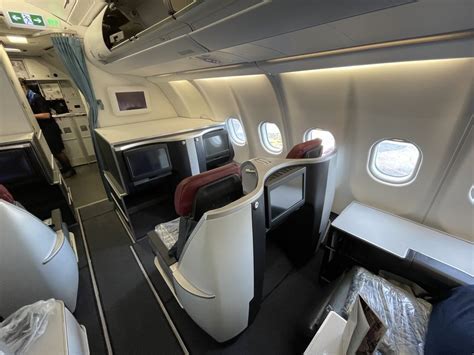
The flagship A330-200, named after Serbian-American inventor Nikola Tesla, underscores the airline’s pride and ambition in its transatlantic service. This wide-body aircraft features lie-flat business class seats, modern in-flight entertainment systems, and an overall cabin configuration geared for comfort on long-haul journeys.
Cabin Experience: Economy and Business Class Insights
The Economy Class experience aboard Air Serbia is competitive, offering ergonomic seating, complimentary meals on long-haul flights, and options for extra legroom. Passengers on short-haul flights can expect a buy-on-board model called “Elevate Deli & Bar,” with a decent selection of snacks and drinks.
Business Class passengers receive a more refined experience. On long-haul flights, the seats convert into fully flat beds, accompanied by high-end dining, premium Serbian wines, and amenity kits. The attention to detail, such as Serbian cuisine selections and local wines, reinforces the airline’s brand identity.
Route Network and International Reach
Air Serbia has steadily expanded its network to cover over 80 destinations across Europe, North America, the Middle East, and the Mediterranean. Noteworthy routes include:
- Belgrade to New York (JFK) – A flagship transatlantic service
- Belgrade to Istanbul, Moscow, and Tel Aviv – High-demand regional hubs
- Seasonal and charter flights to popular vacation spots such as Antalya, Hurghada, and Tivat
The airline’s codeshare agreements with partners like Air France, KLM, Turkish Airlines, and Qatar Airways further enhance its global connectivity. This allows passengers to book through Air Serbia while traveling beyond its direct network.
Punctuality, Reliability, and Operational Efficiency
Air Serbia has made significant strides in improving on-time performance (OTP) and overall reliability. Independent monitoring data from industry trackers consistently places the airline in the upper mid-tier of European carriers.
While delays do occur — particularly in congested summer months — Air Serbia has a decent recovery rate and a responsive customer service arm, especially for rebooking and compensation issues. Their social media team is particularly active in addressing real-time passenger concerns.
Passenger Reviews and Reputation
Customer reviews on platforms like Skytrax, TripAdvisor, and Google Flights are generally favorable, with particular praise for:
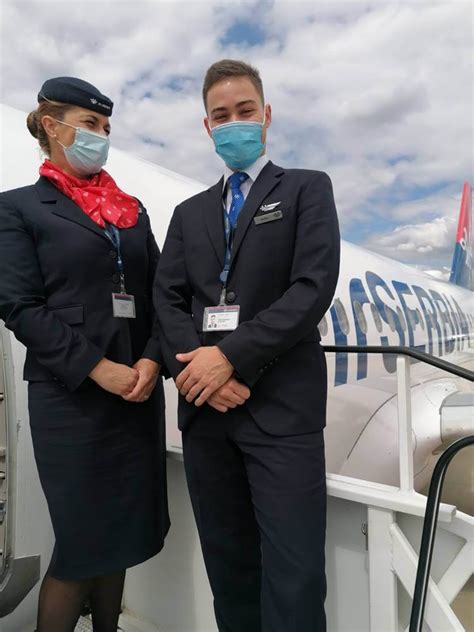
- Friendly and multilingual cabin crew
- Competitive pricing for regional flights
- Comfort of the A330 long-haul cabin
However, passengers often cite areas for improvement such as:
- Limited in-flight entertainment options on short-haul flights
- Occasional check-in delays at Belgrade airport
- Fee structures for extras like seat selection and luggage
Overall, Air Serbia maintains a 3.5 to 4.2 star average rating across major travel platforms, positioning it competitively against other mid-sized European airlines.
In-Flight Services and Unique Offerings
Air Serbia has introduced several initiatives to enhance the passenger experience. Their onboard catering emphasizes Serbian culinary traditions, with meals prepared by local chefs and ingredients sourced from regional suppliers. On long-haul flights, menus include dishes like ćevapi, kajmak, and ajvar — a nod to the airline’s cultural roots.
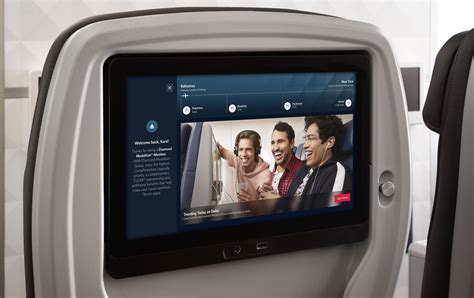
Another unique feature is the “Elevate Play” in-flight entertainment portal, accessible via personal devices. Though the system lacks built-in seatback screens on many aircraft, Elevate Play offers movies, TV shows, music, and destination guides through onboard Wi-Fi.
Baggage Policy and Ancillary Services
Air Serbia operates a hybrid model, blending full-service and low-cost carrier elements. While economy passengers on long-haul flights typically enjoy one checked bag for free, short-haul economy travelers must often pay extra for checked baggage, seat selection, and meals.
The airline offers tiered fare bundles:
- Economy White (bare fare)
- Economy Blue (includes hand baggage and check-in bag)
- Economy Red (fully flexible, with maximum inclusions)
Business class tickets are more inclusive, featuring lounge access, priority boarding, increased baggage allowance, and more generous change and cancellation policies.
Frequent Flyer Program: Etihad Guest Partnership
Air Serbia is a member of the Etihad Guest loyalty program, allowing passengers to earn and redeem miles not just on Air Serbia flights but across Etihad Airways and other partners. The program includes four tiers — Bronze, Silver, Gold, and Platinum — with increasing perks such as priority check-in, bonus miles, and access to premium lounges.
Although the Etihad equity stake has been reduced, the partnership continues to offer value to frequent flyers, especially those traveling frequently across Europe and the Middle East.
Sustainability and Corporate Responsibility
Air Serbia has recently taken steps toward greener operations, investing in more efficient aircraft and optimizing flight paths to reduce emissions. The ATR 72-600 turboprops, in particular, consume significantly less fuel than jets and are deployed on high-frequency regional routes.
Additionally, the airline participates in carbon offset initiatives, offers digital boarding passes to reduce paper waste, and has eliminated single-use plastics on several routes.
Competitive Landscape and Future Outlook
In a crowded European aviation market, Air Serbia continues to find ways to differentiate itself. It leverages Belgrade’s growing appeal as a cultural and business hub while targeting underserved routes across Central Asia, North Africa, and Western Europe.
Looking ahead, the airline has announced plans to expand its long-haul fleet with a second A330 aircraft and is eyeing additional routes to Canada and China. If successful, this would solidify its role as not just a regional leader but a true intercontinental carrier from the Balkans.
Final Verdict: Is Air Serbia Worth Flying?
Flying with Air Serbia offers a rich blend of affordability, cultural authenticity, and dependable service. The airline balances its national identity with modern aviation standards, creating a distinctive travel experience that appeals to both business and leisure travelers.
Passengers who value direct connectivity to the Balkans, seamless long-haul service from Belgrade to North America, and a touch of Serbian hospitality will likely find Air Serbia a compelling choice. While it may not match the luxury of top-tier Gulf carriers, its value proposition, evolving service model, and expanding global footprint make it one of the most promising mid-size airlines in Europe.
In a market saturated with cookie-cutter service and impersonal mega-carriers, Air Serbia stands out by offering something different: a sense of place at 35,000 feet.